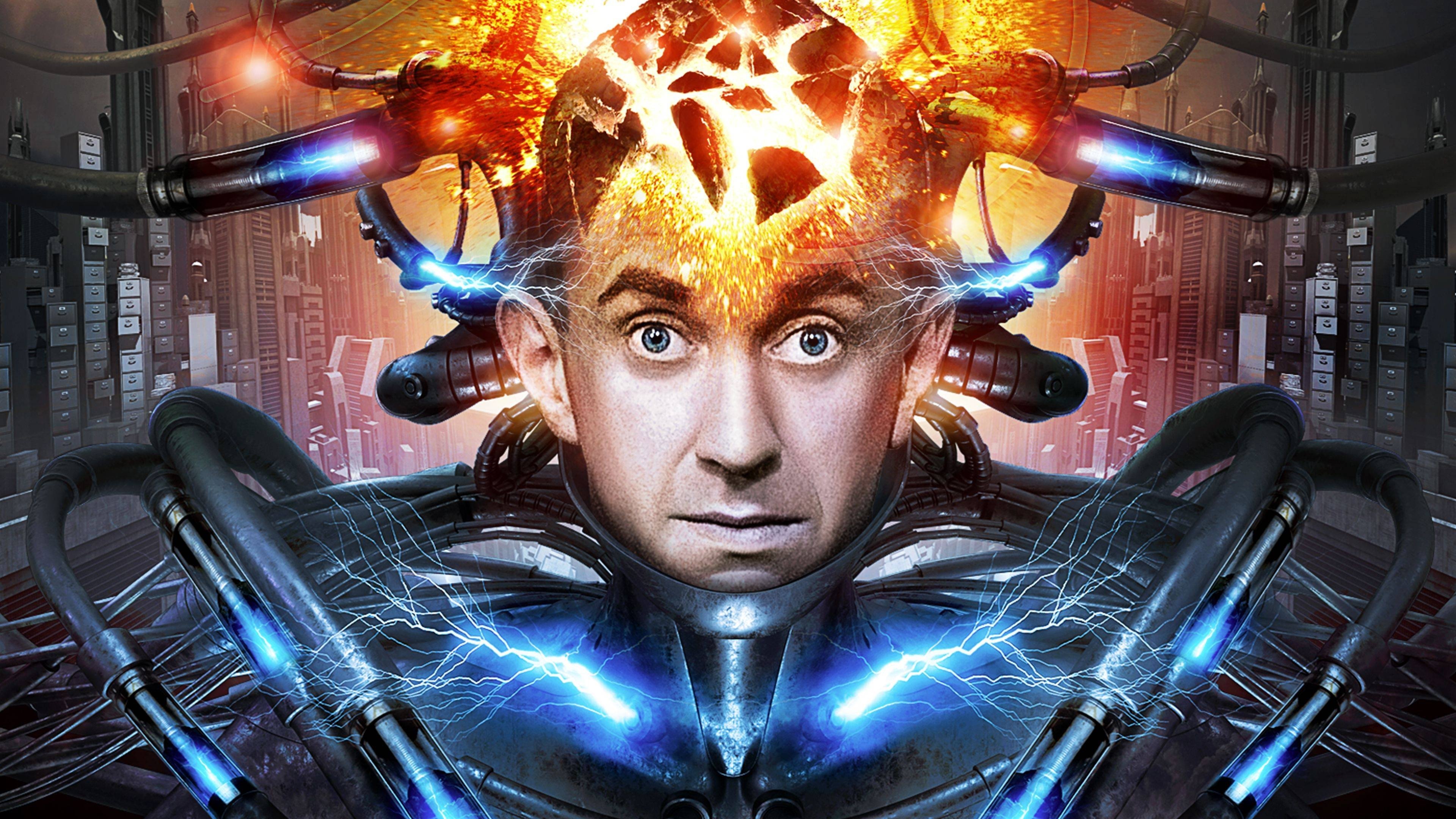
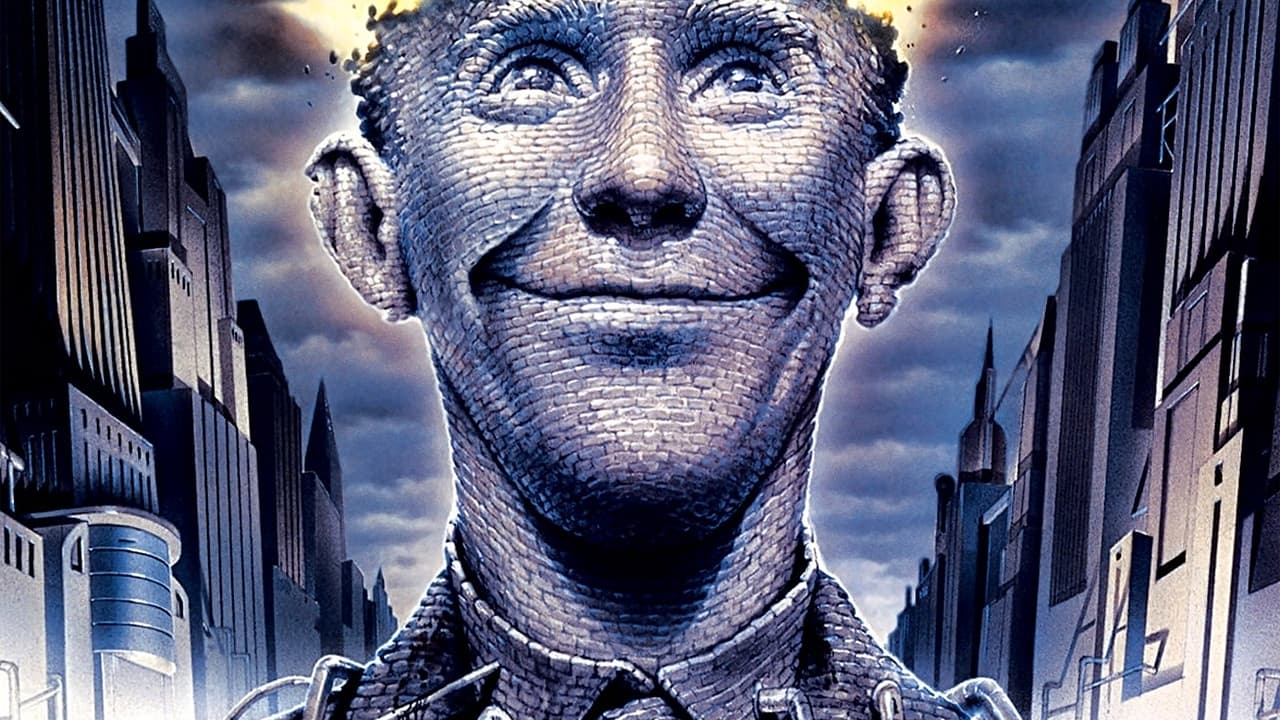
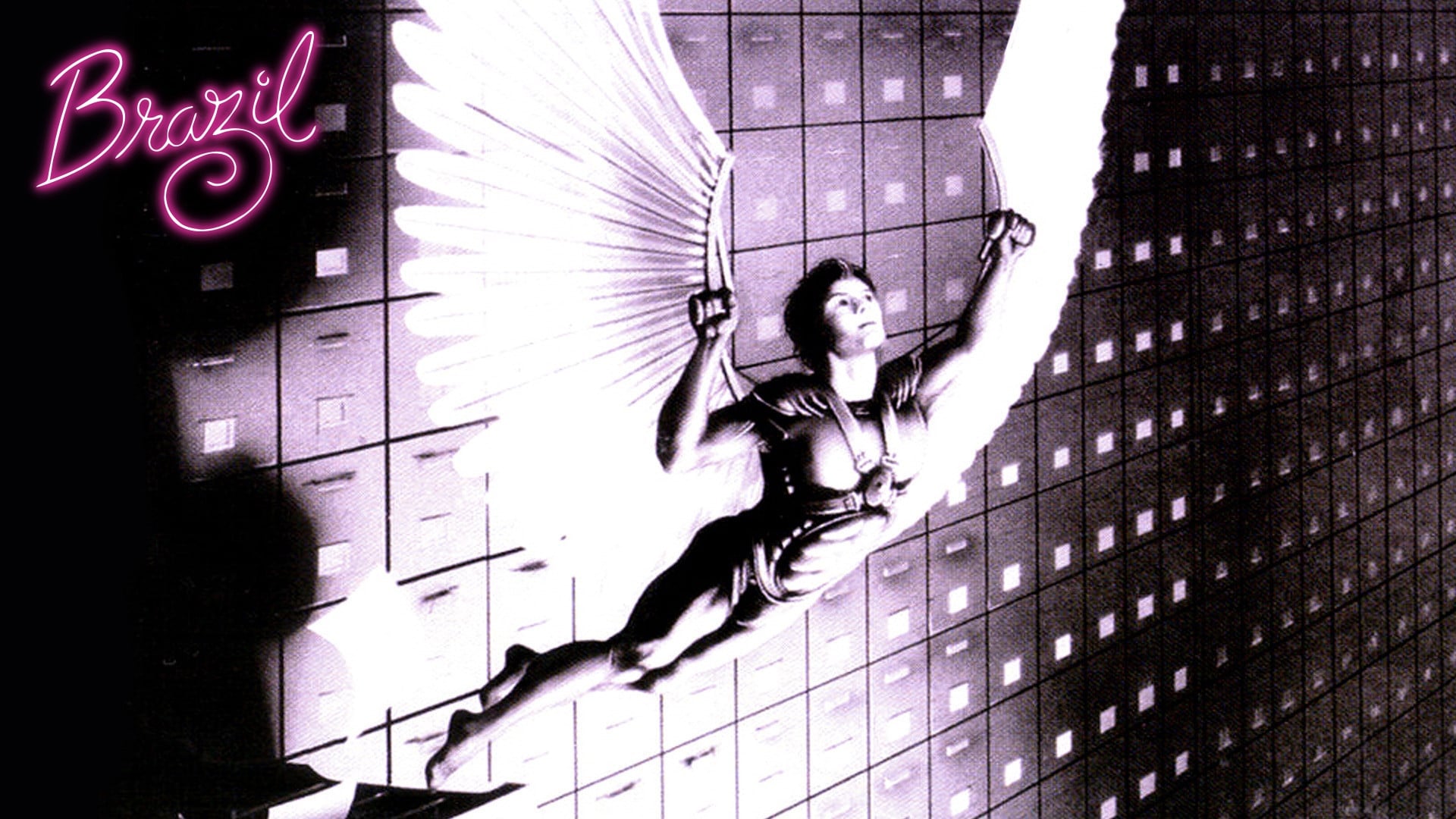
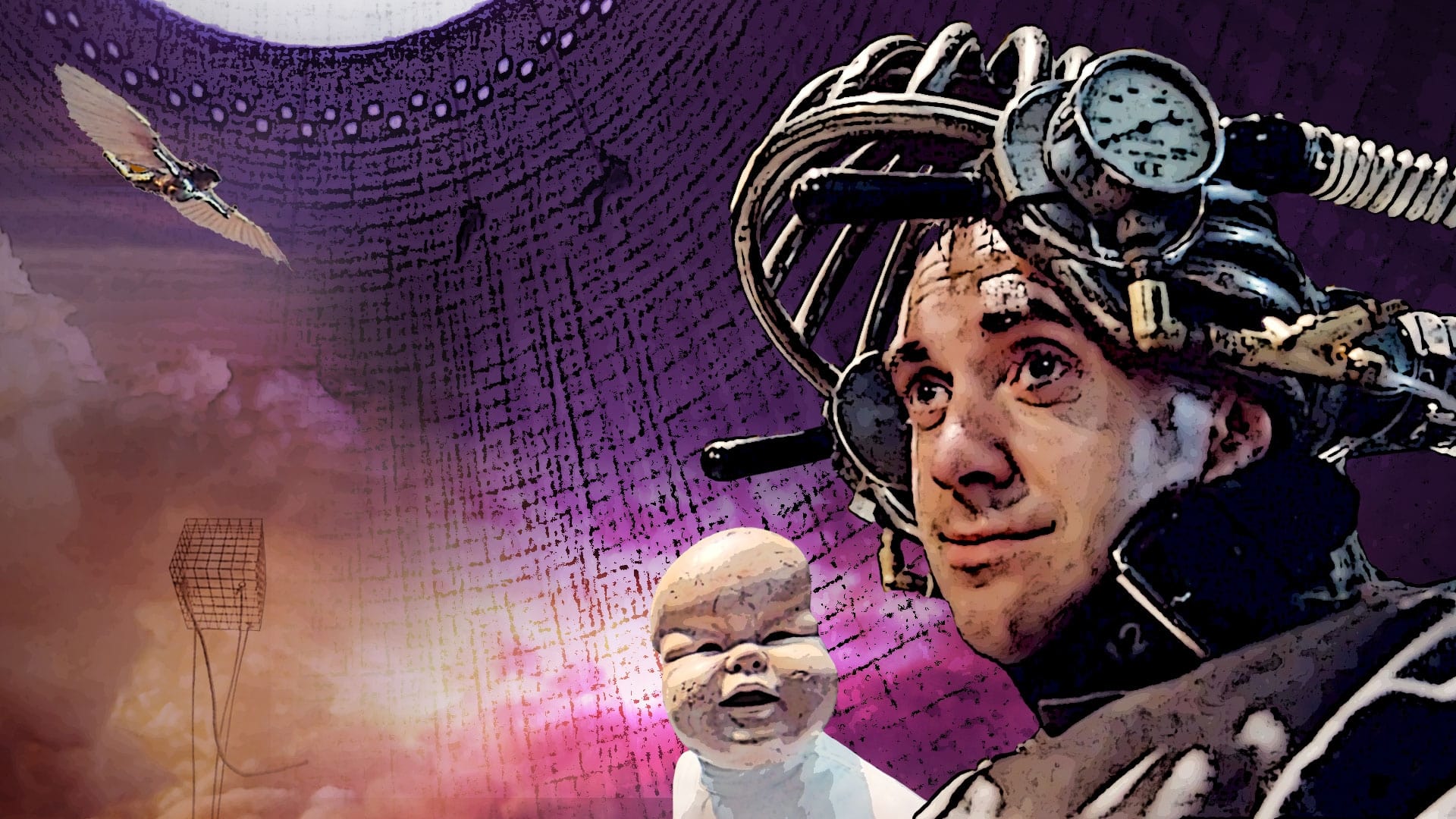
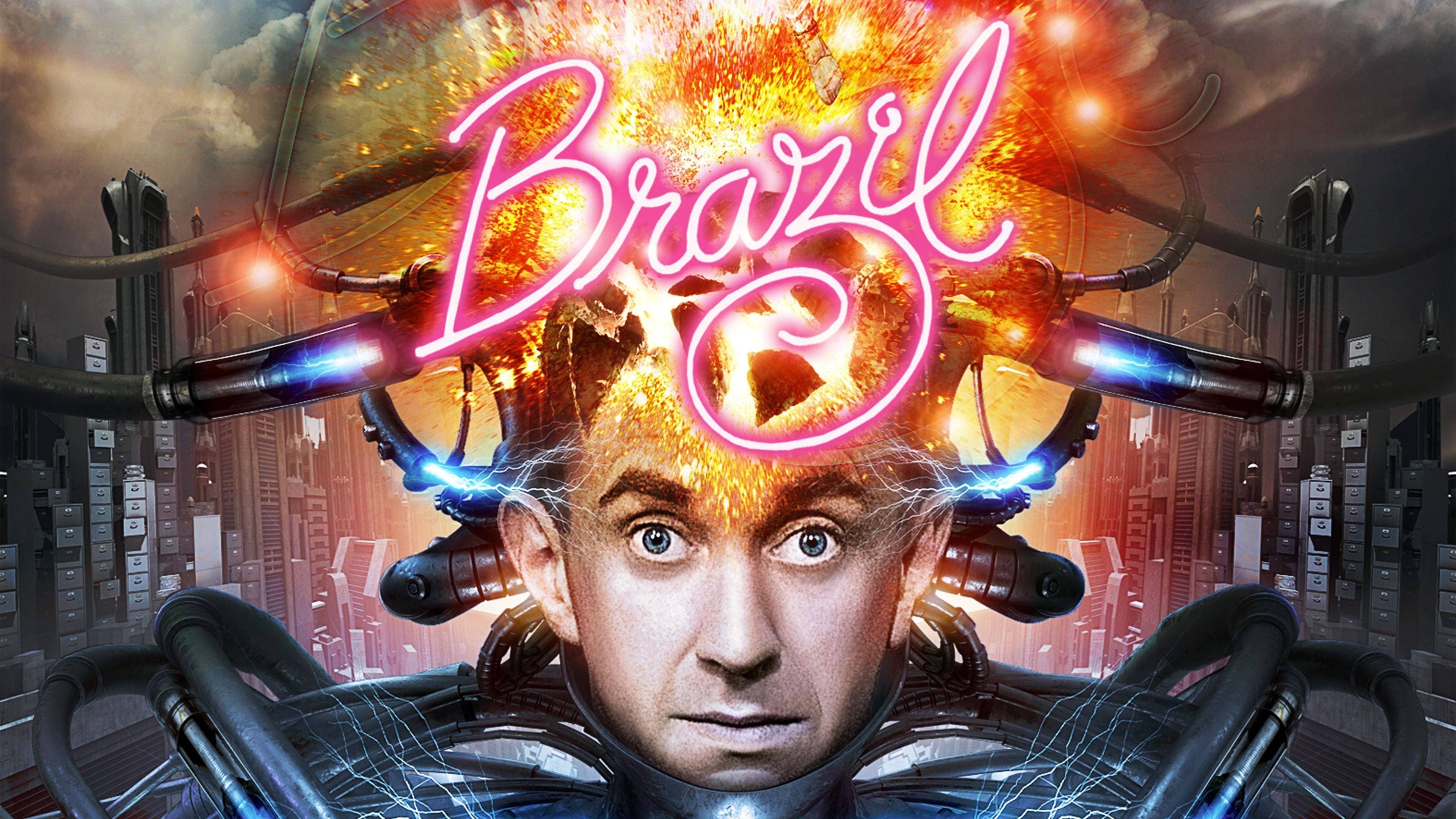
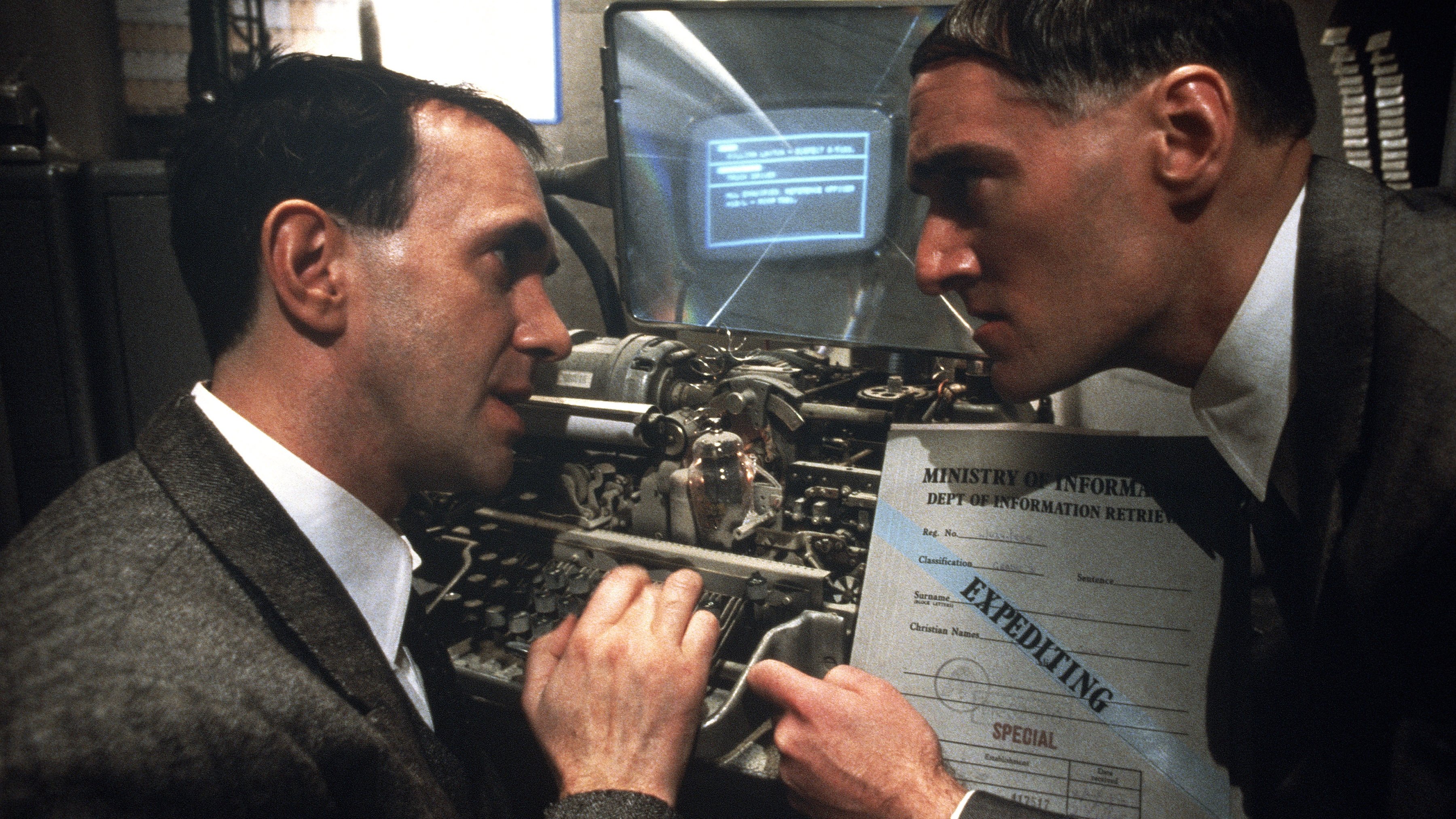
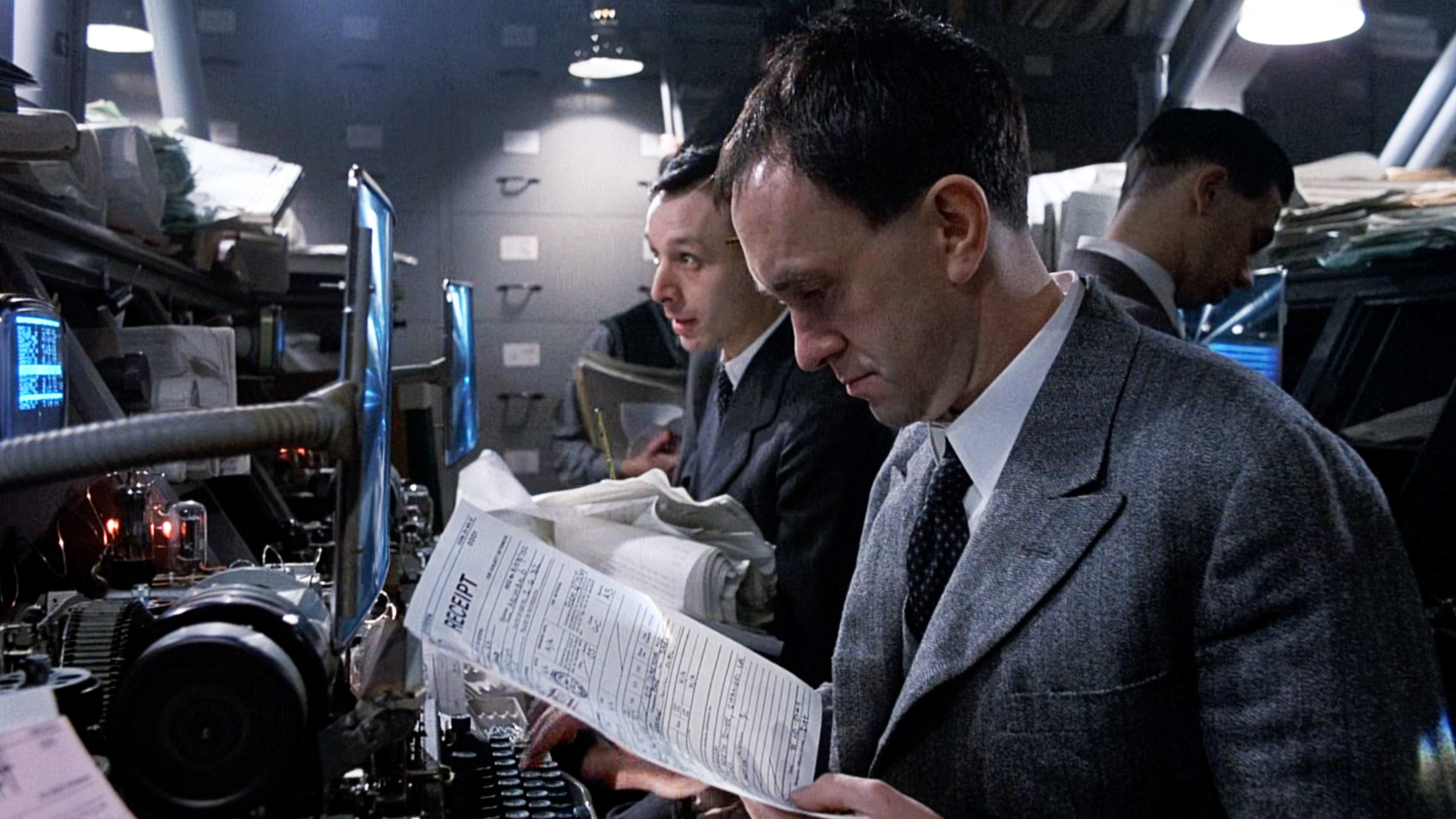
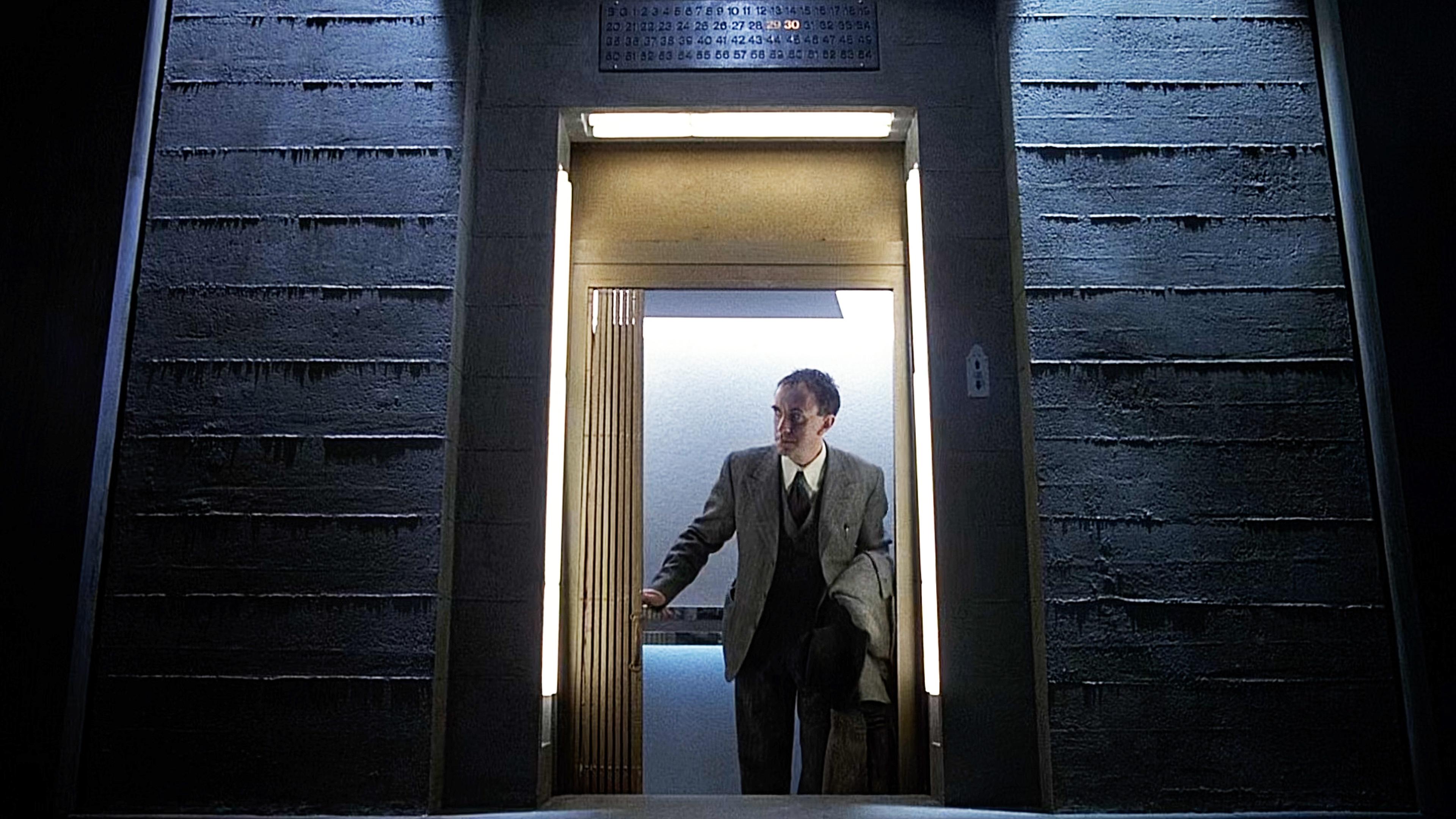
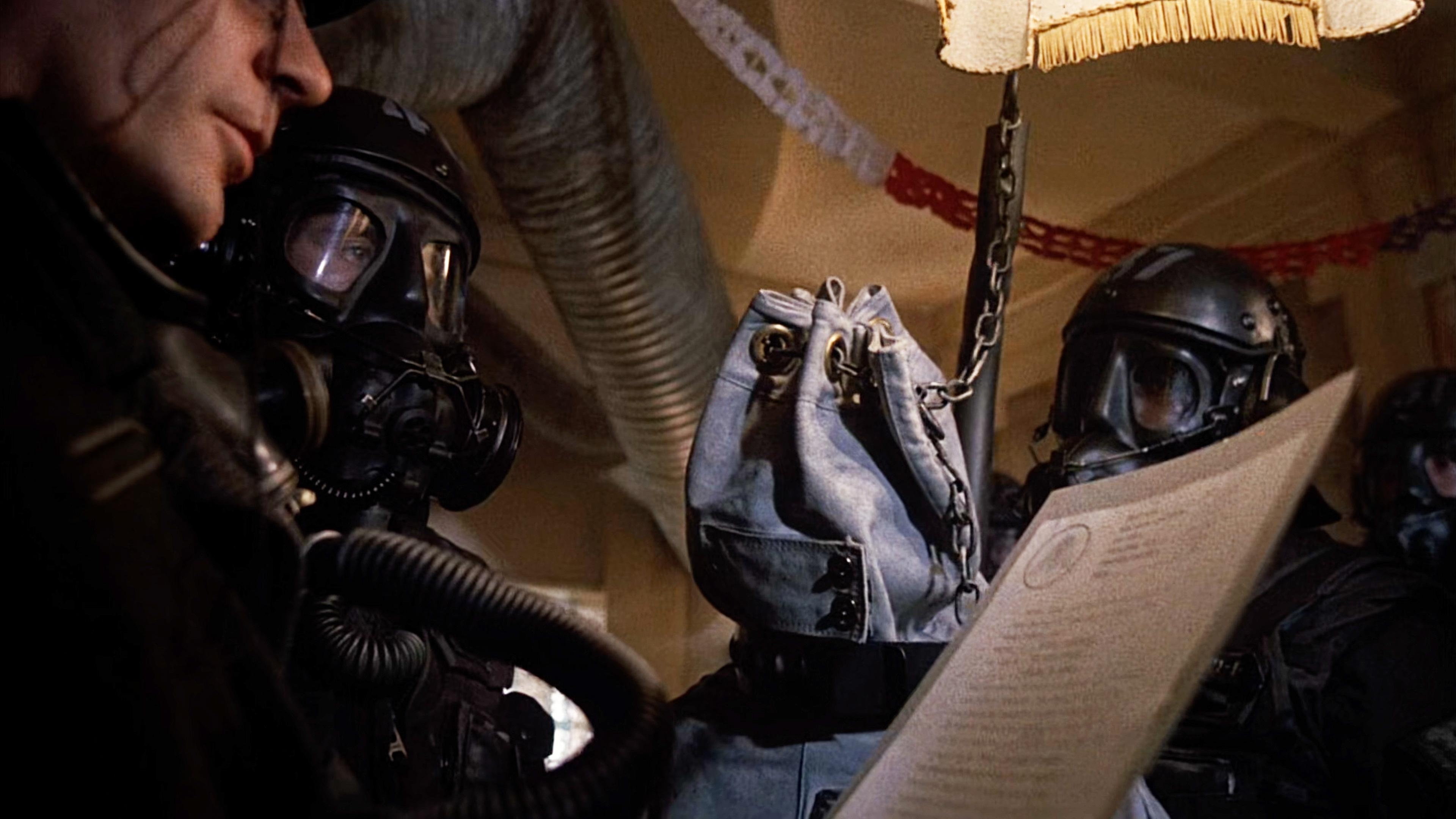
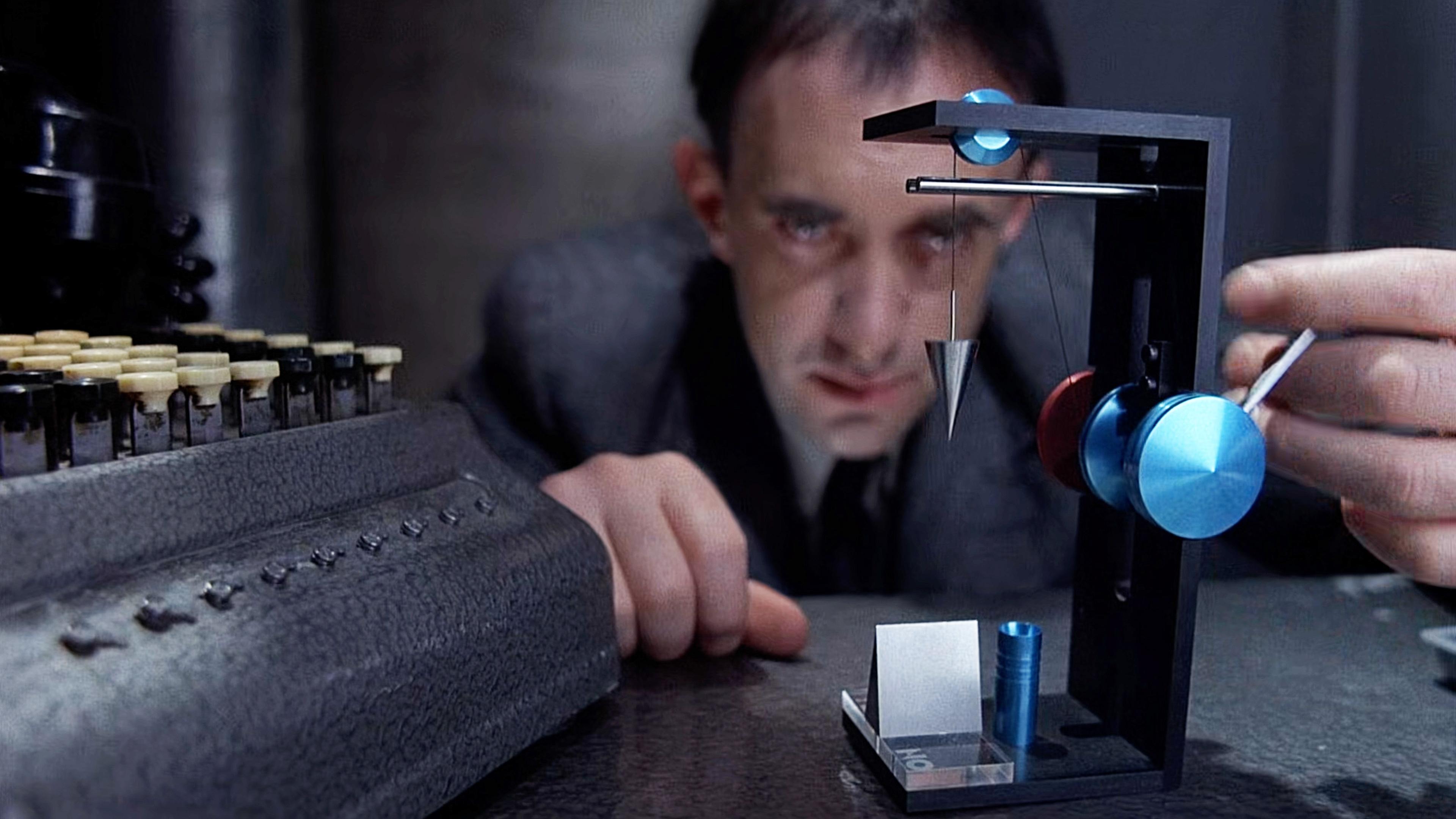
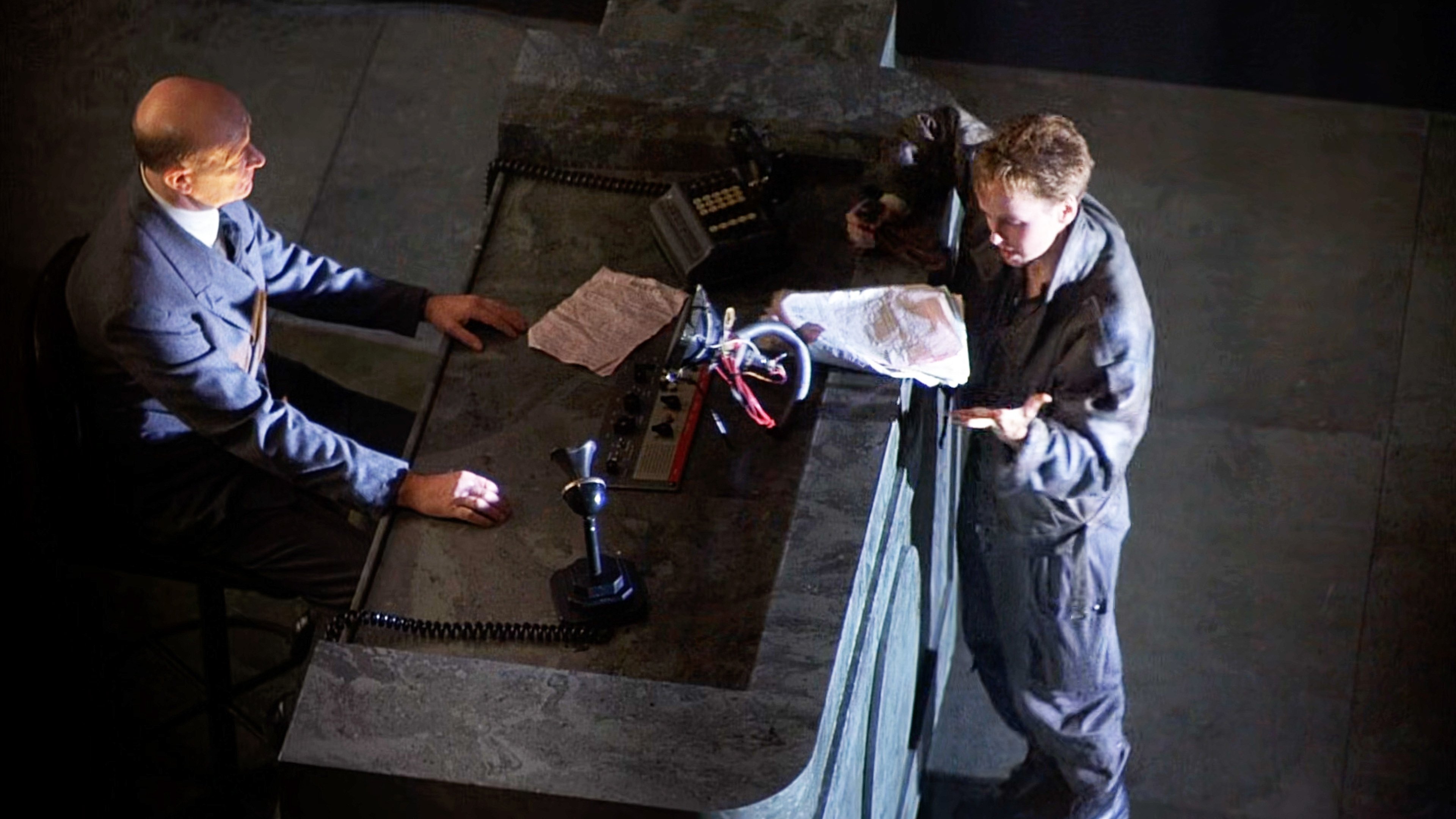
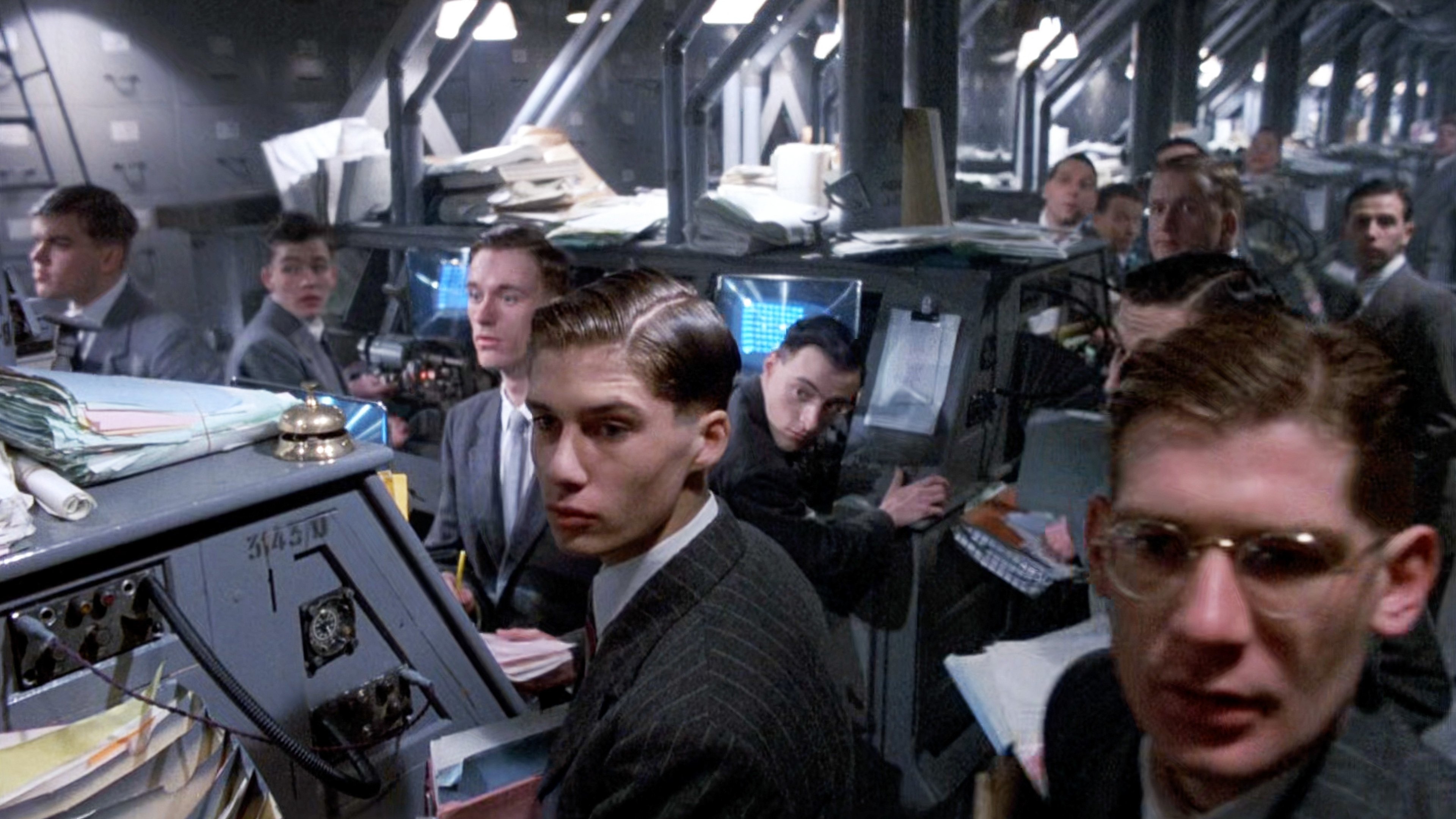
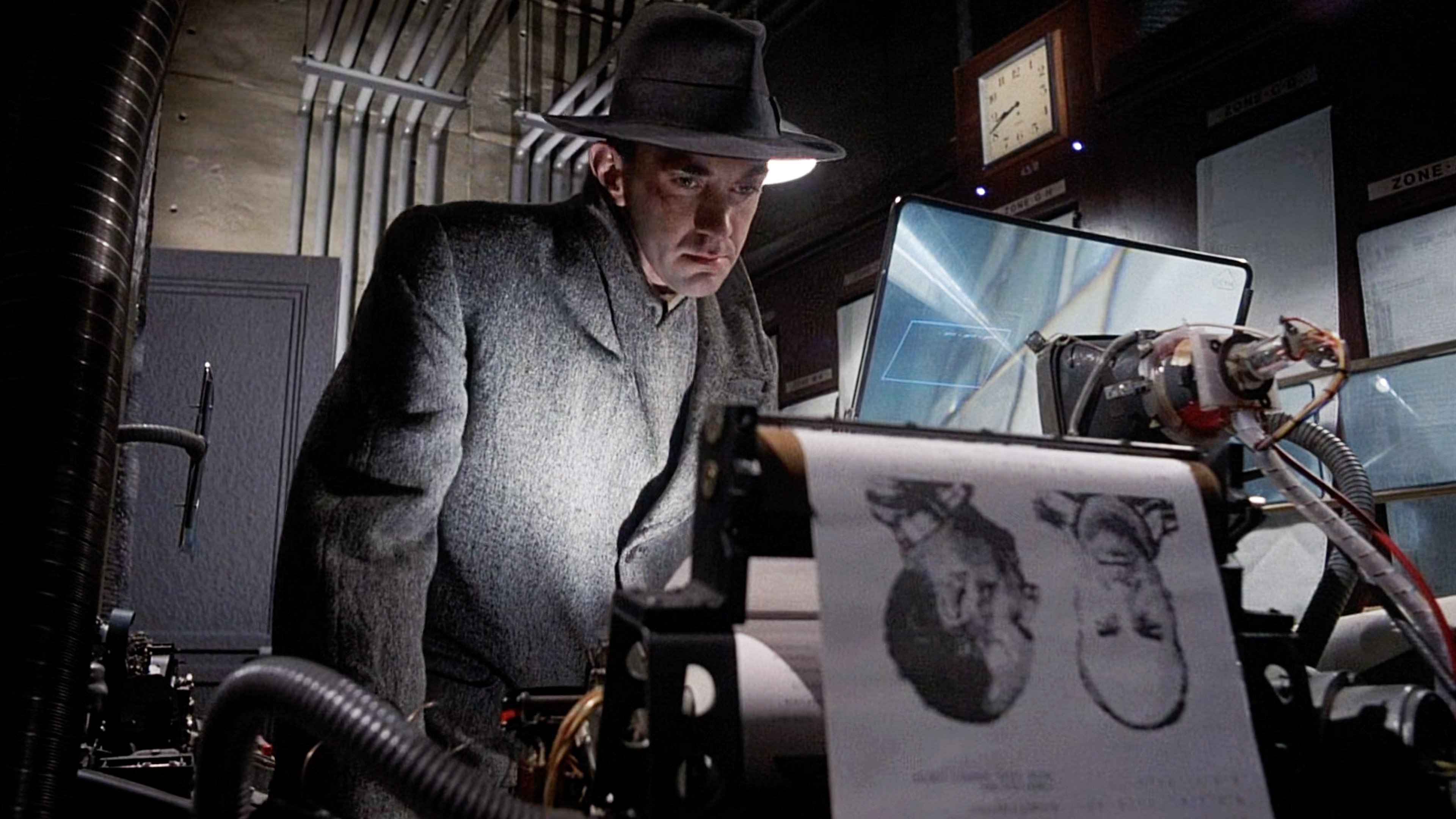
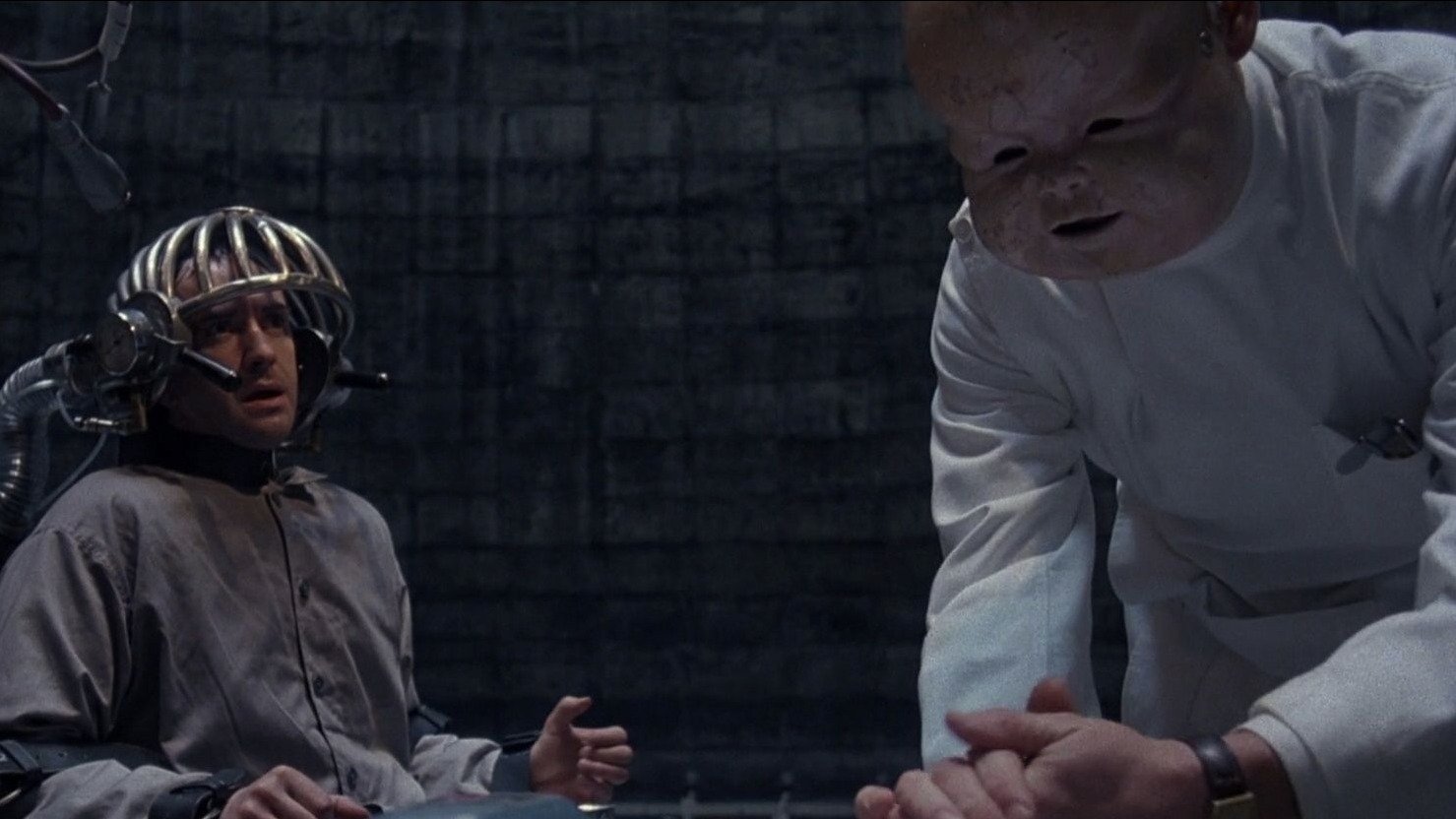
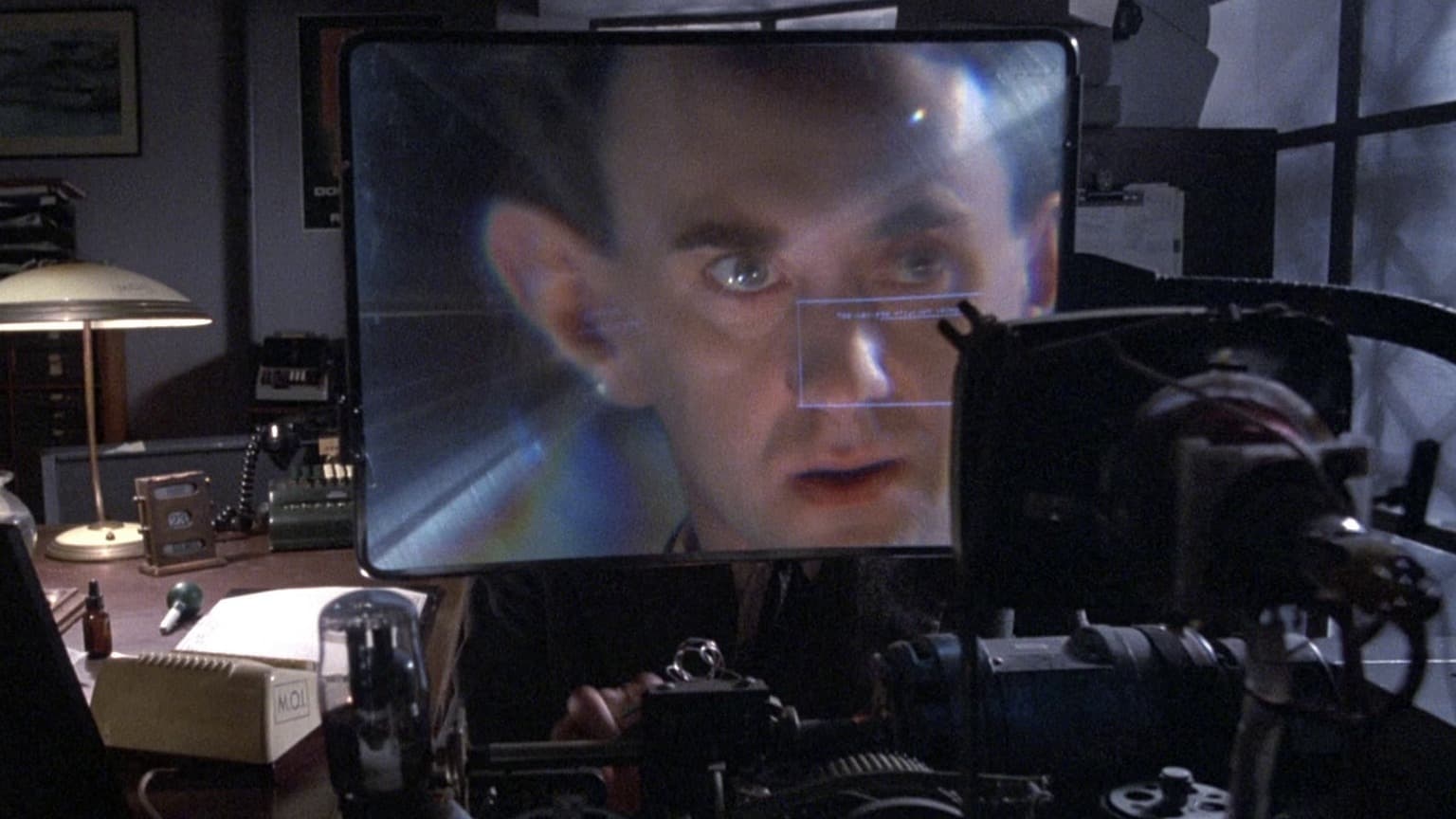
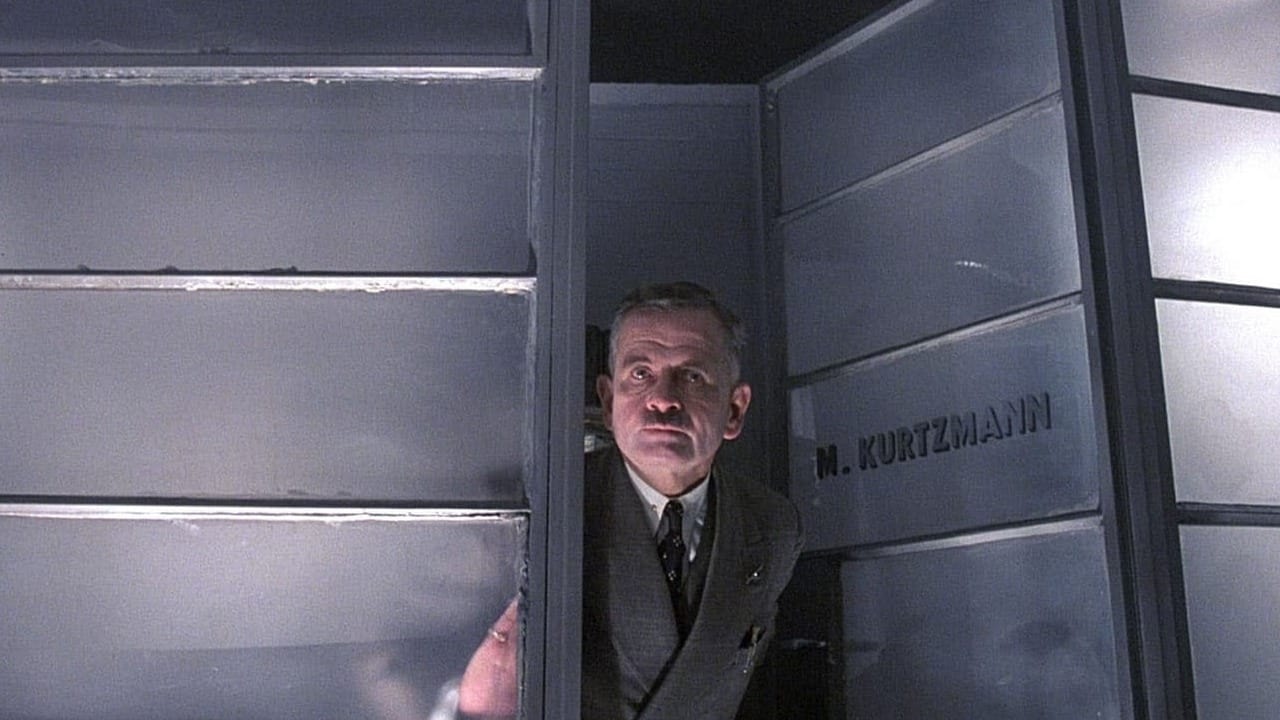
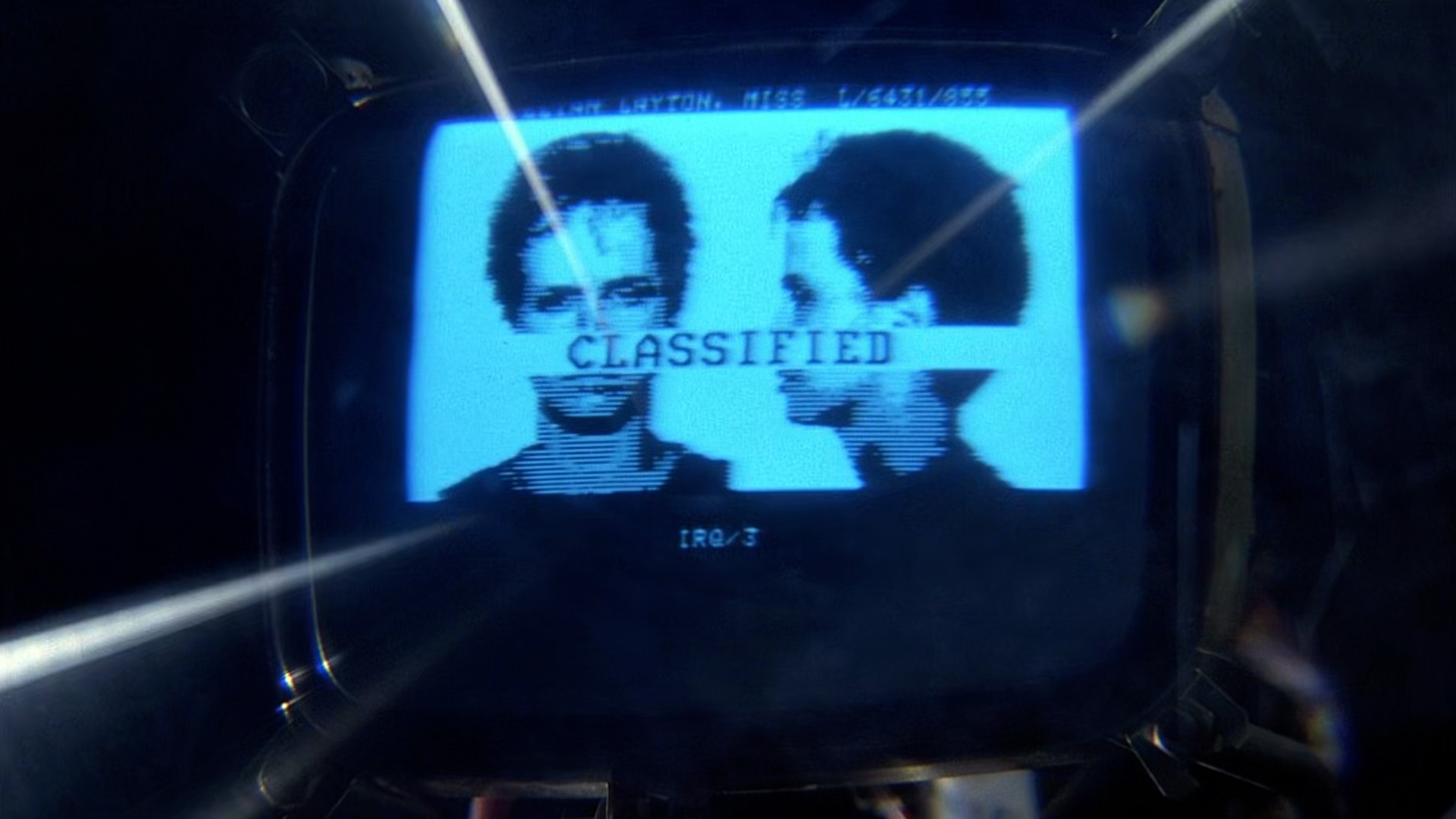
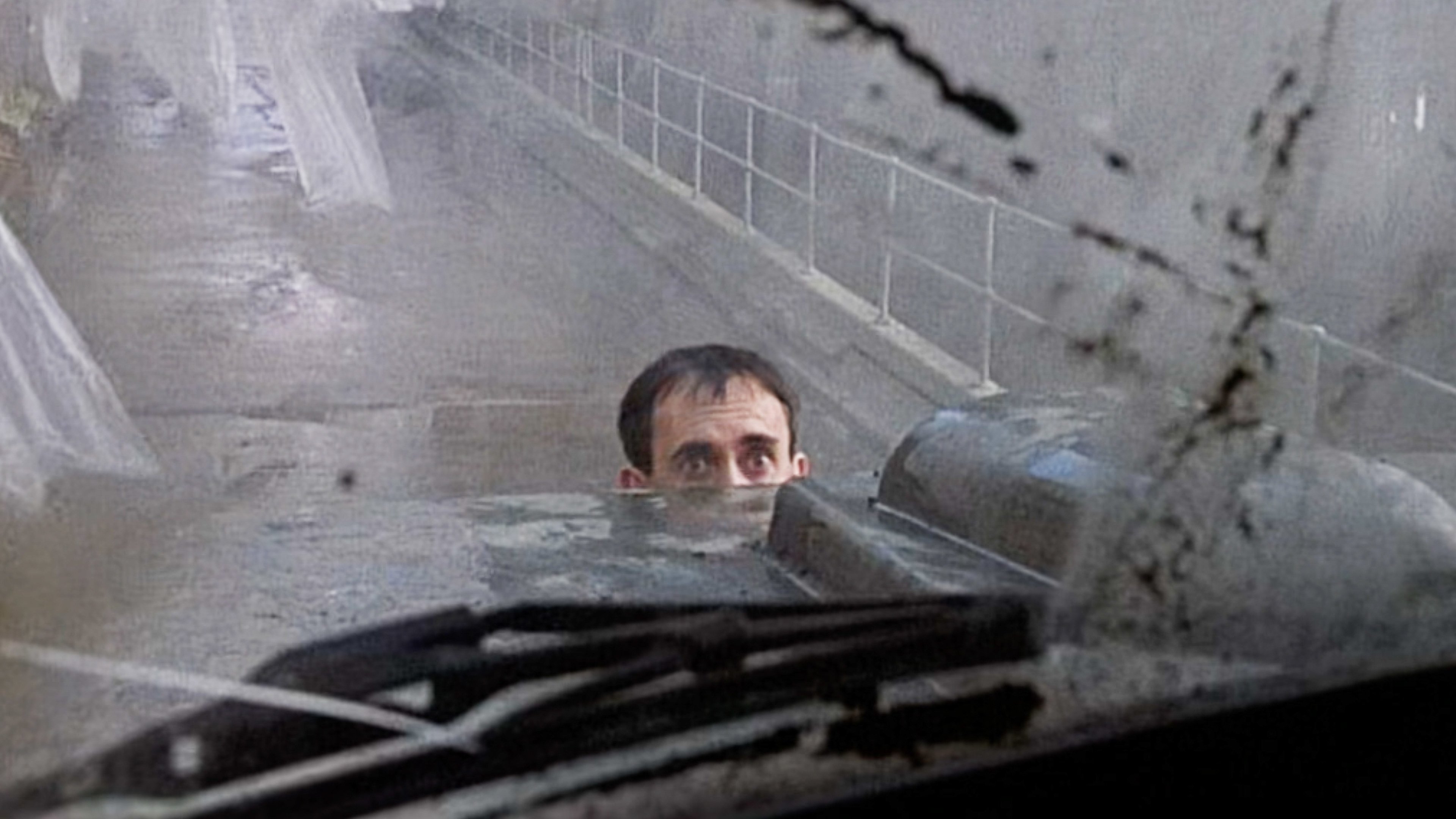
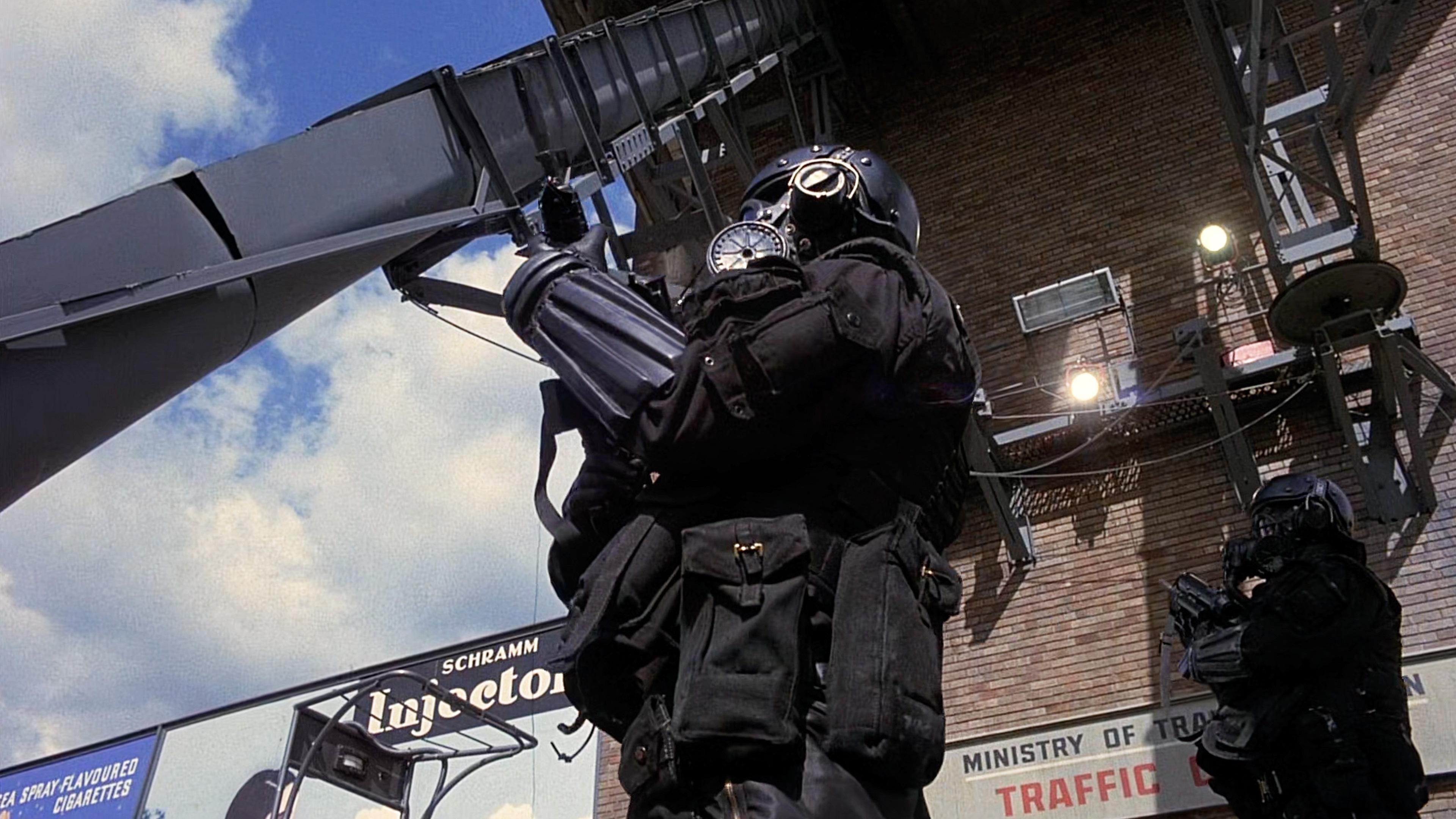
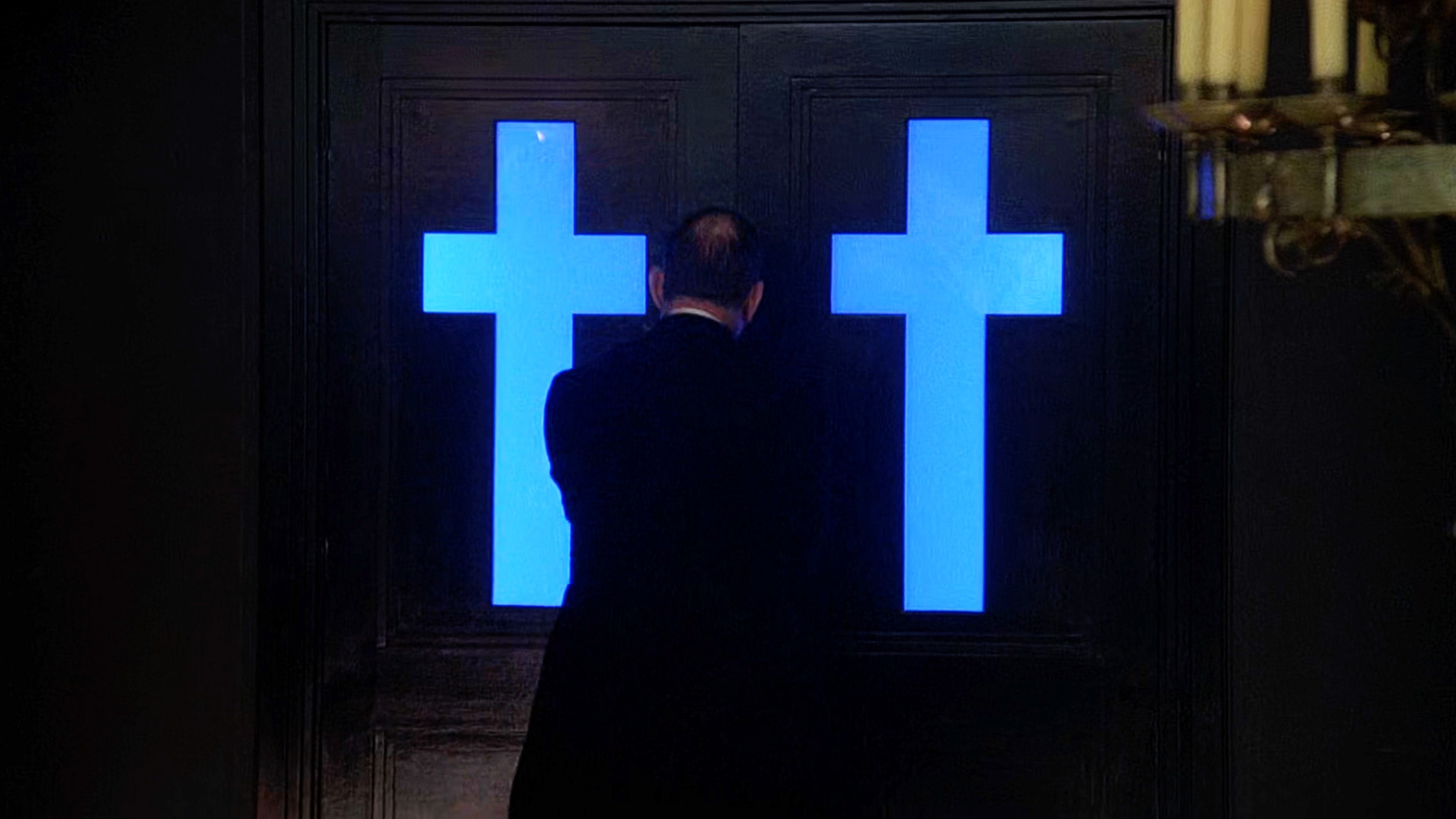
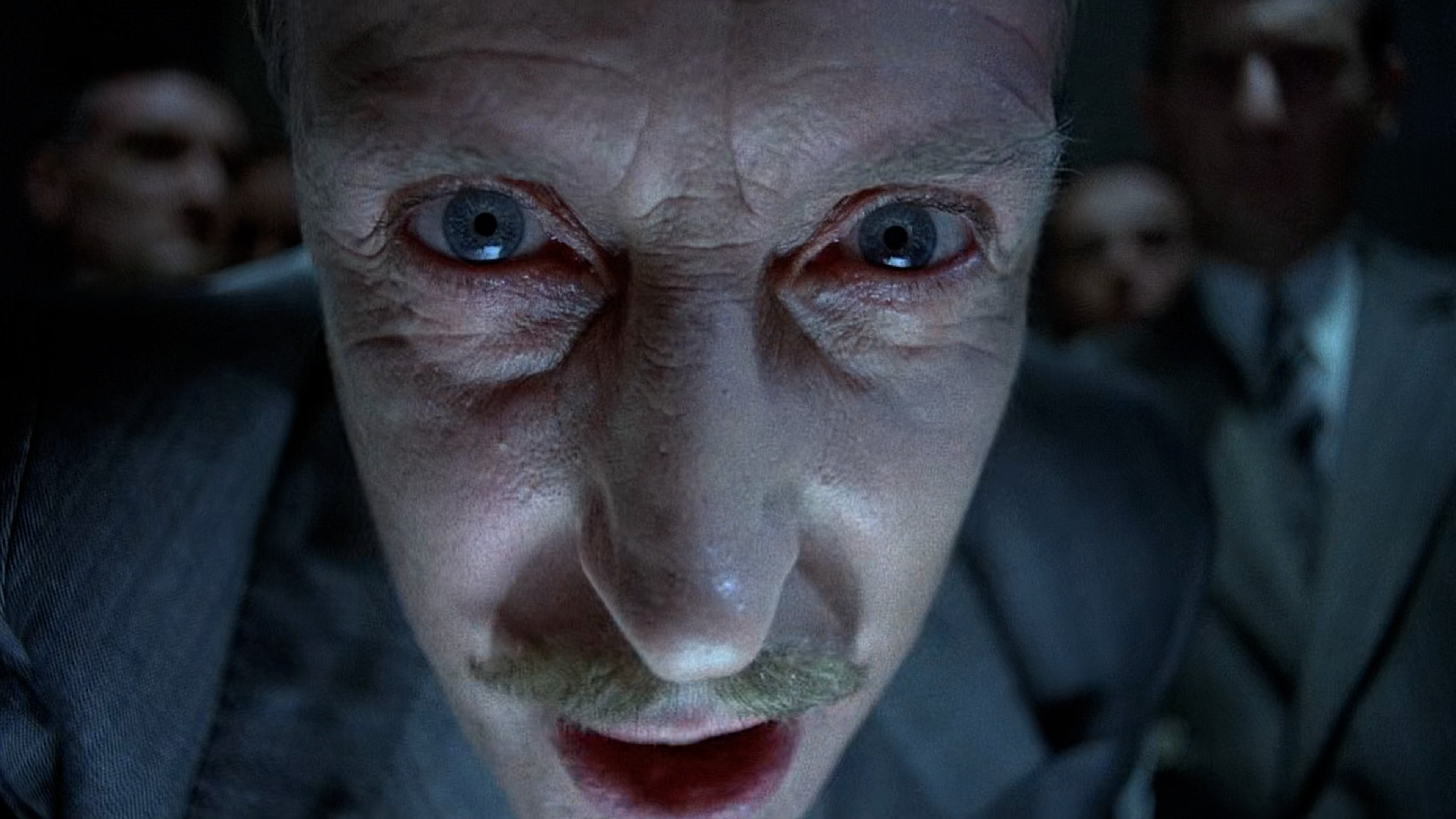
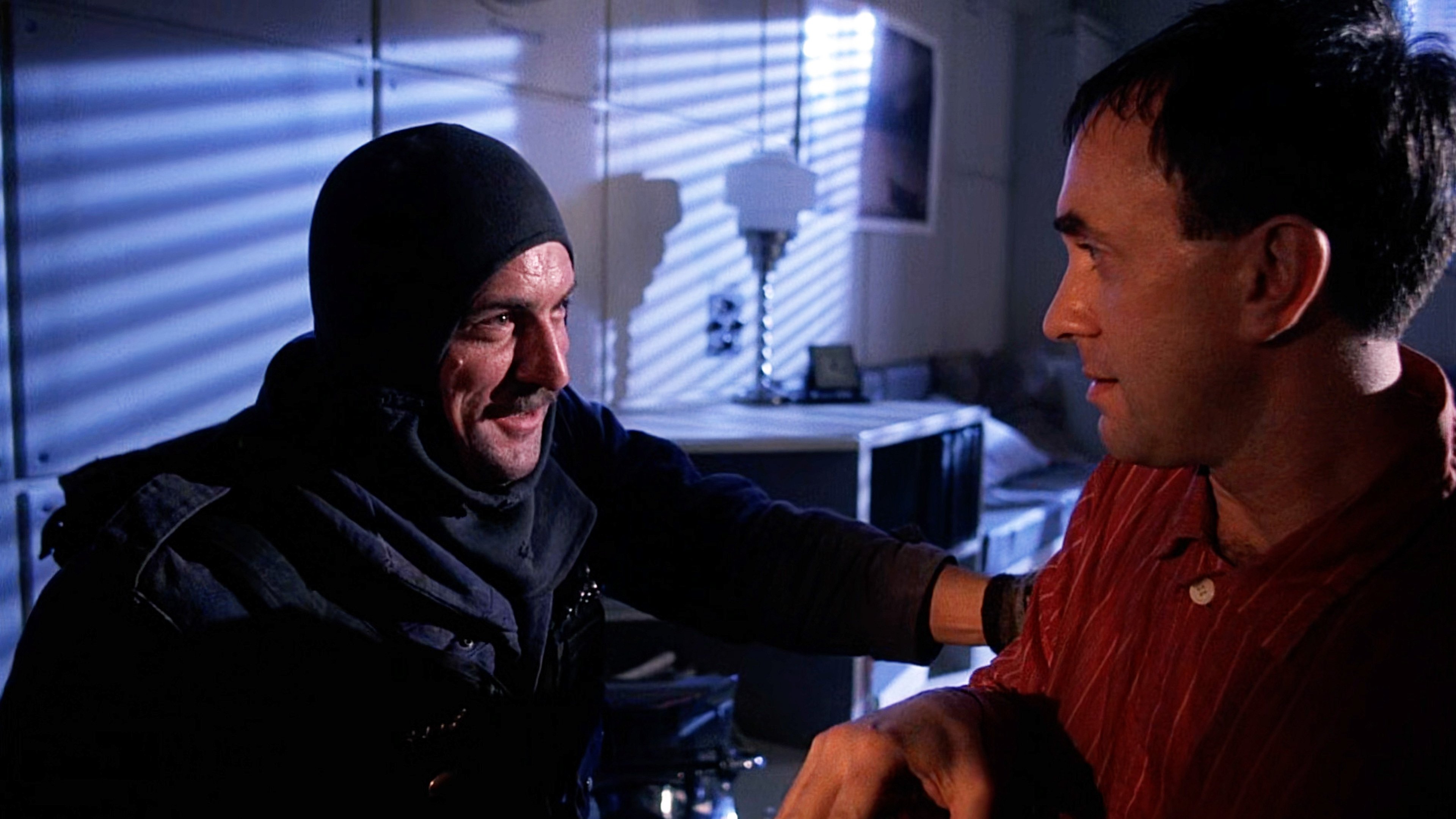
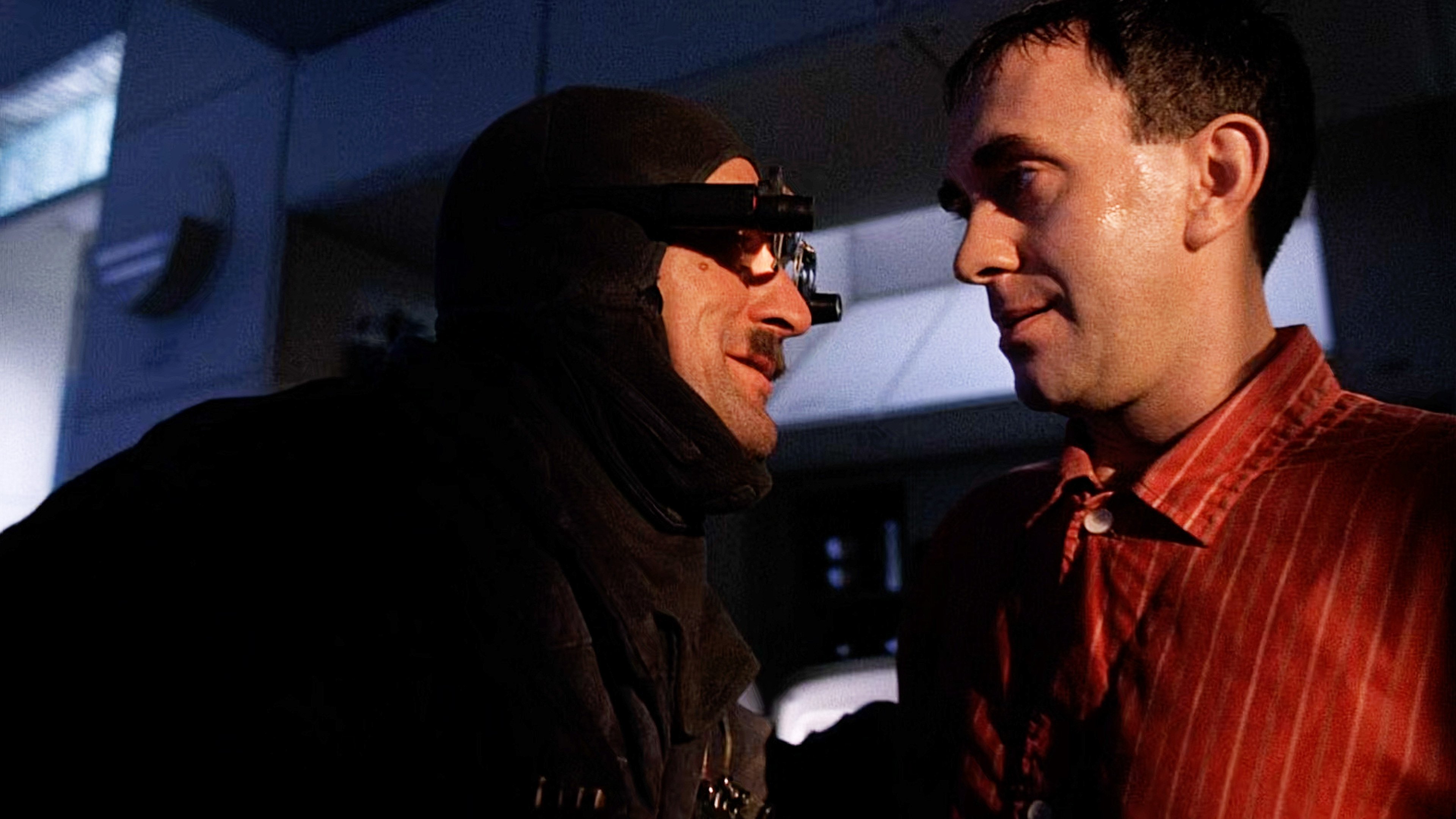
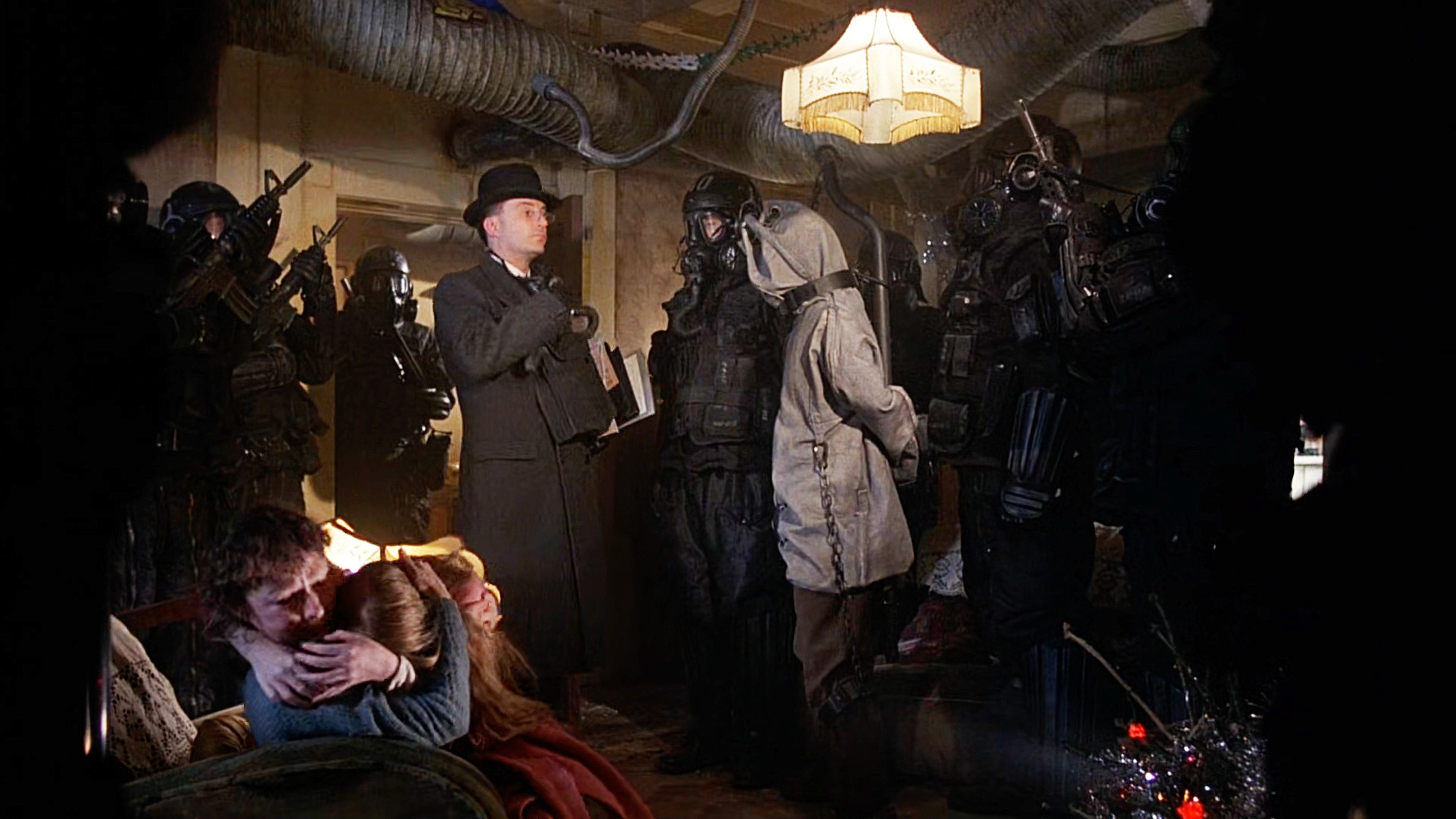
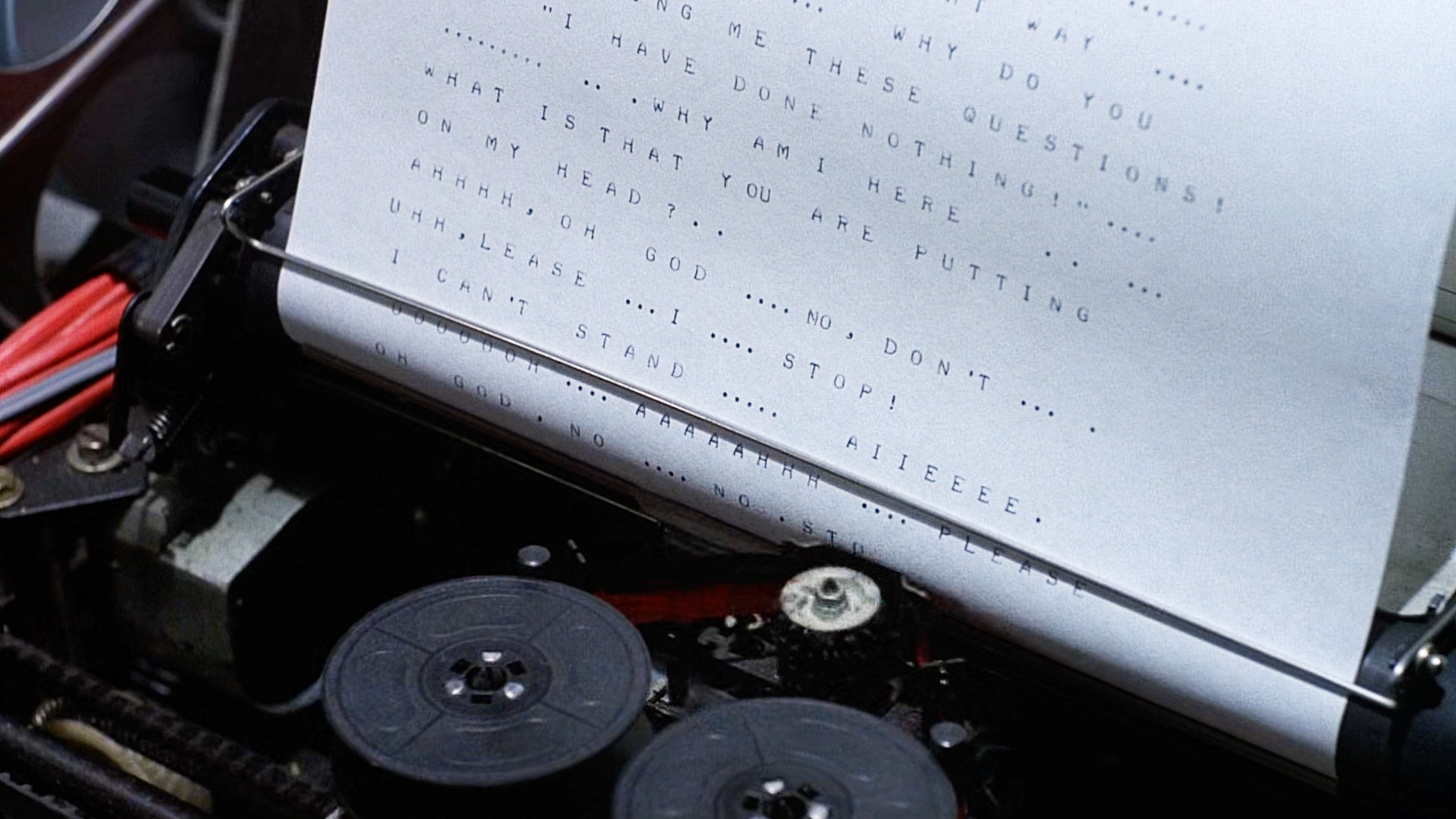
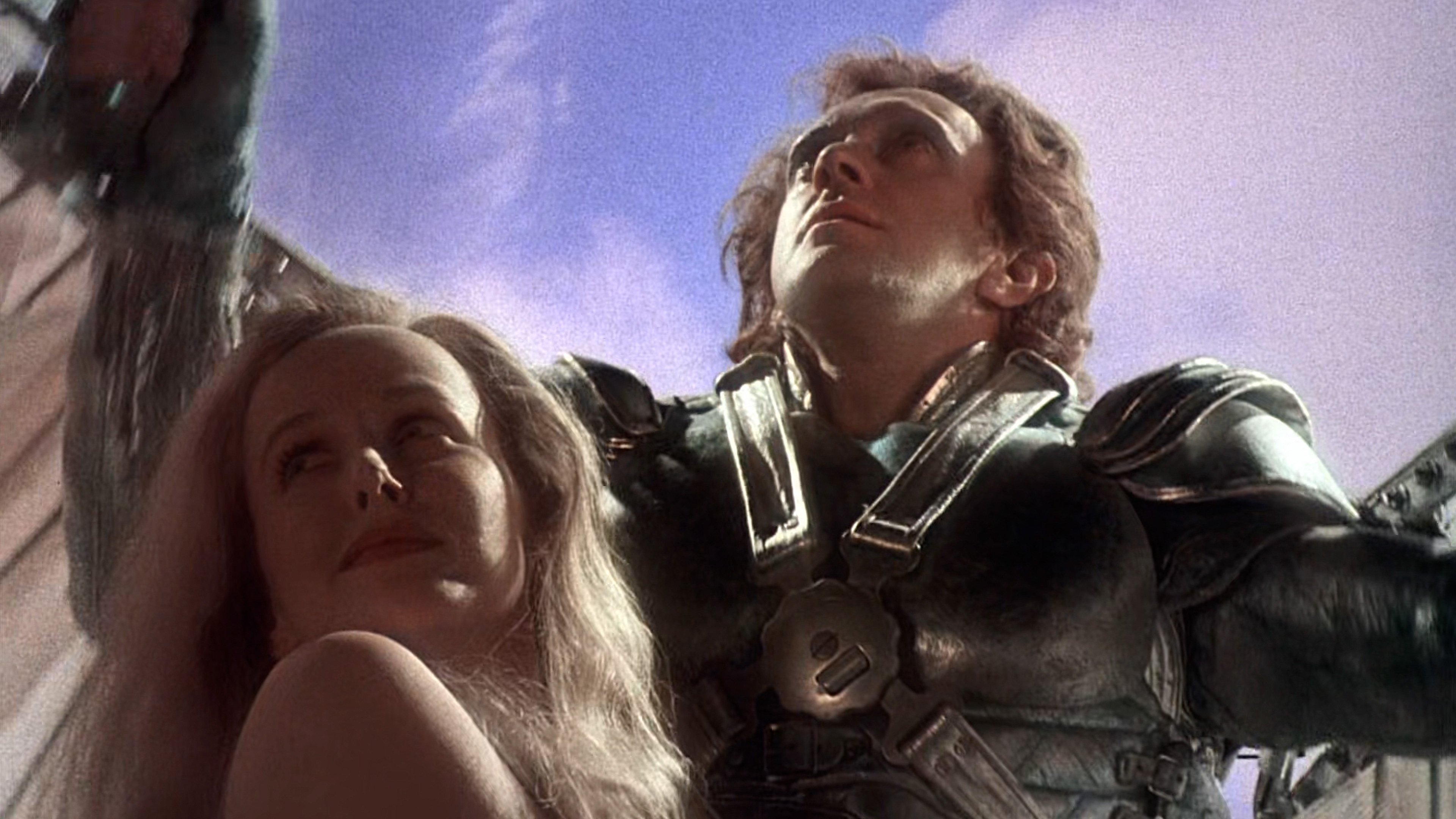
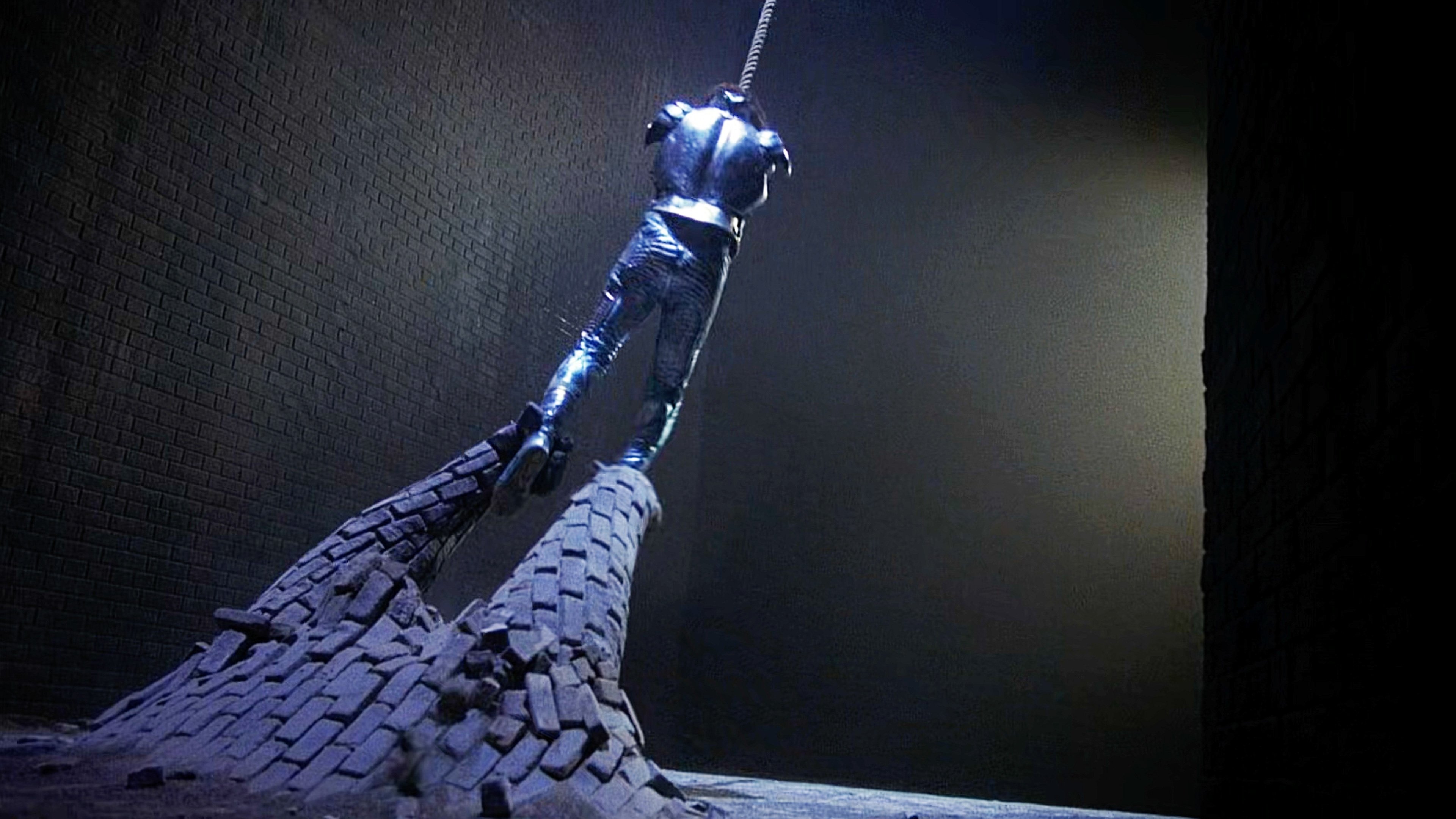
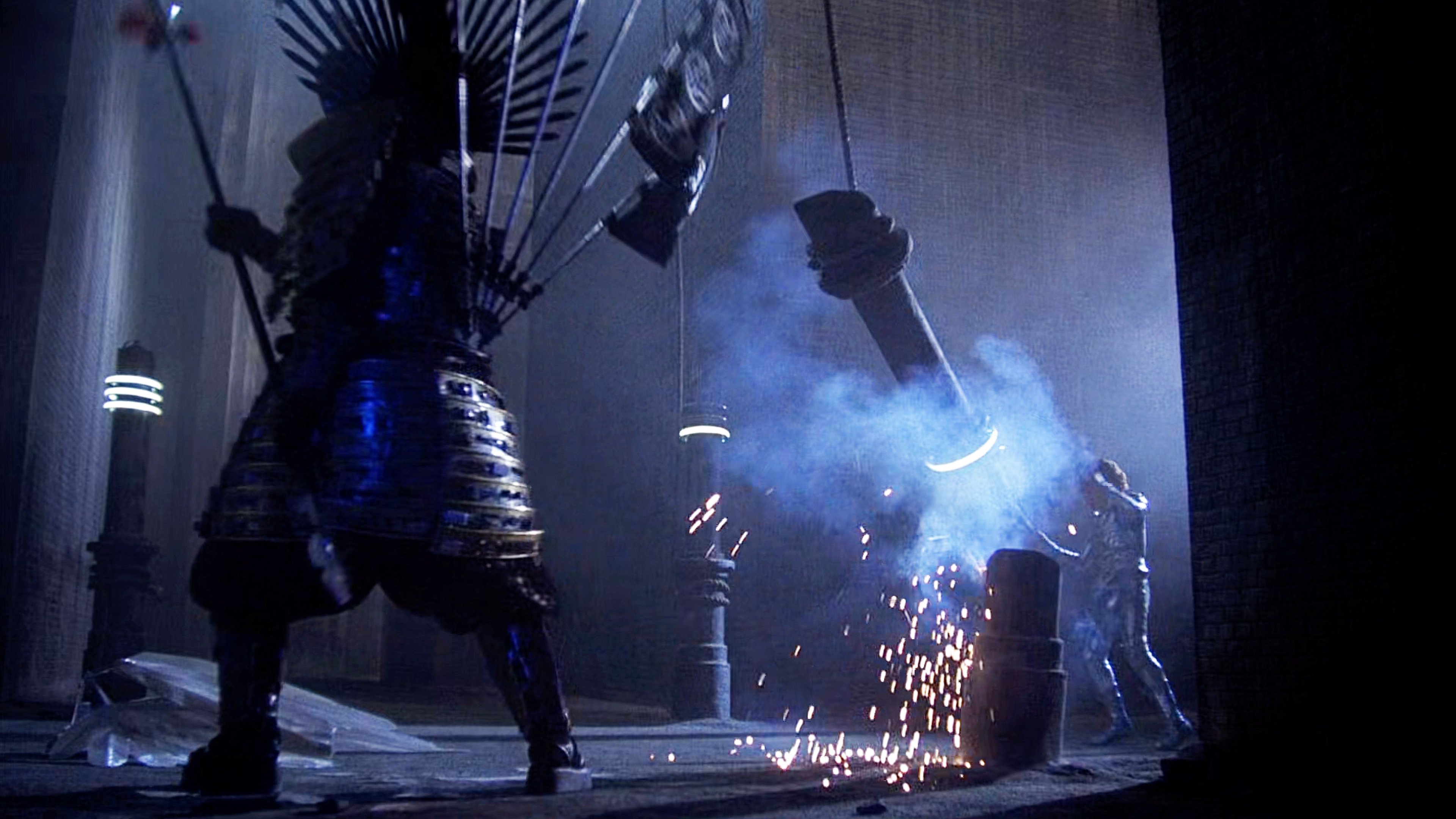
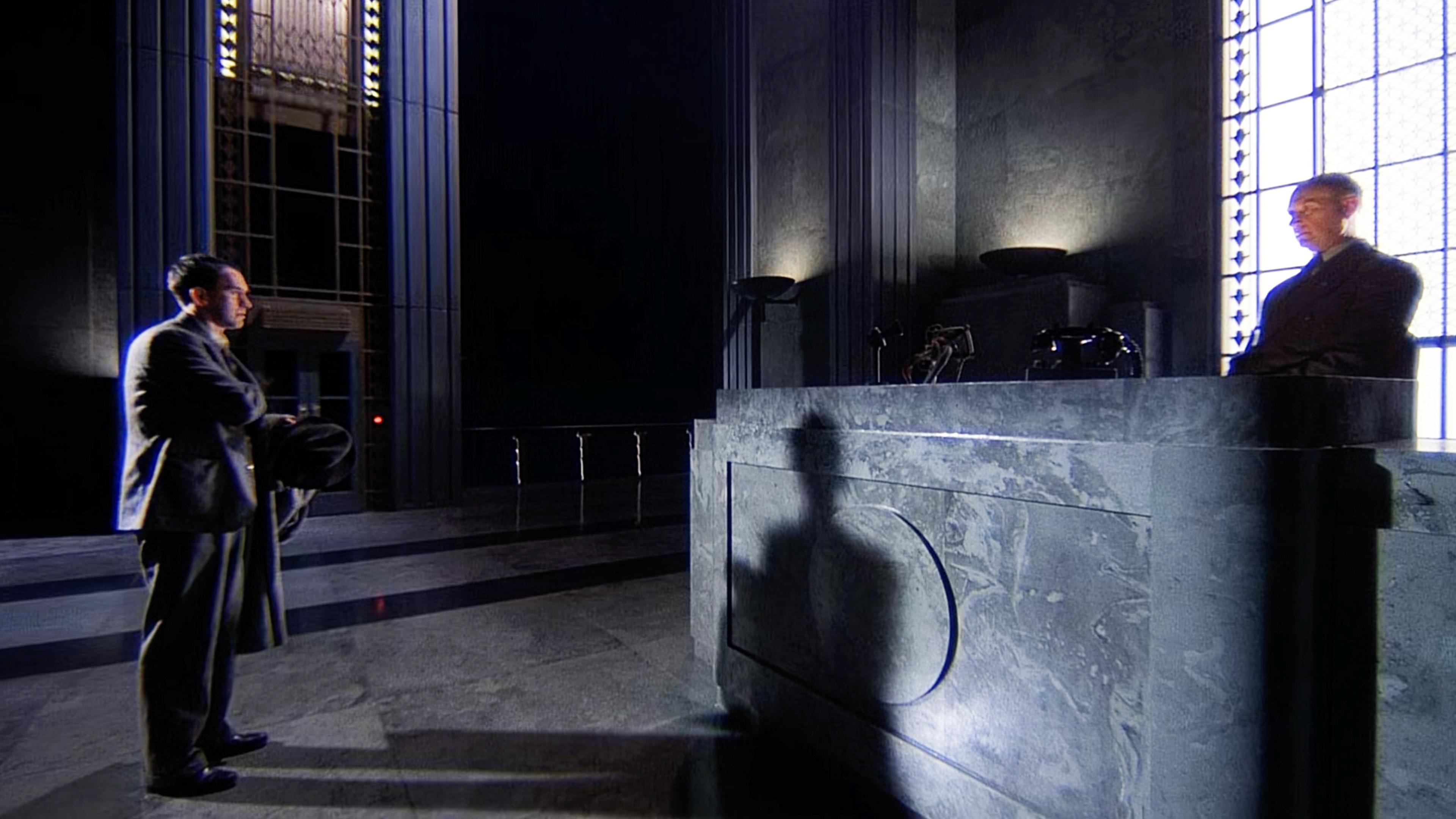
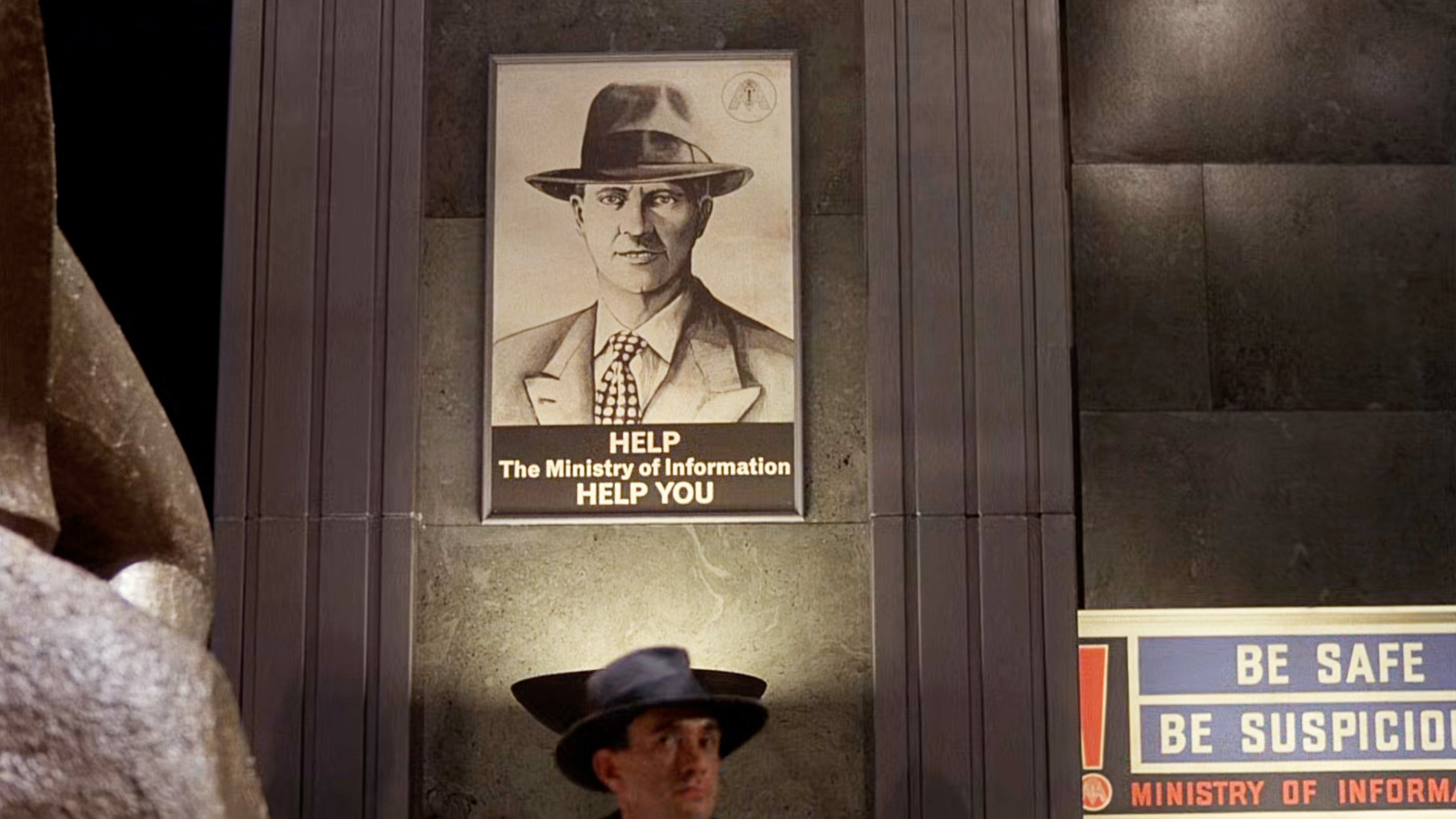
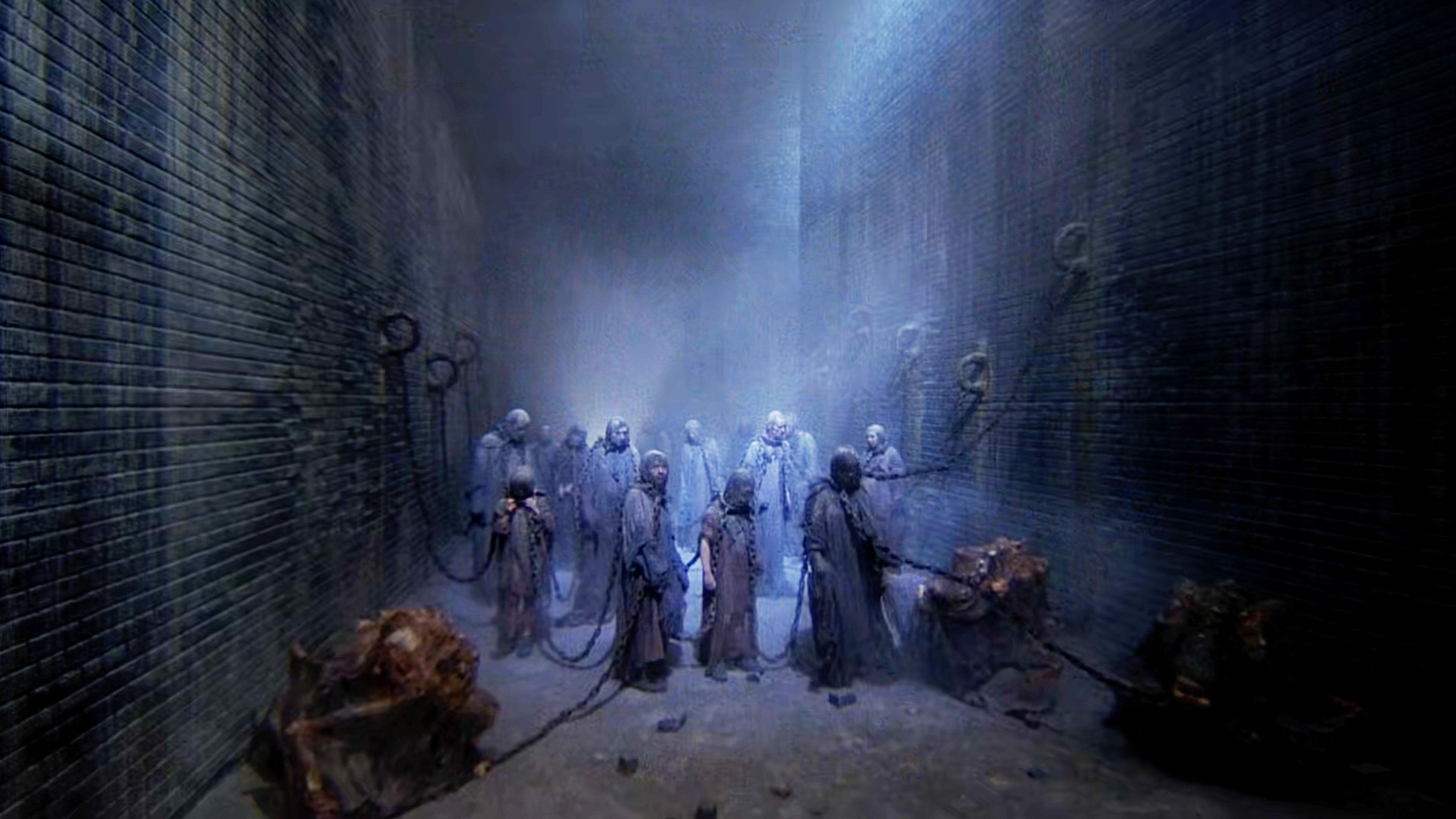
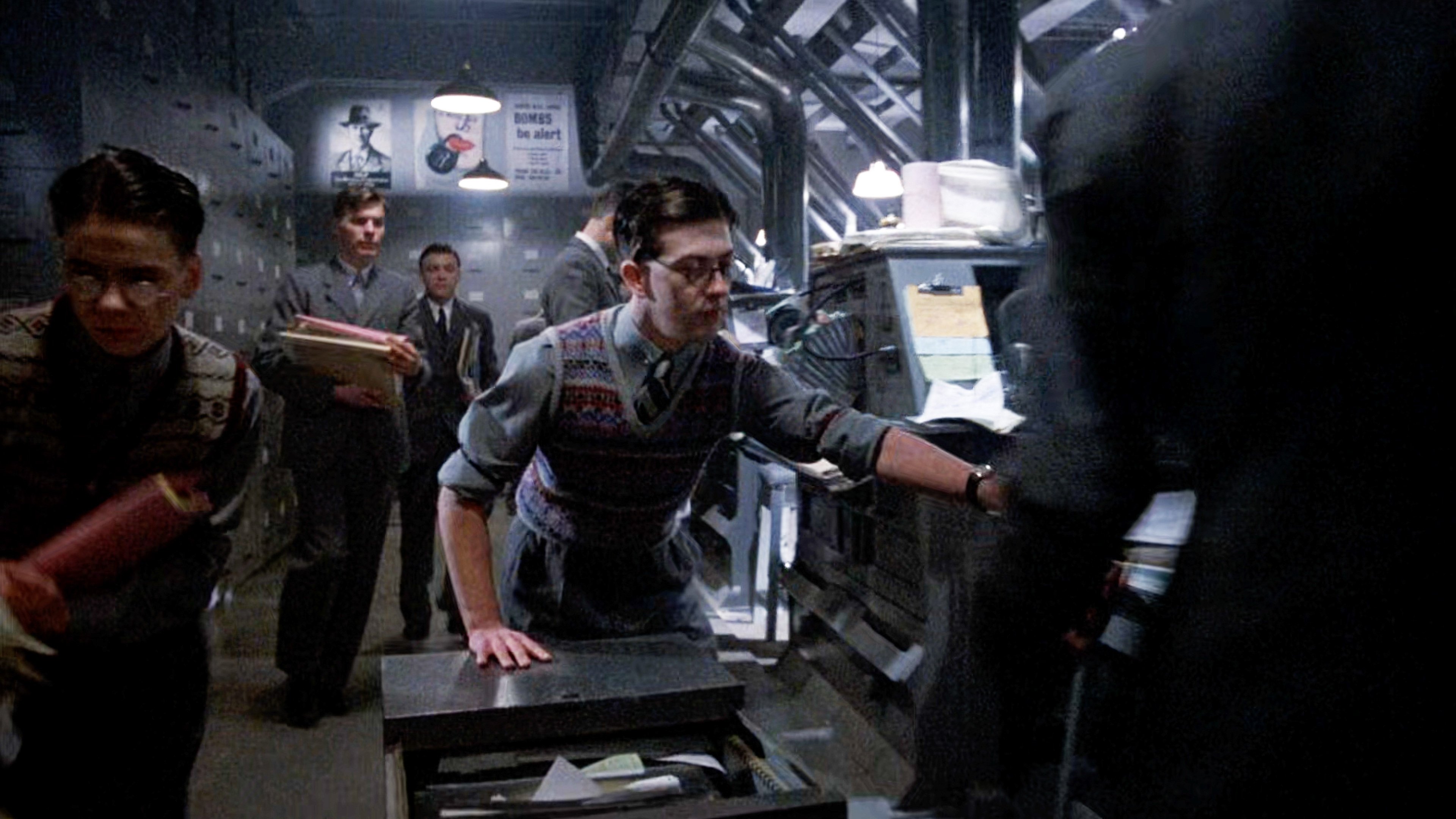
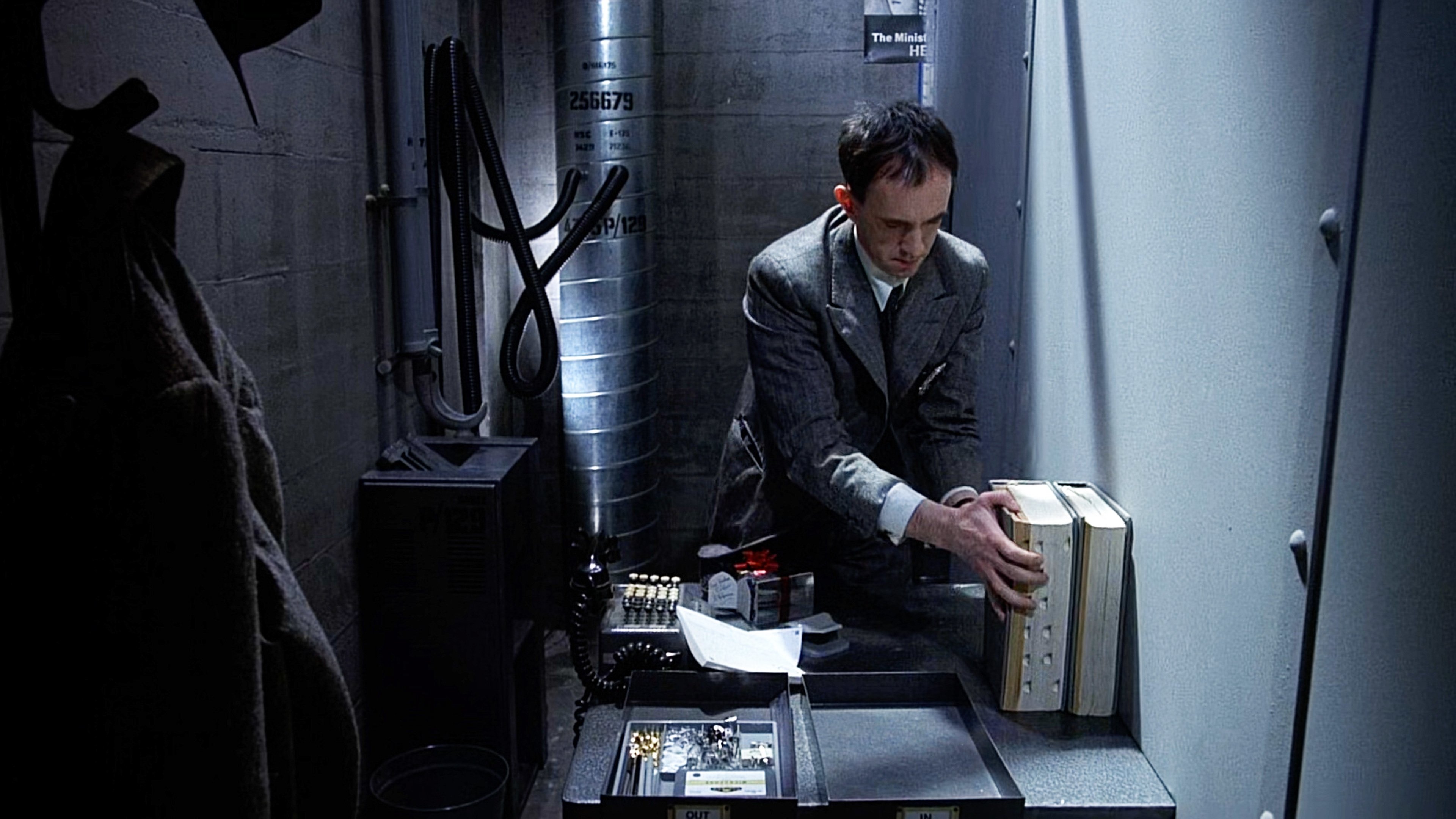
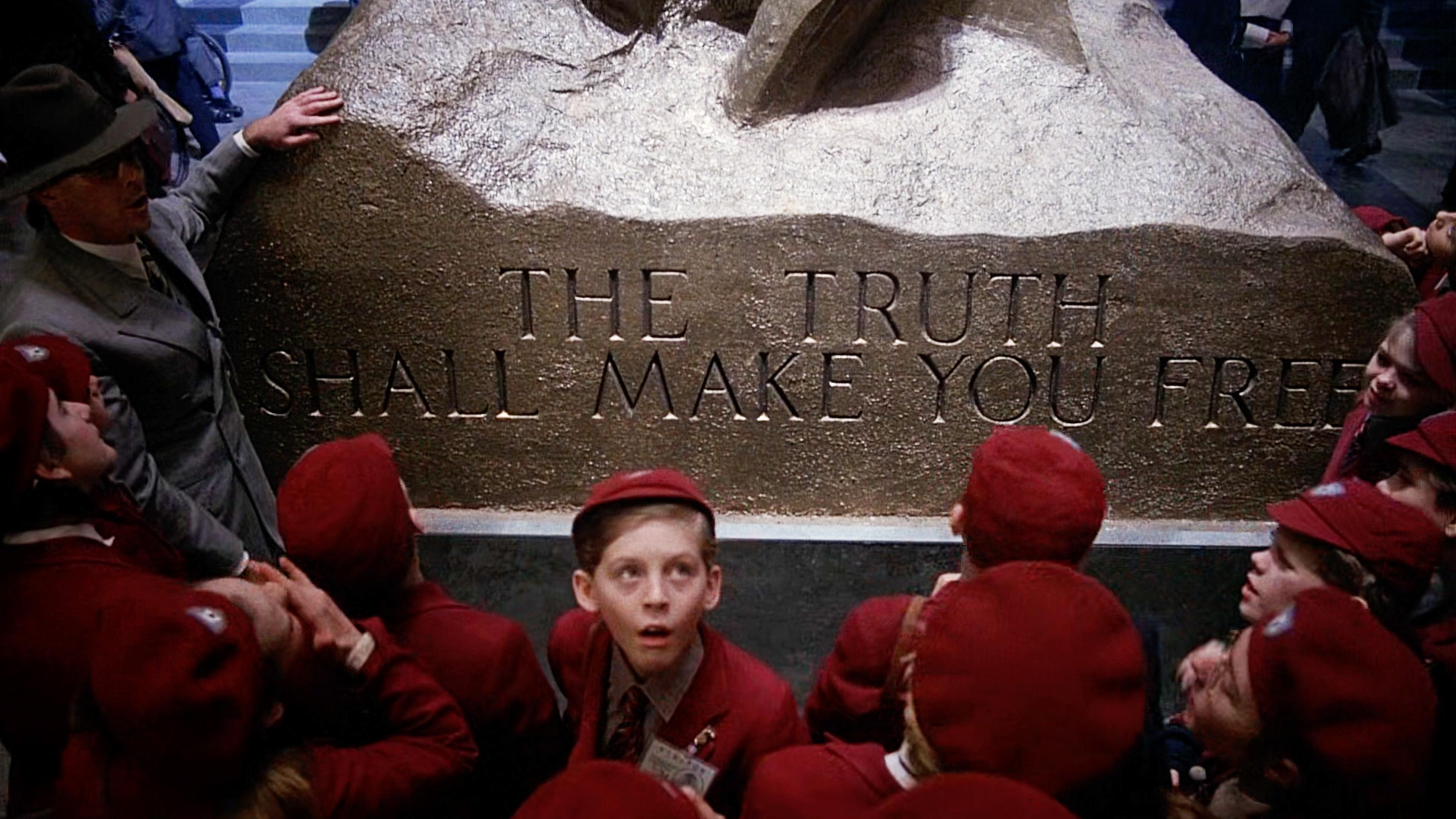
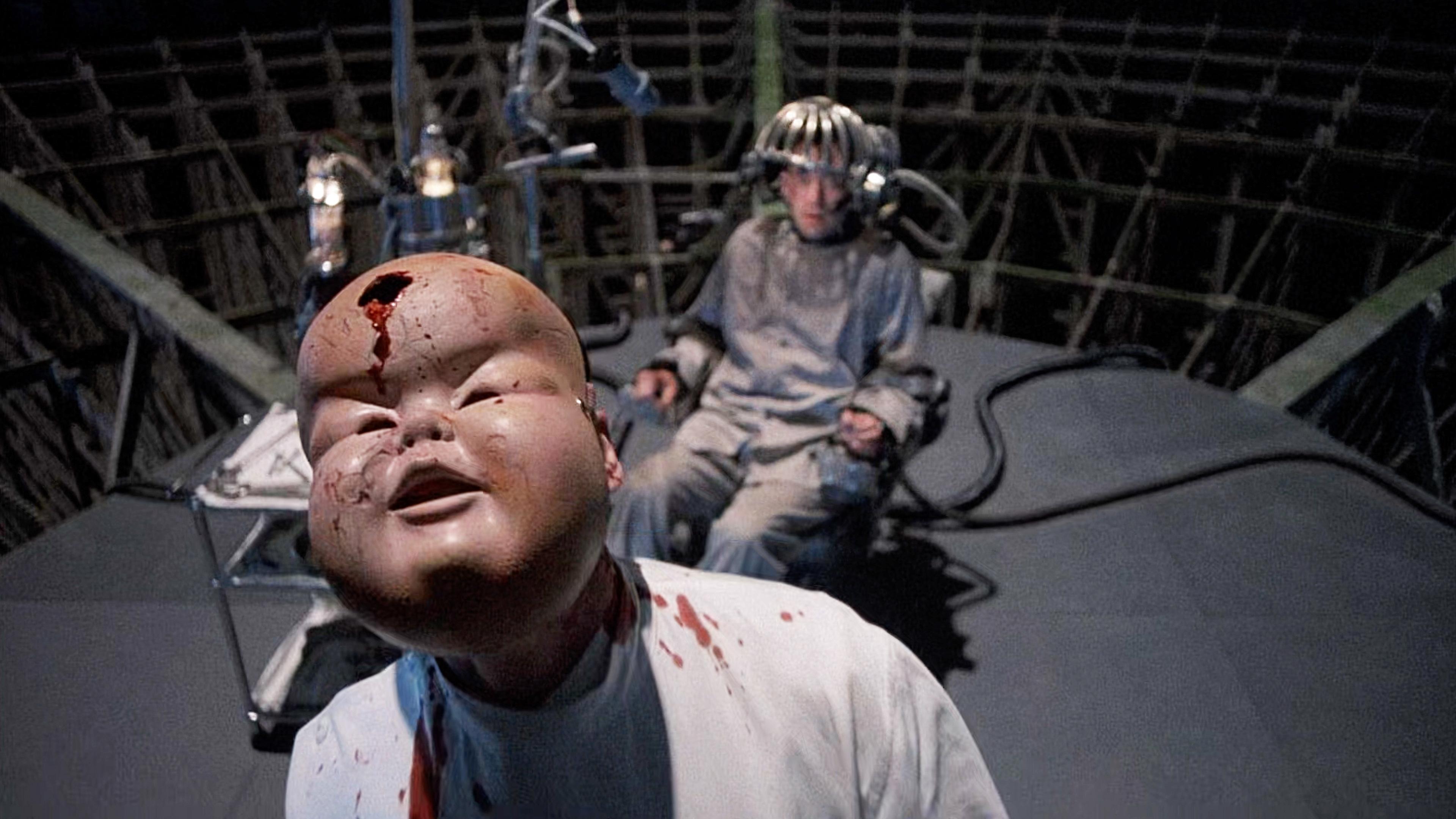
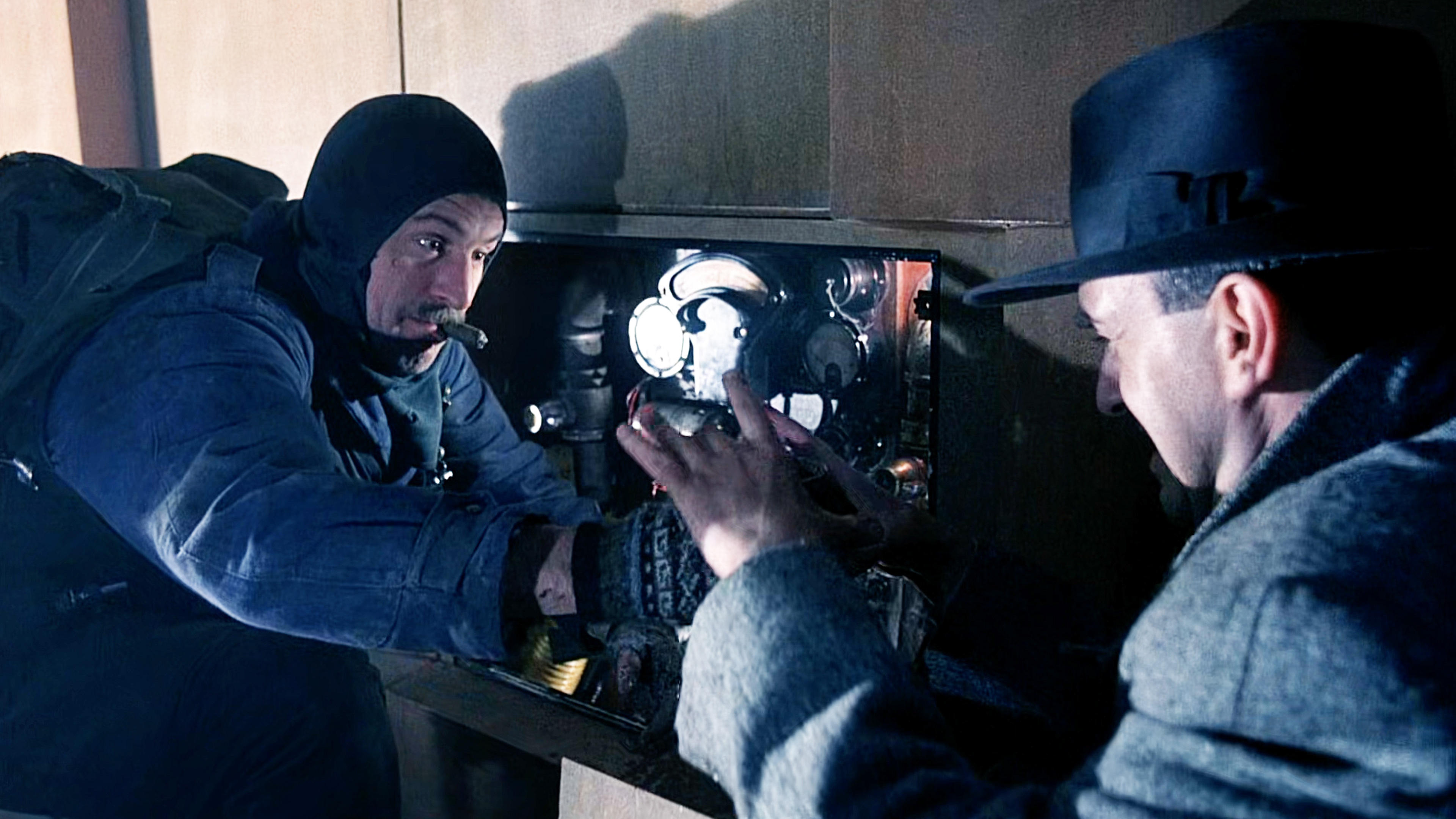
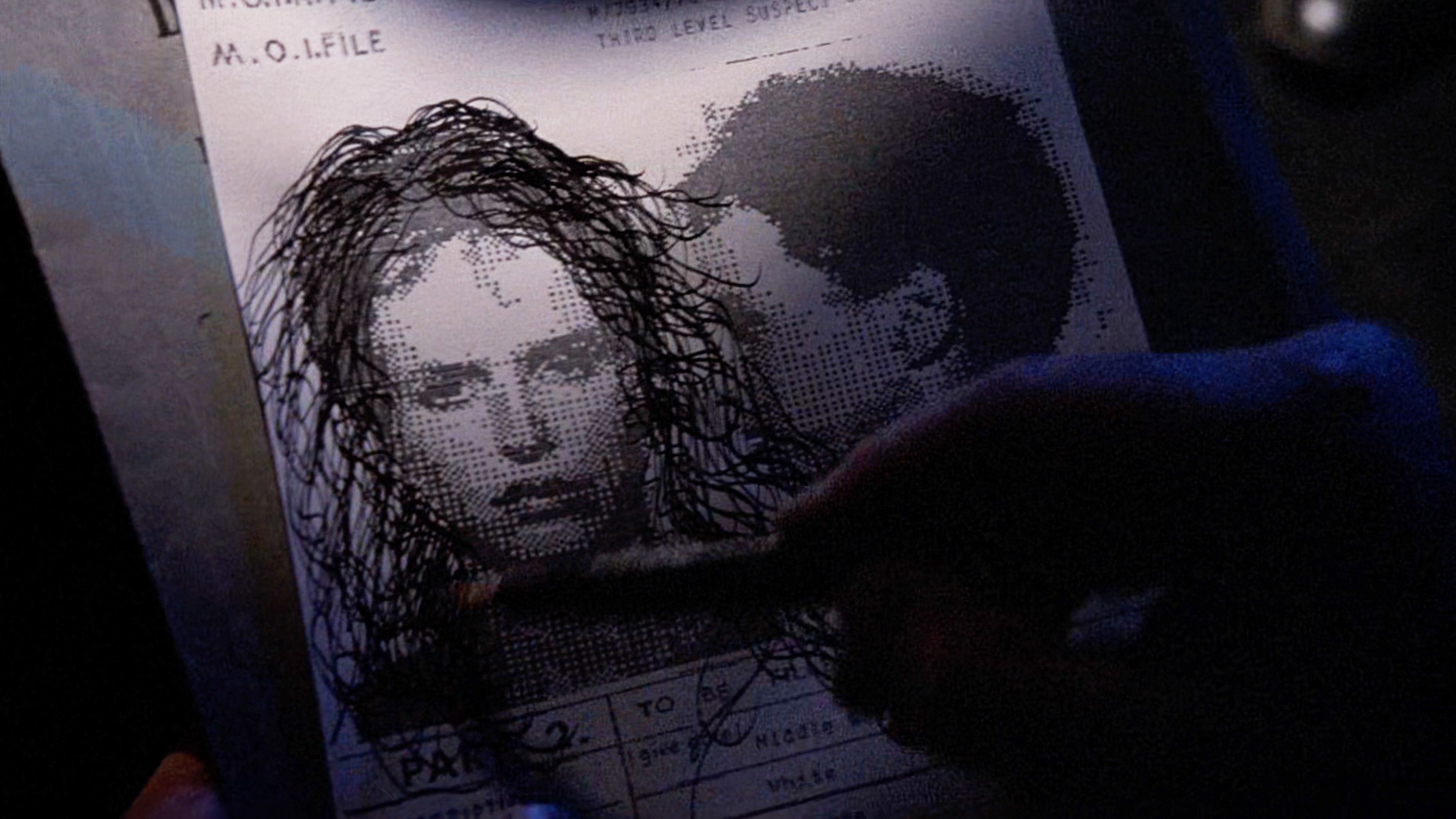
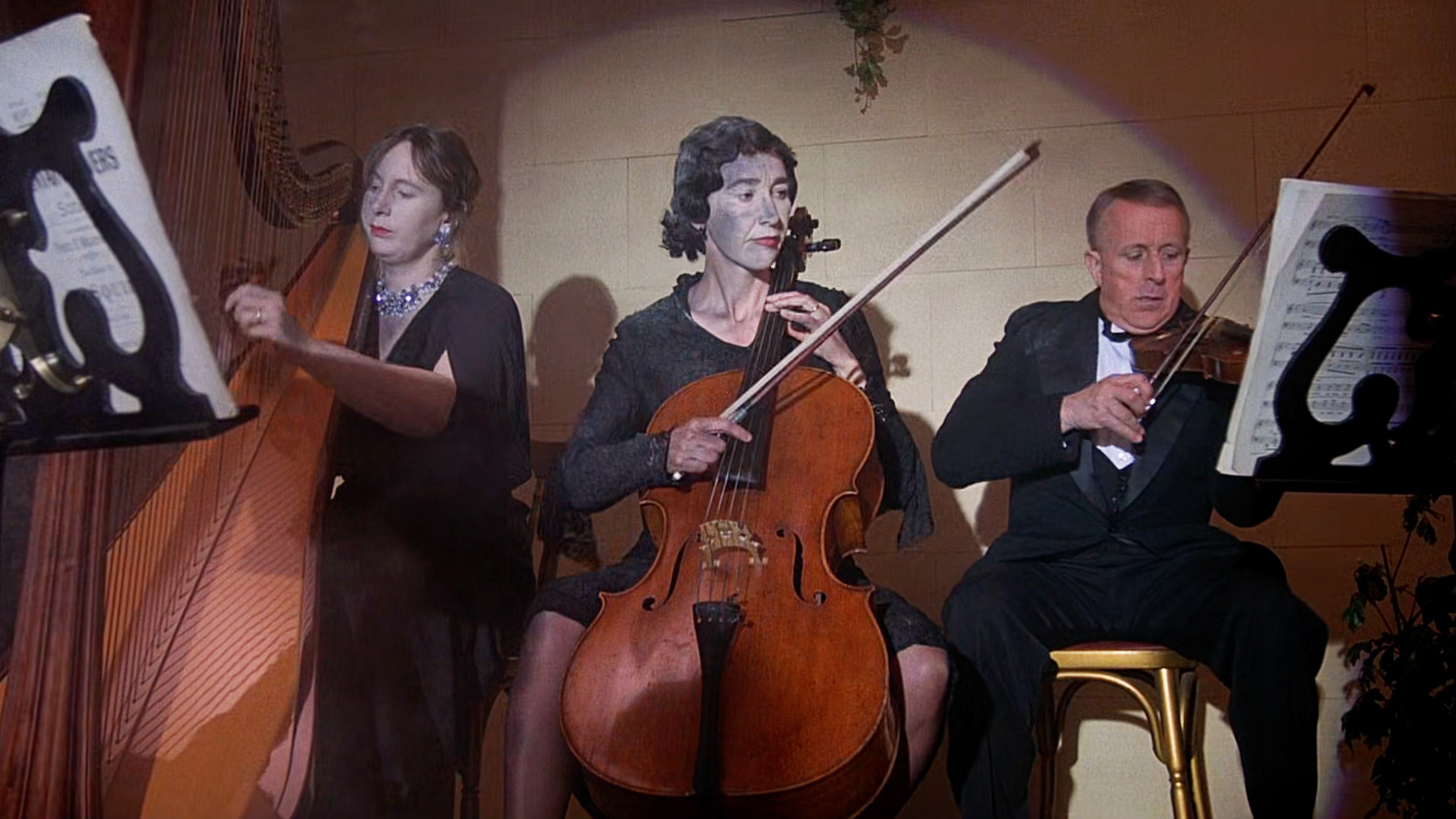
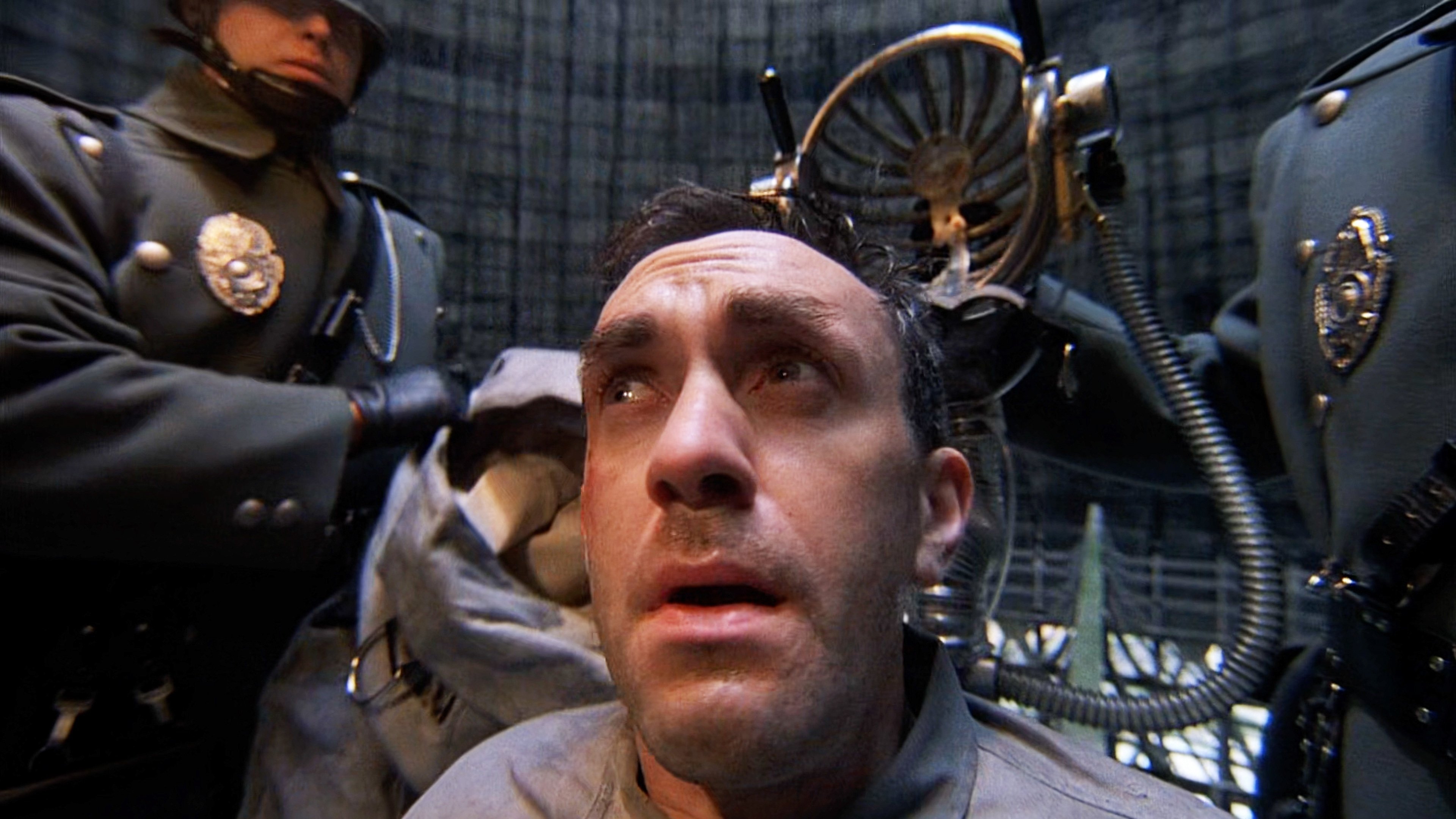
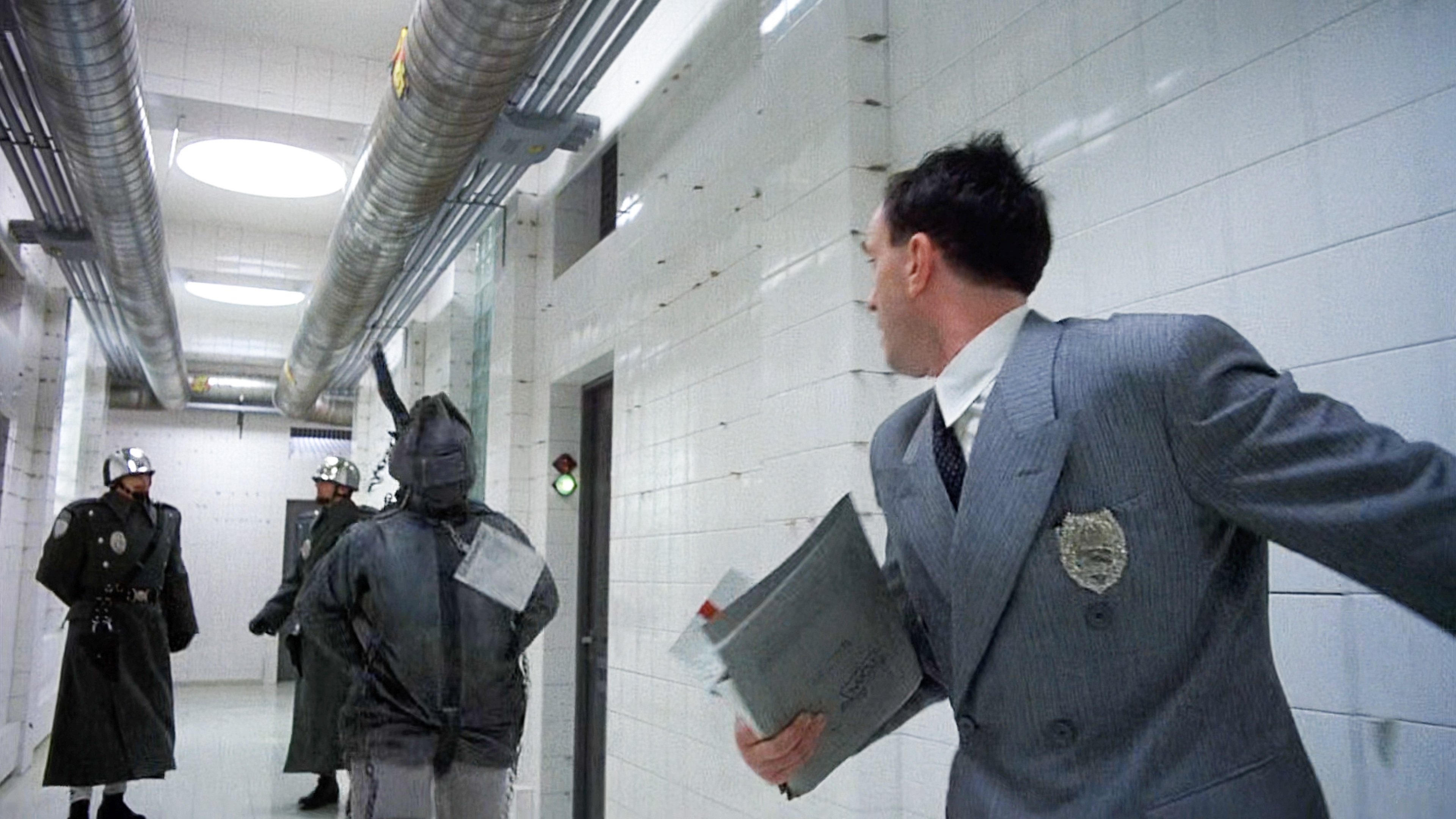
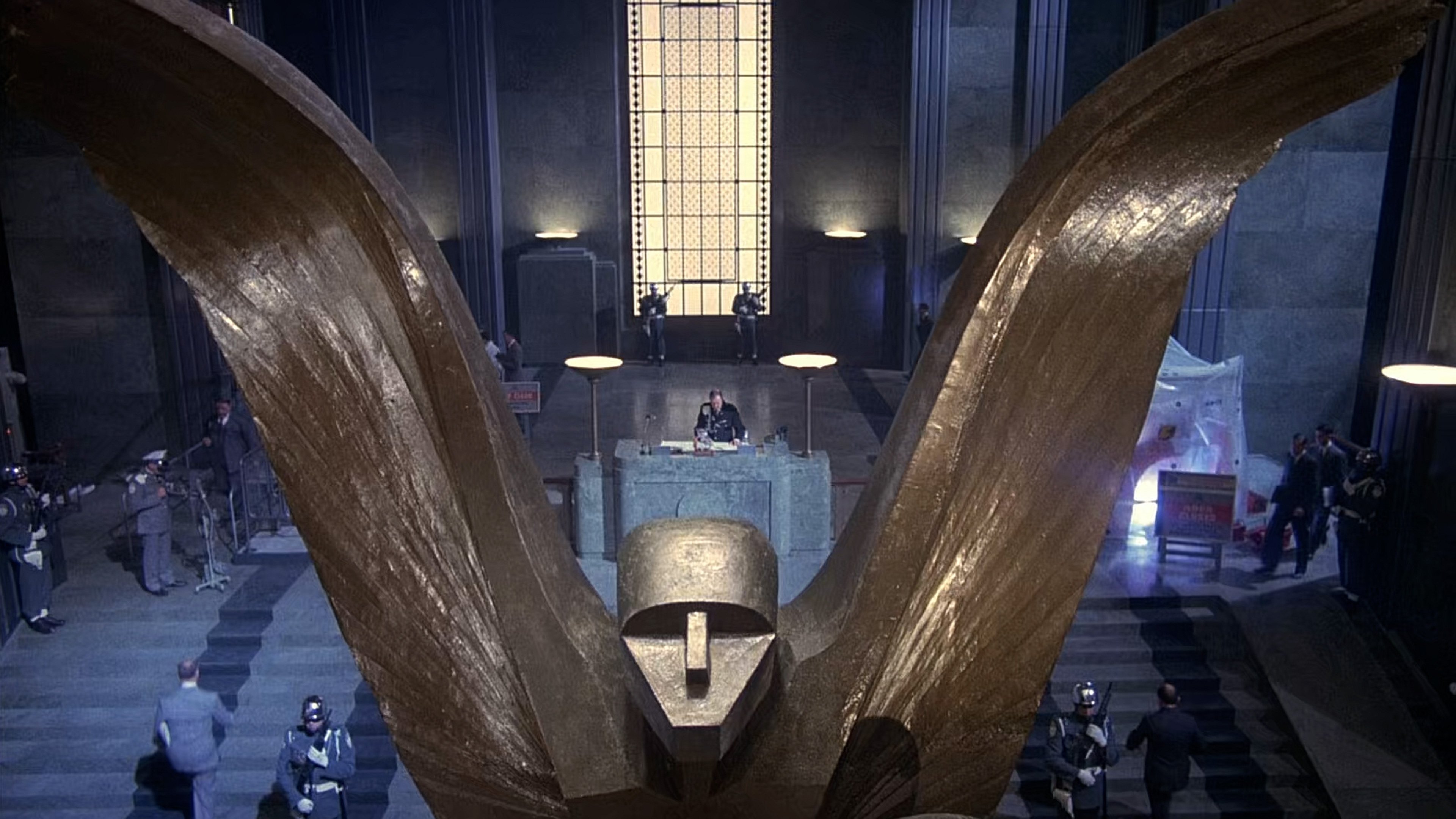
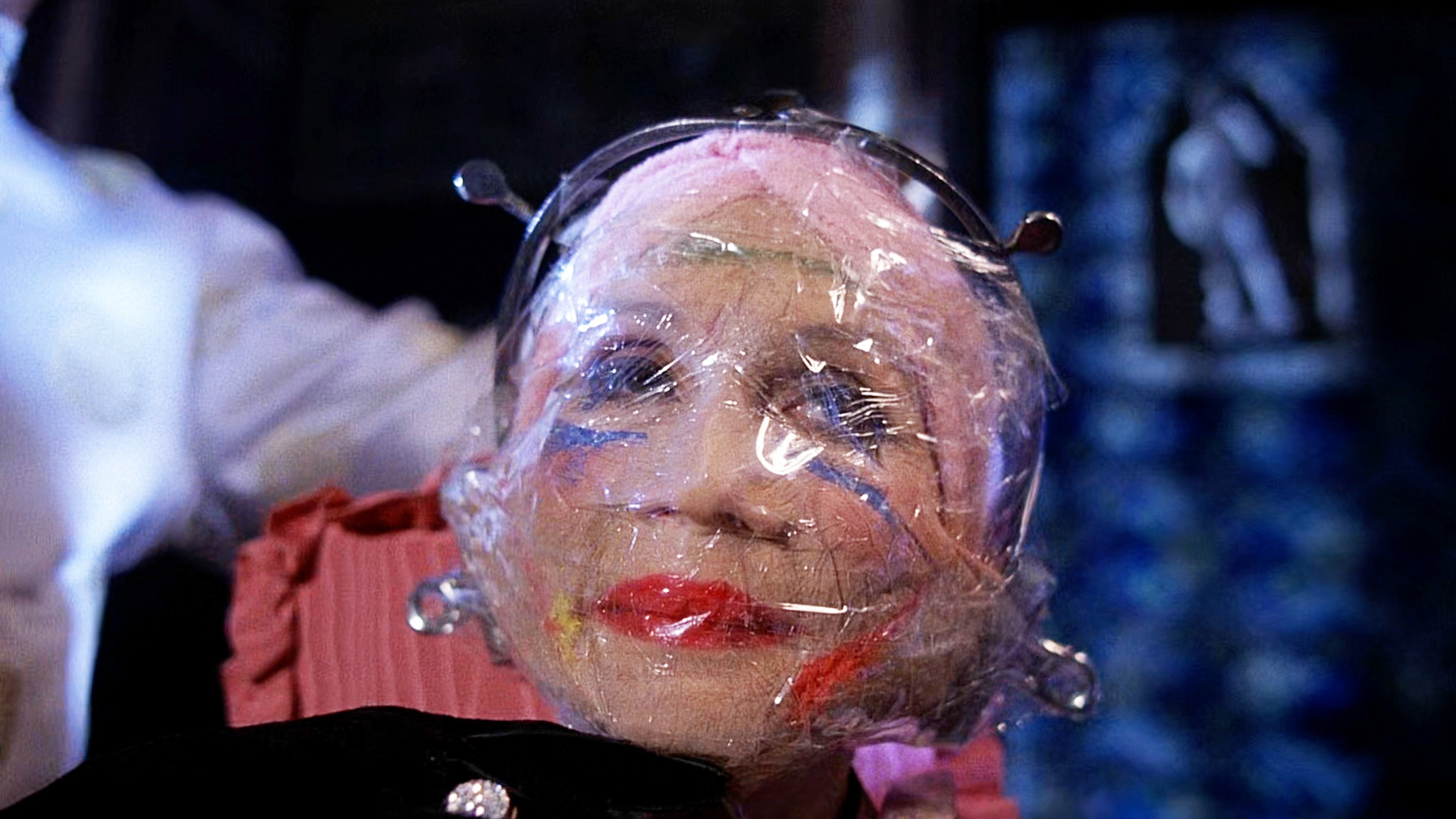
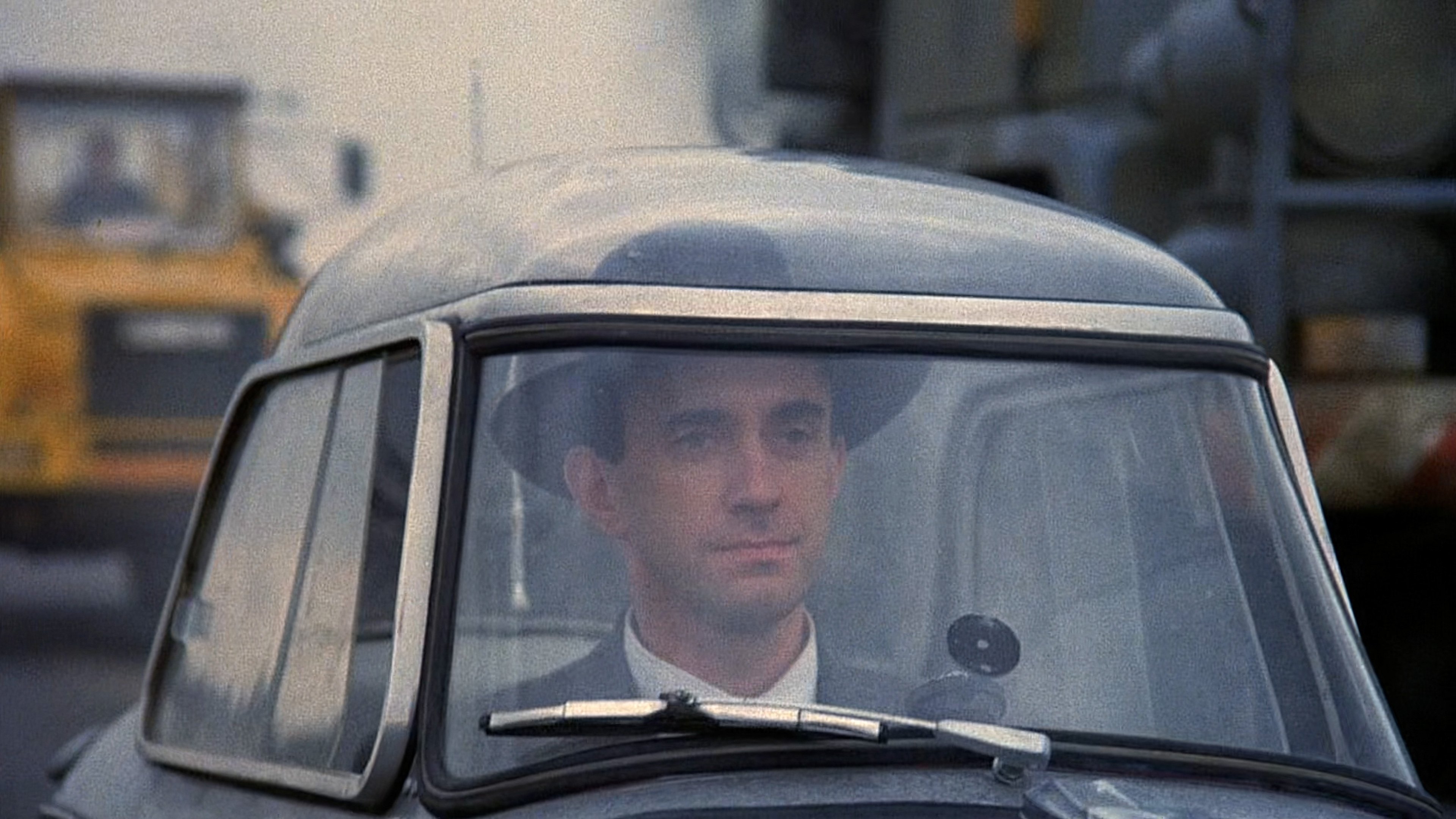
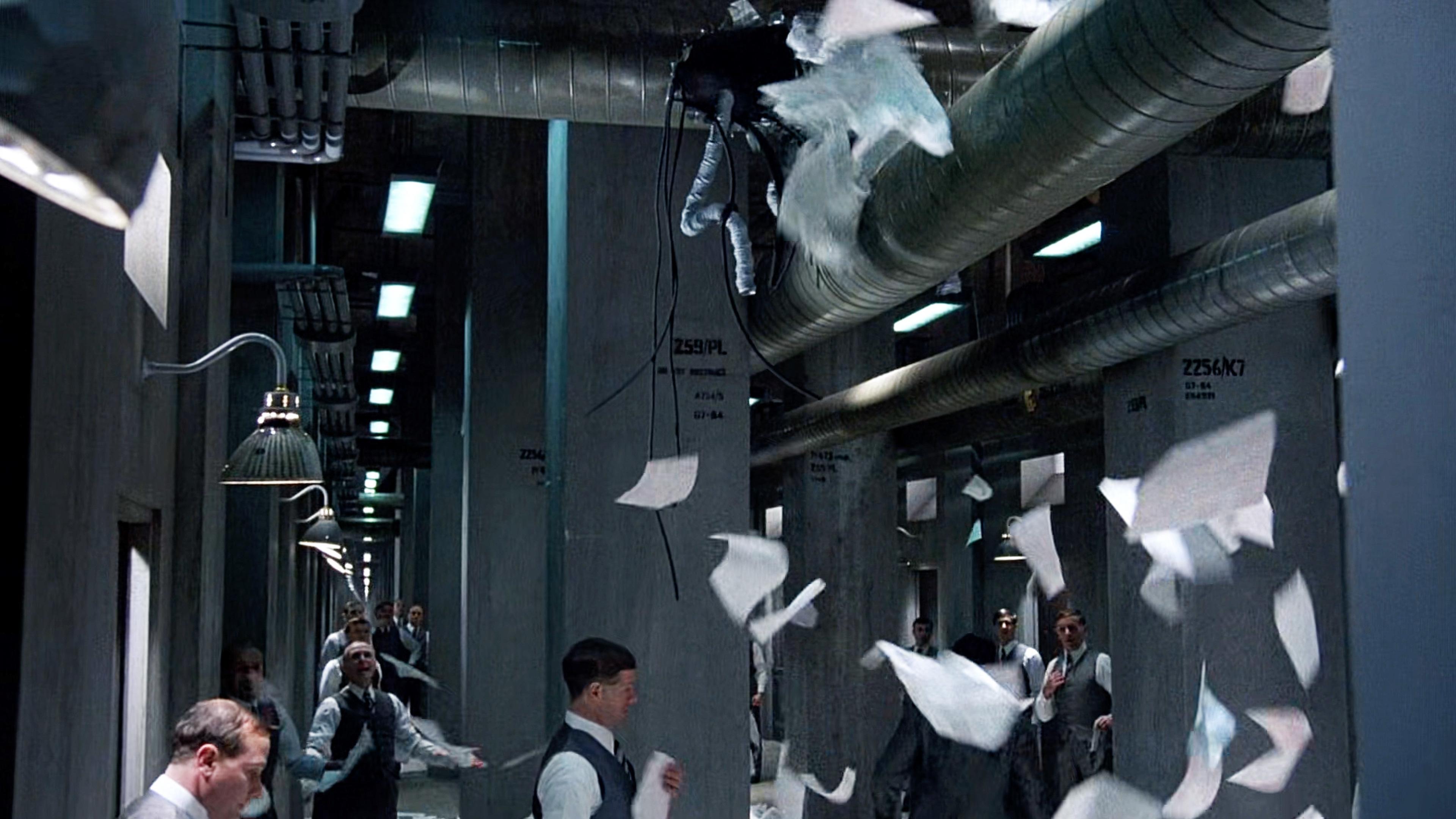
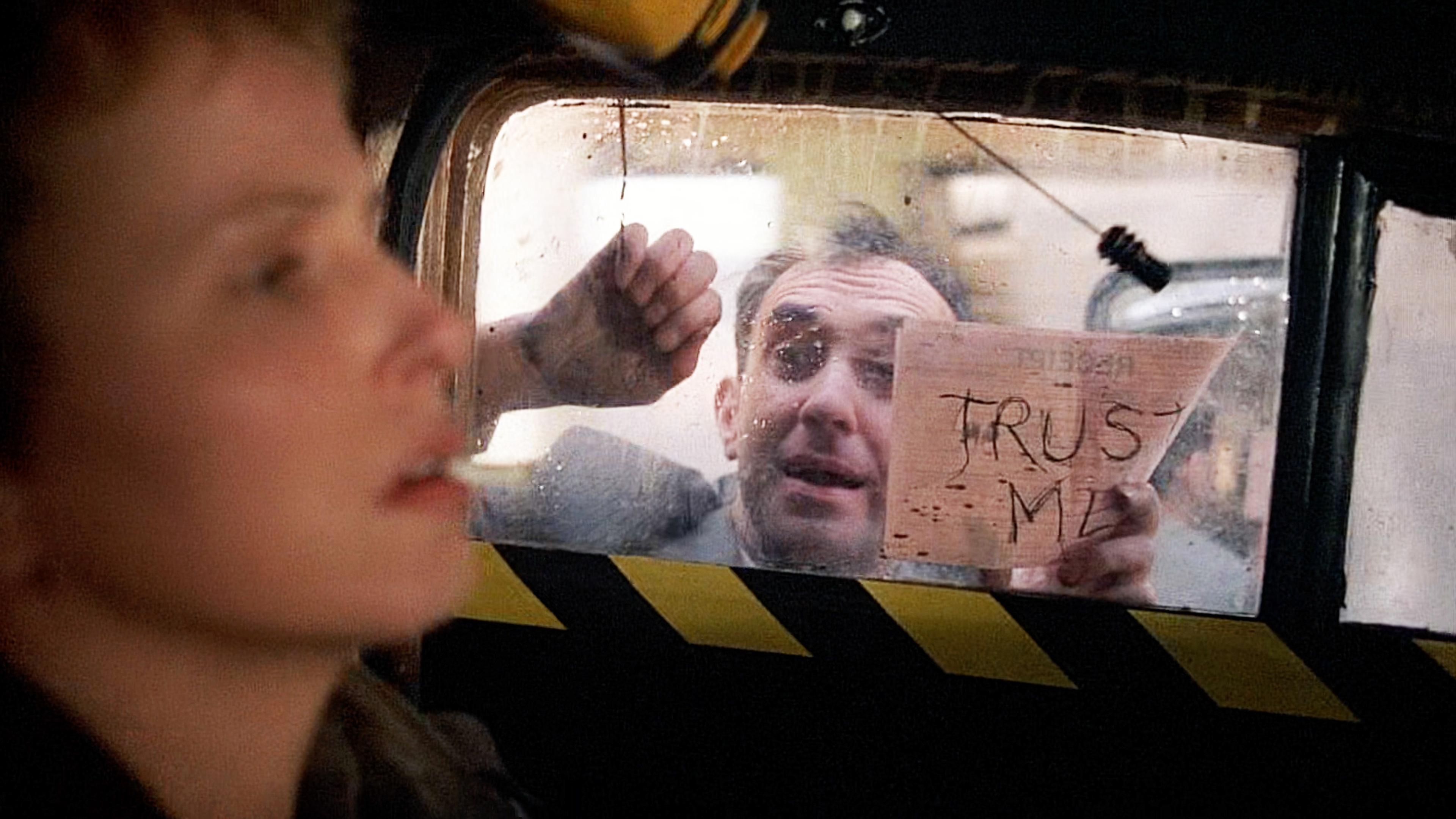
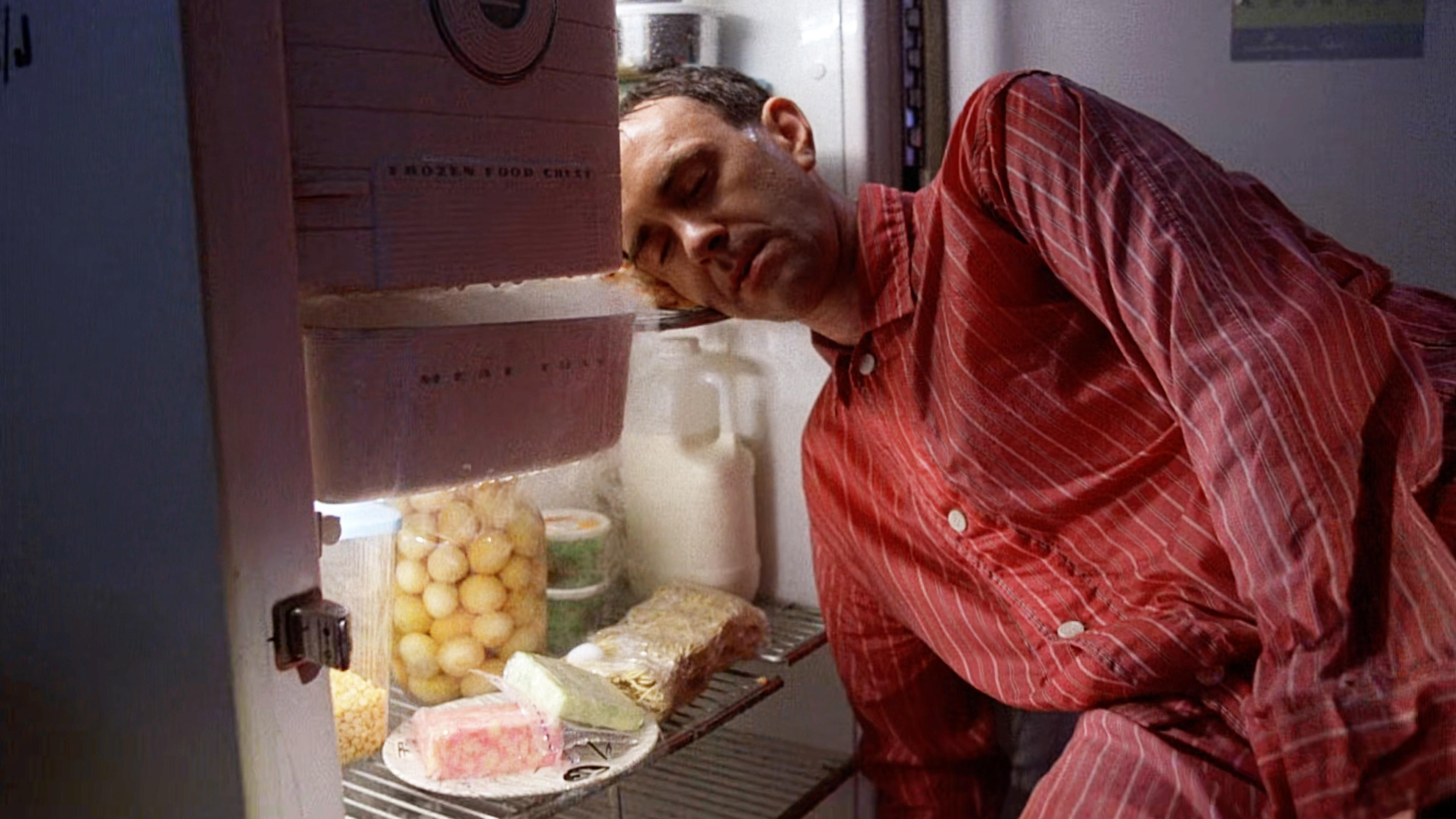
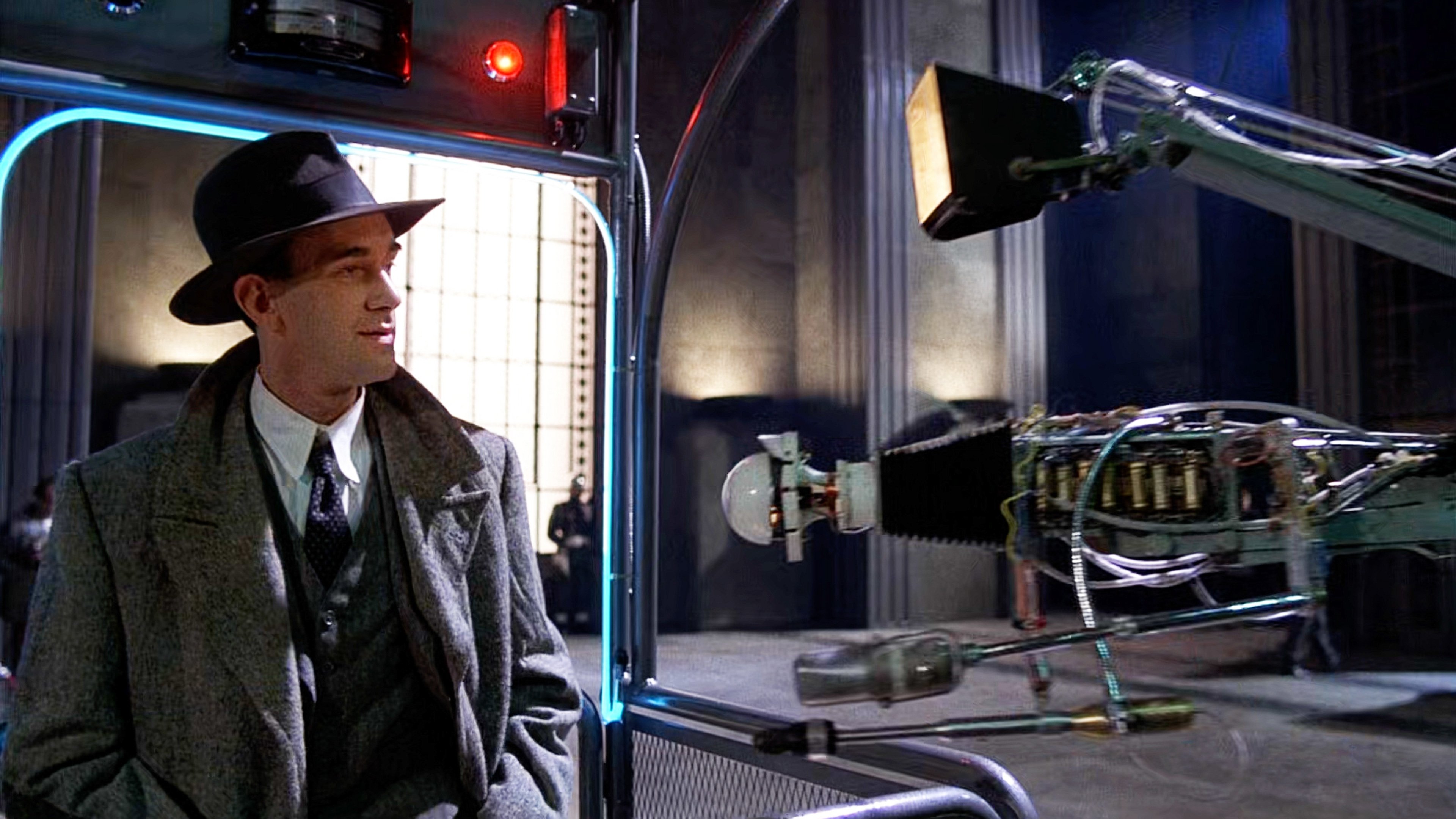
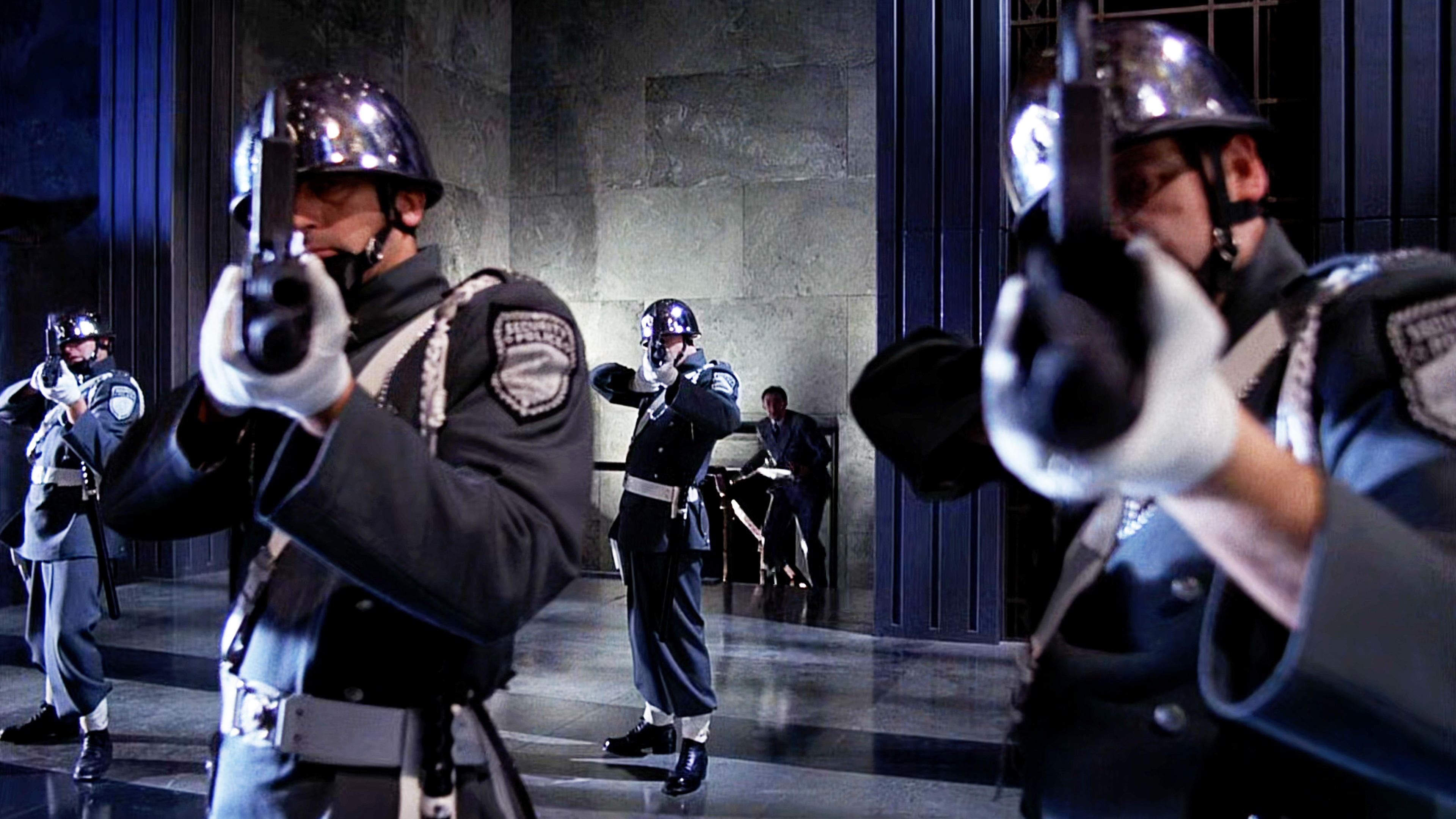
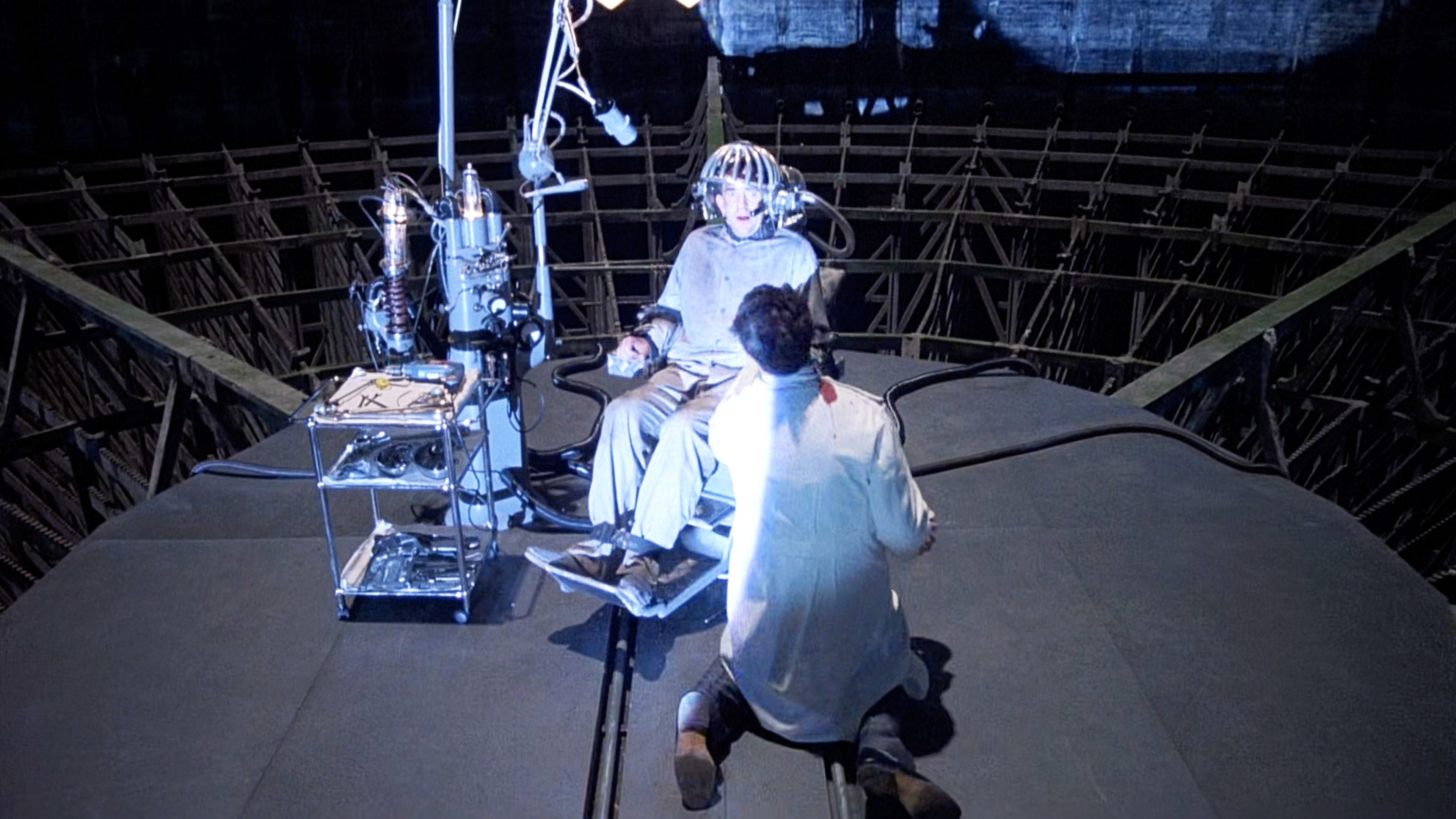
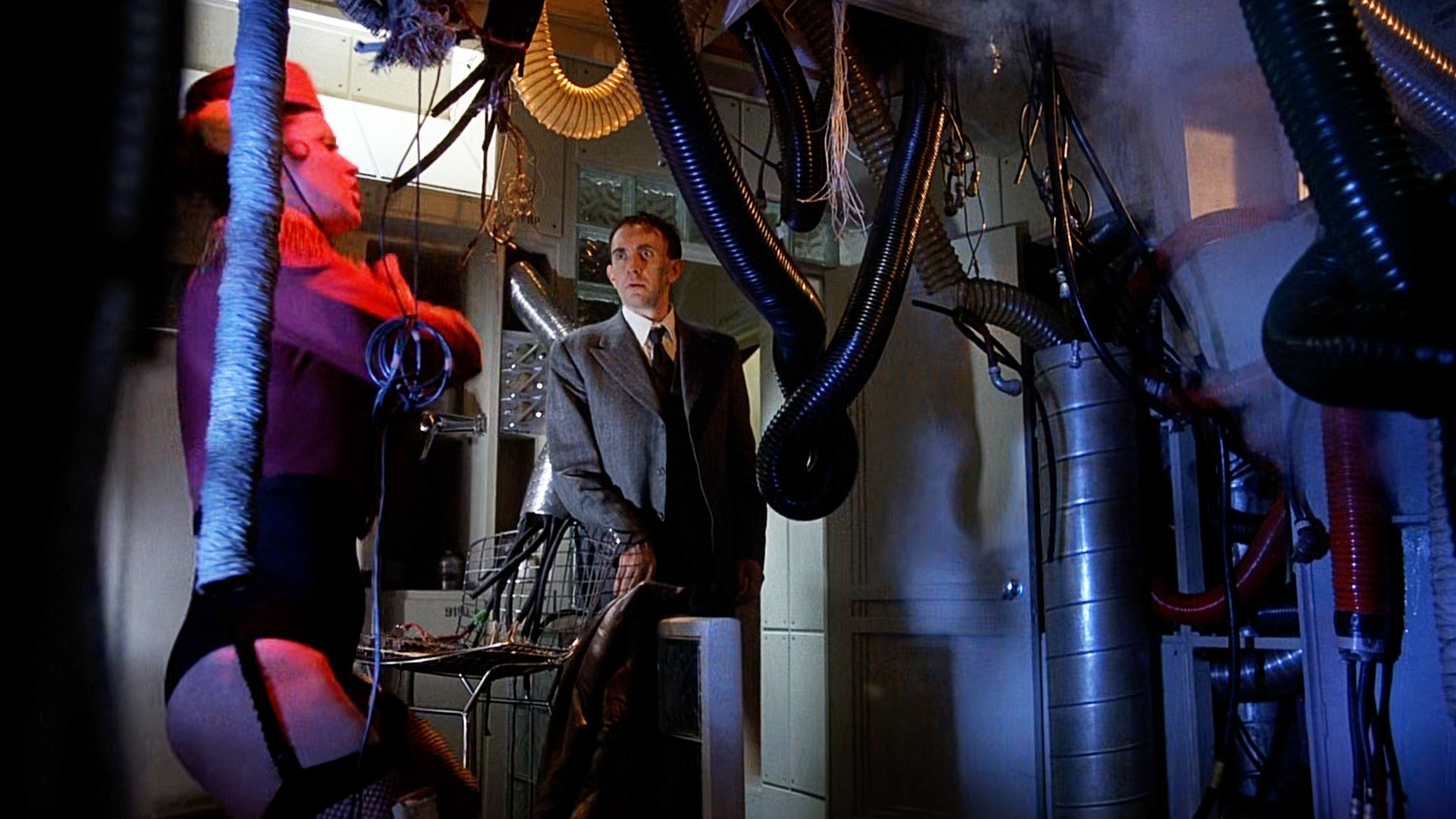
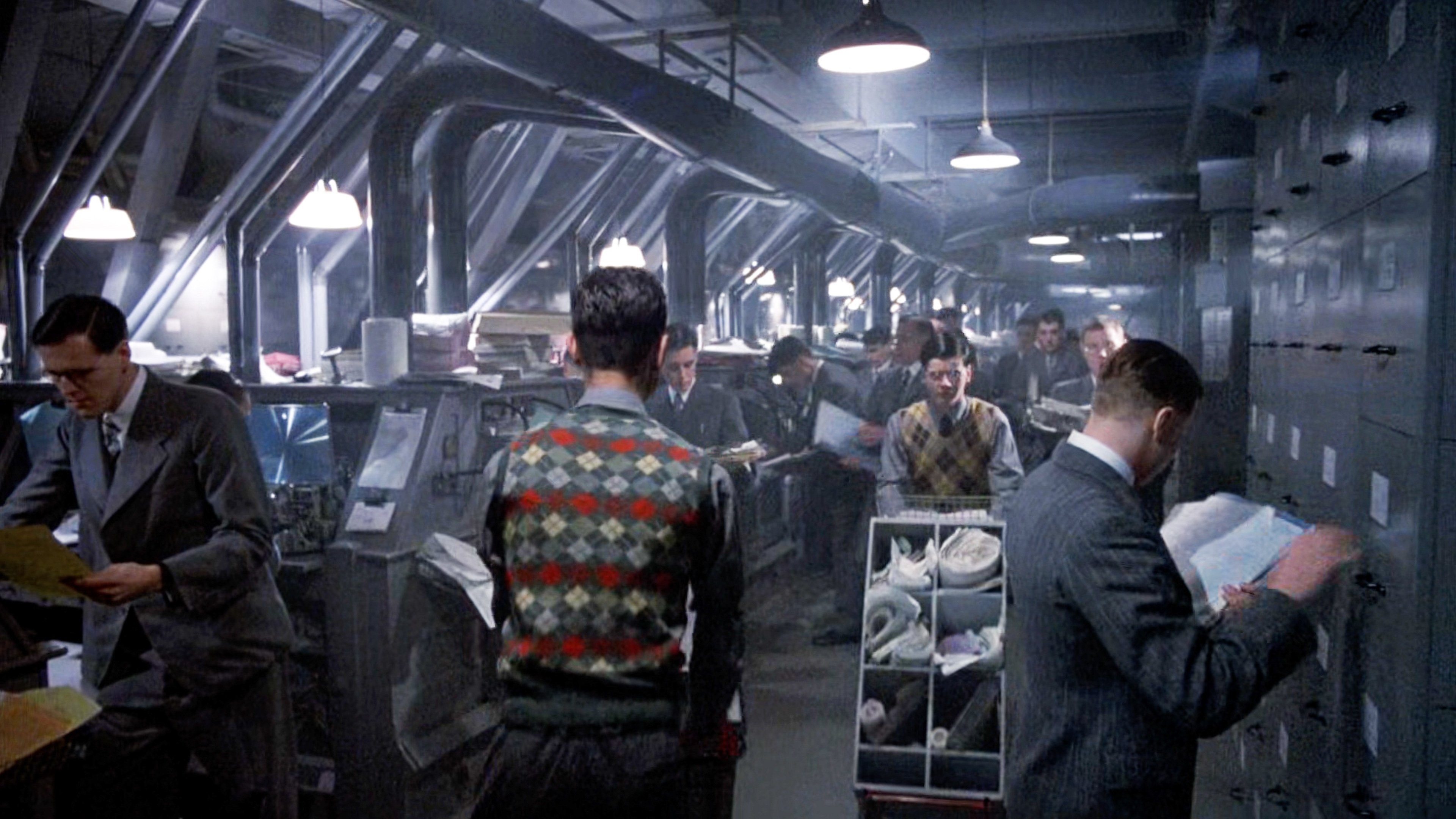
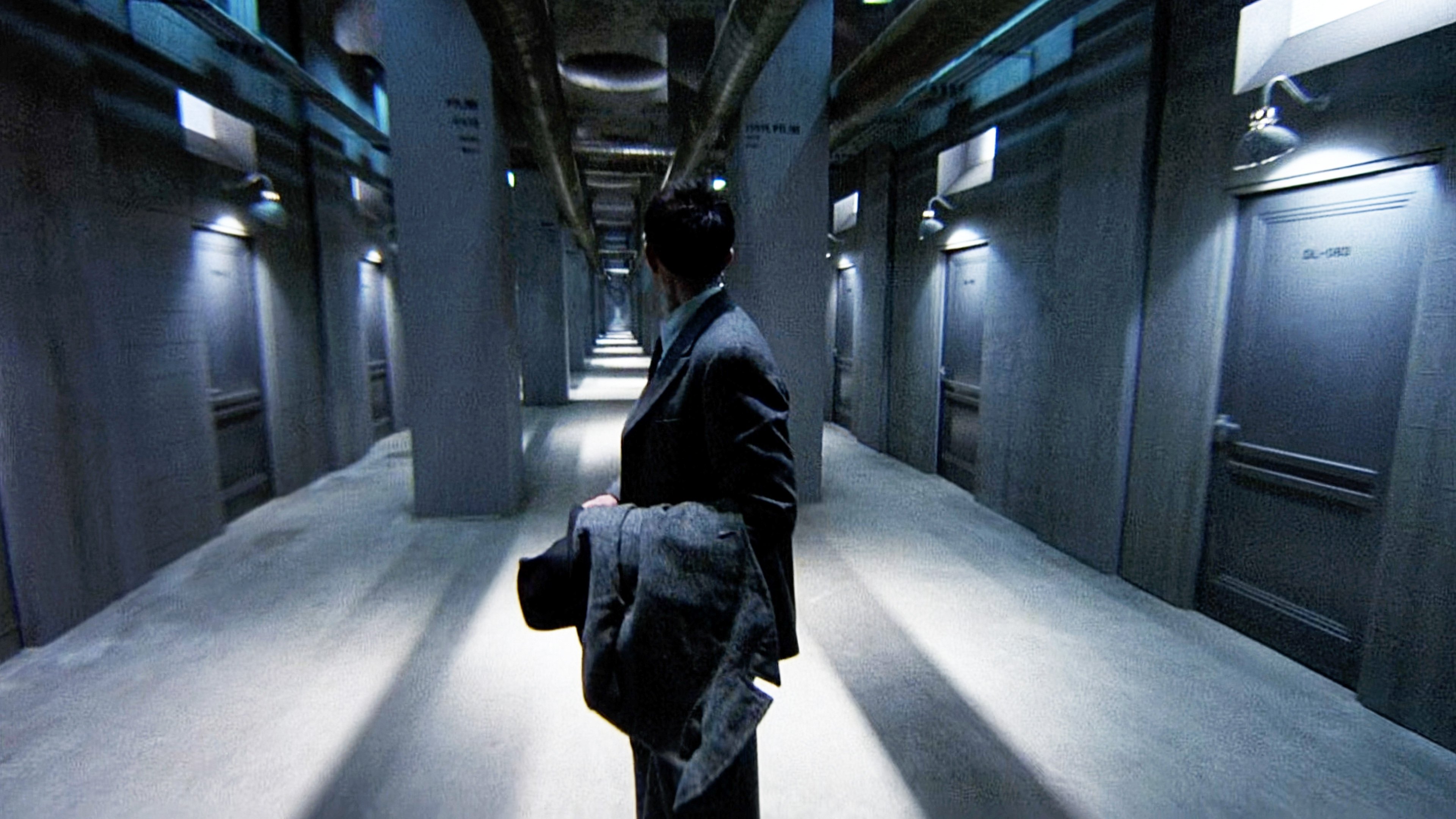
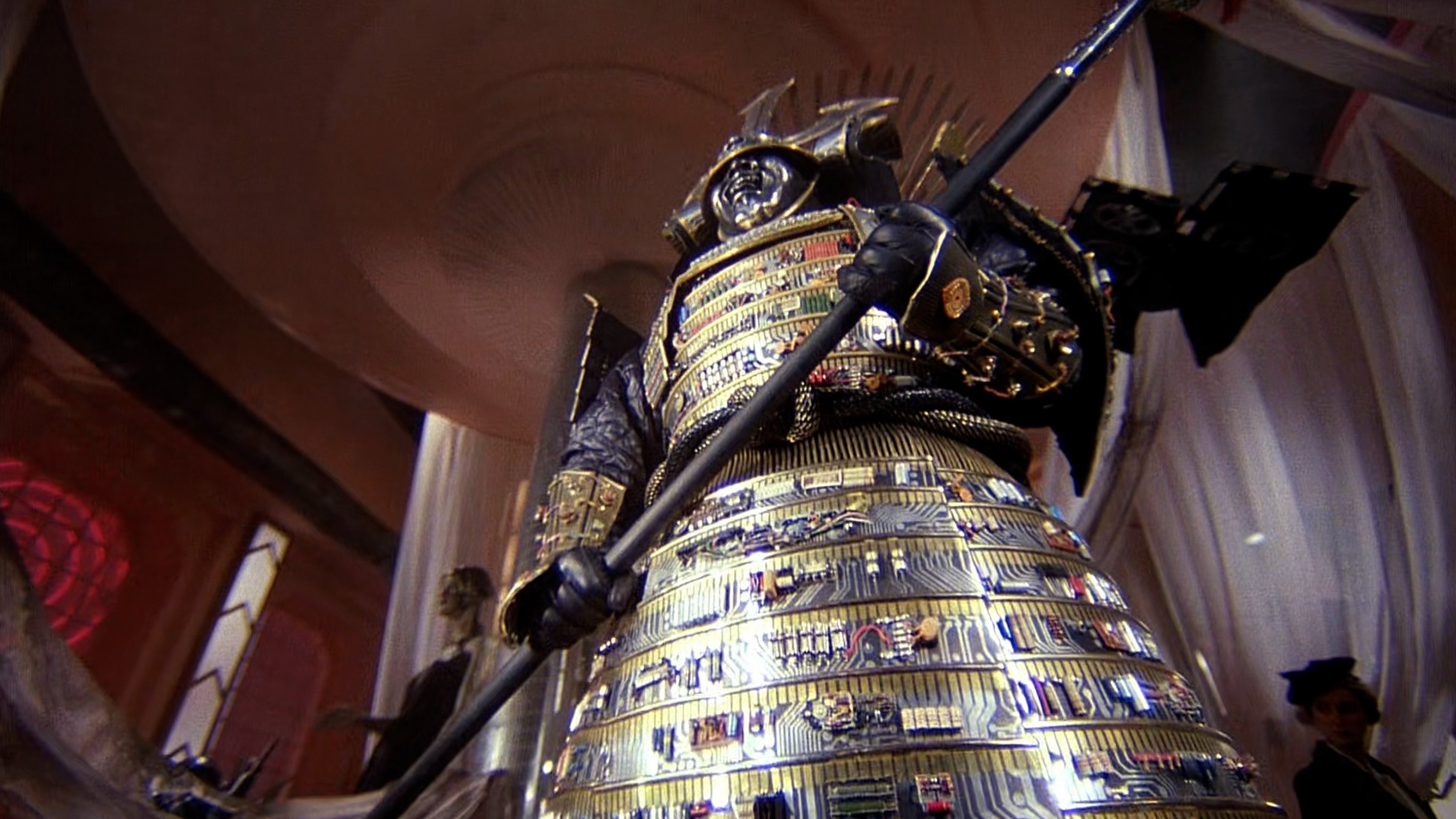
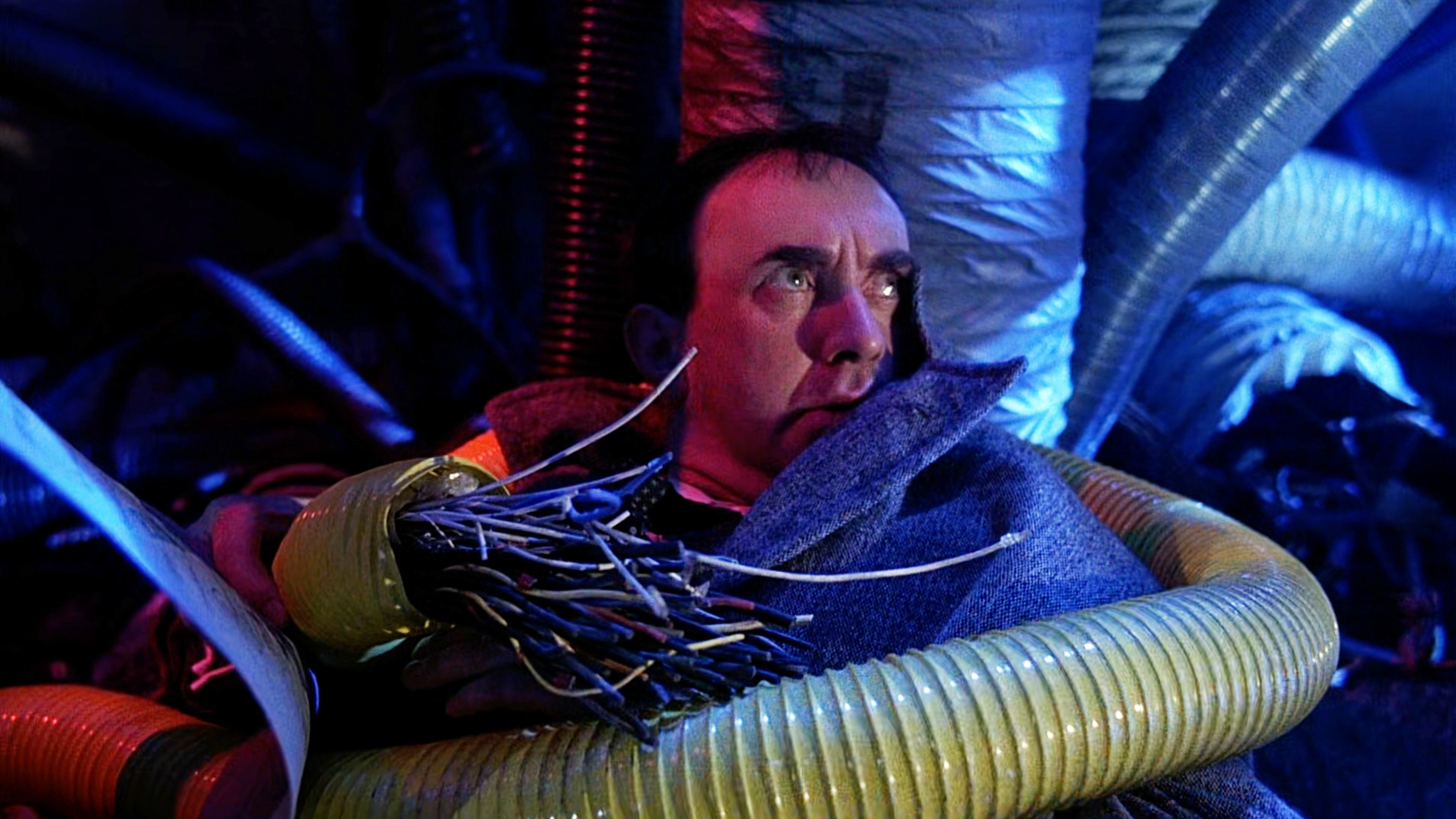
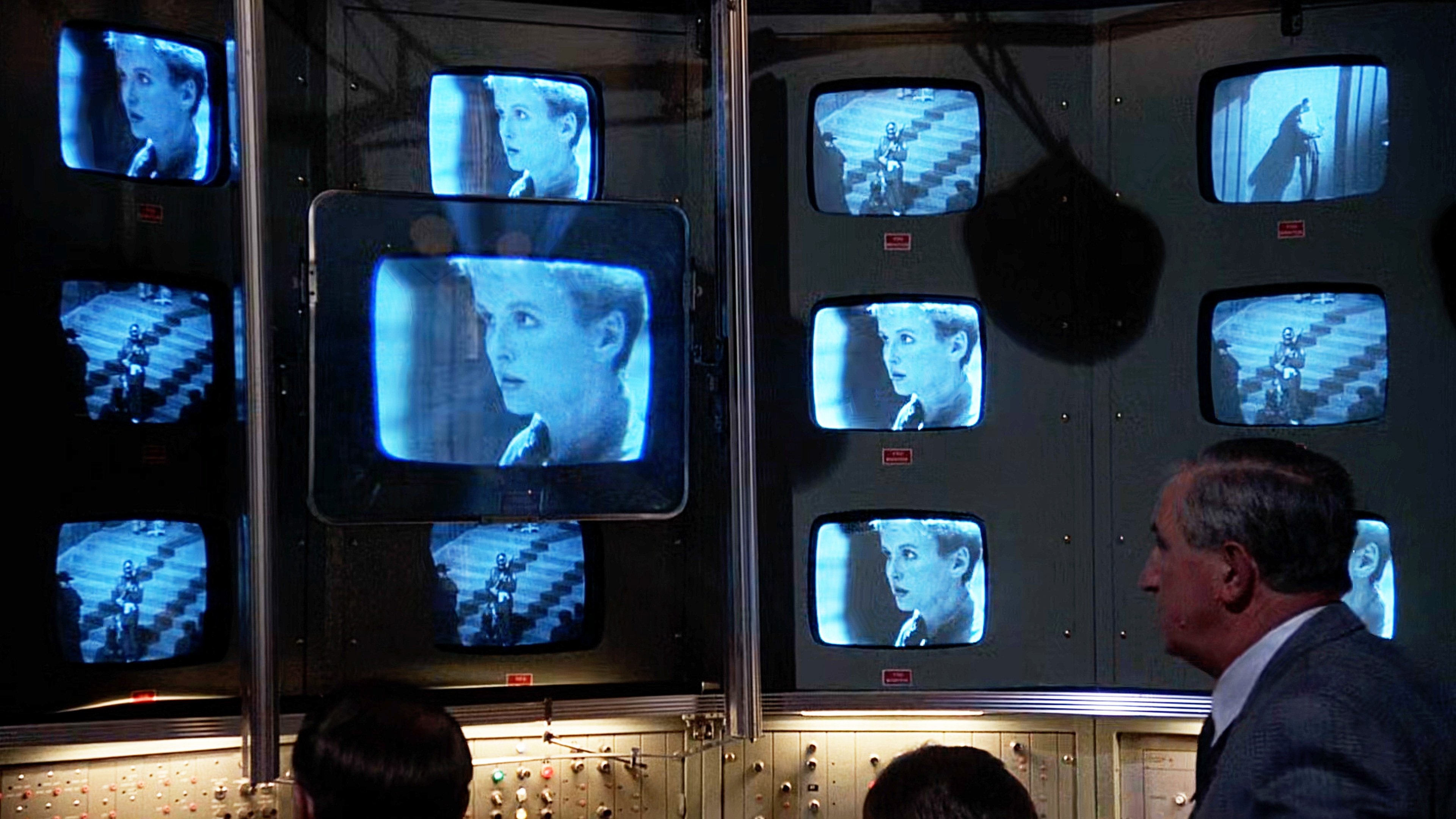
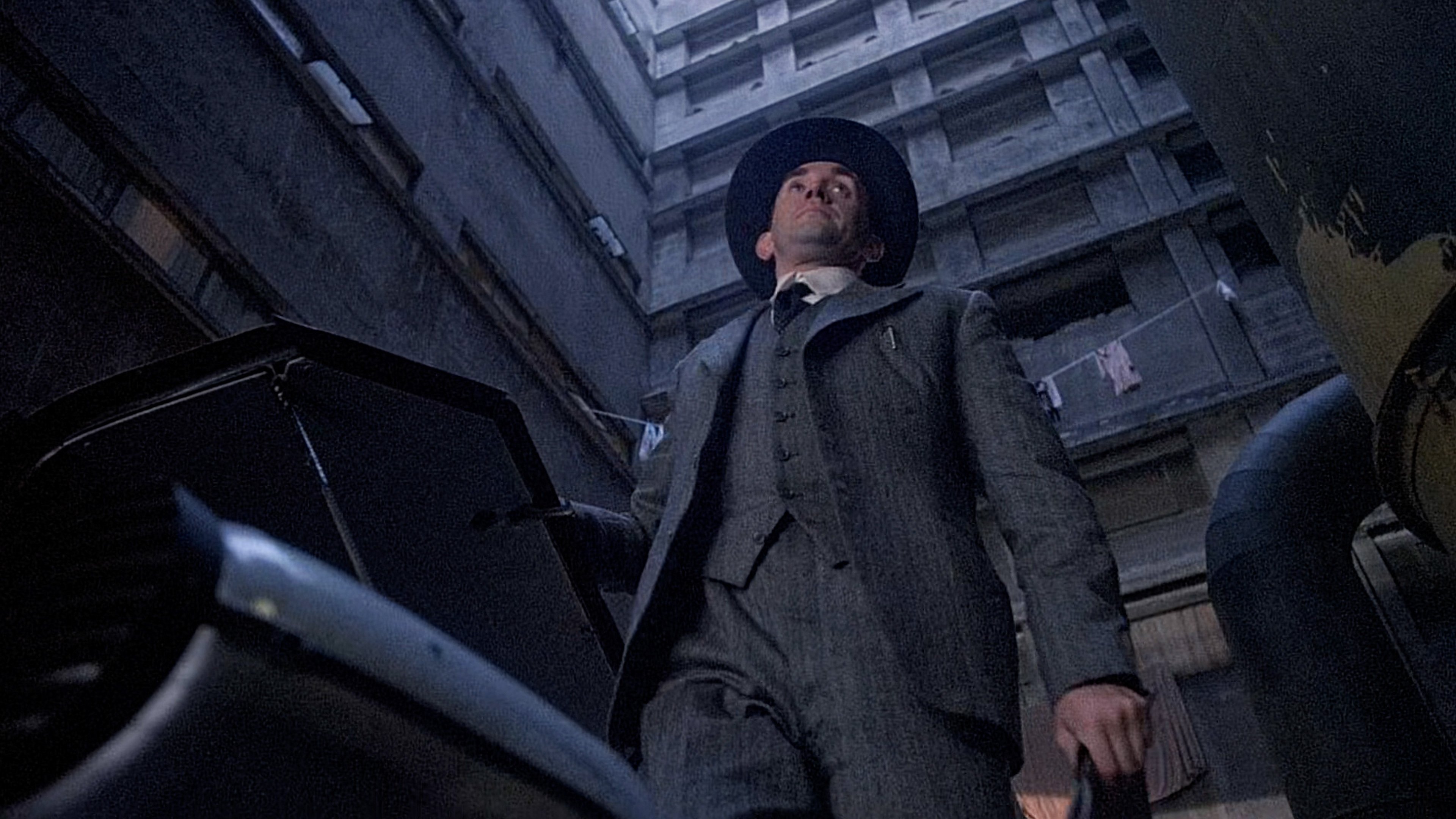
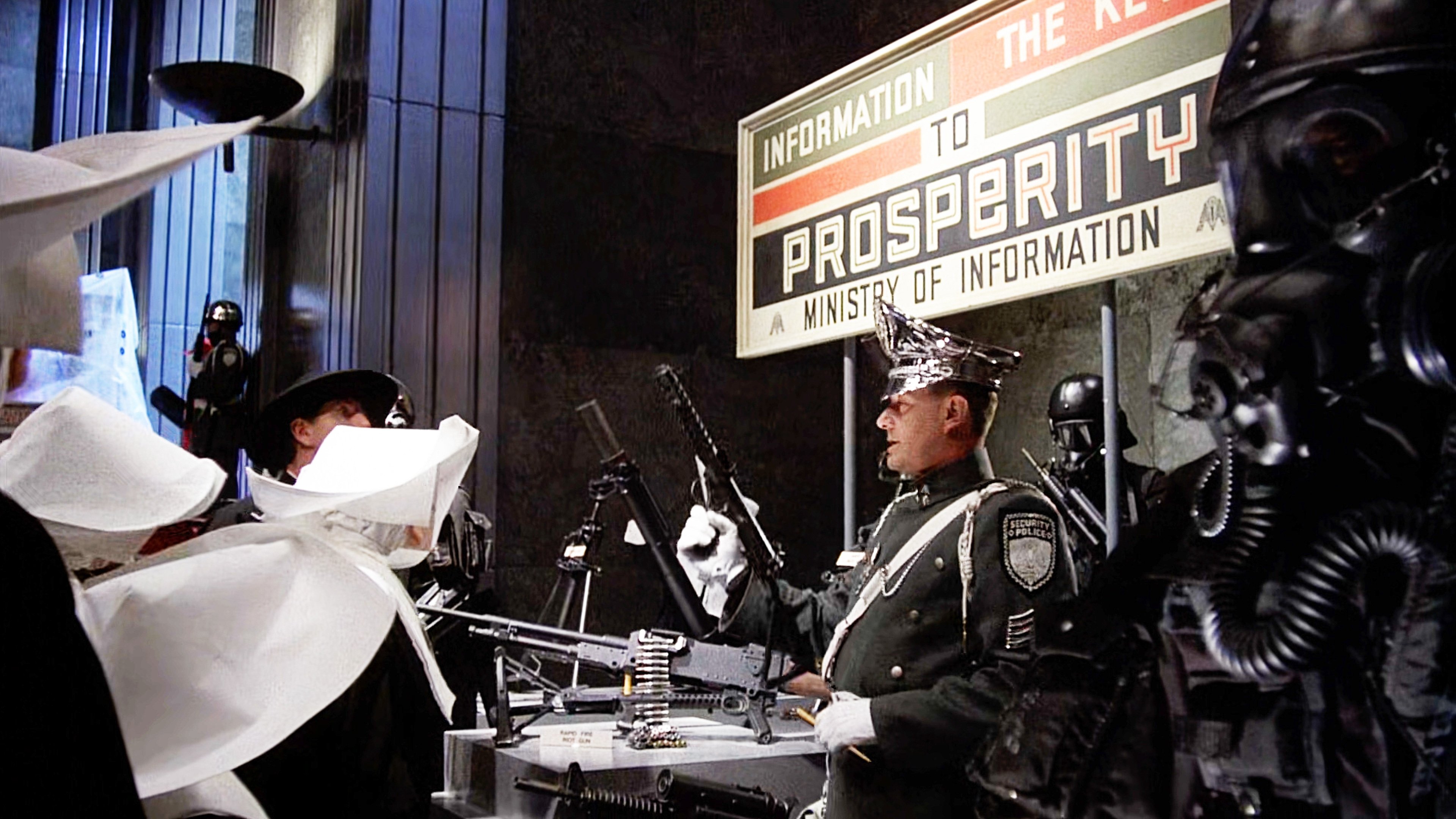
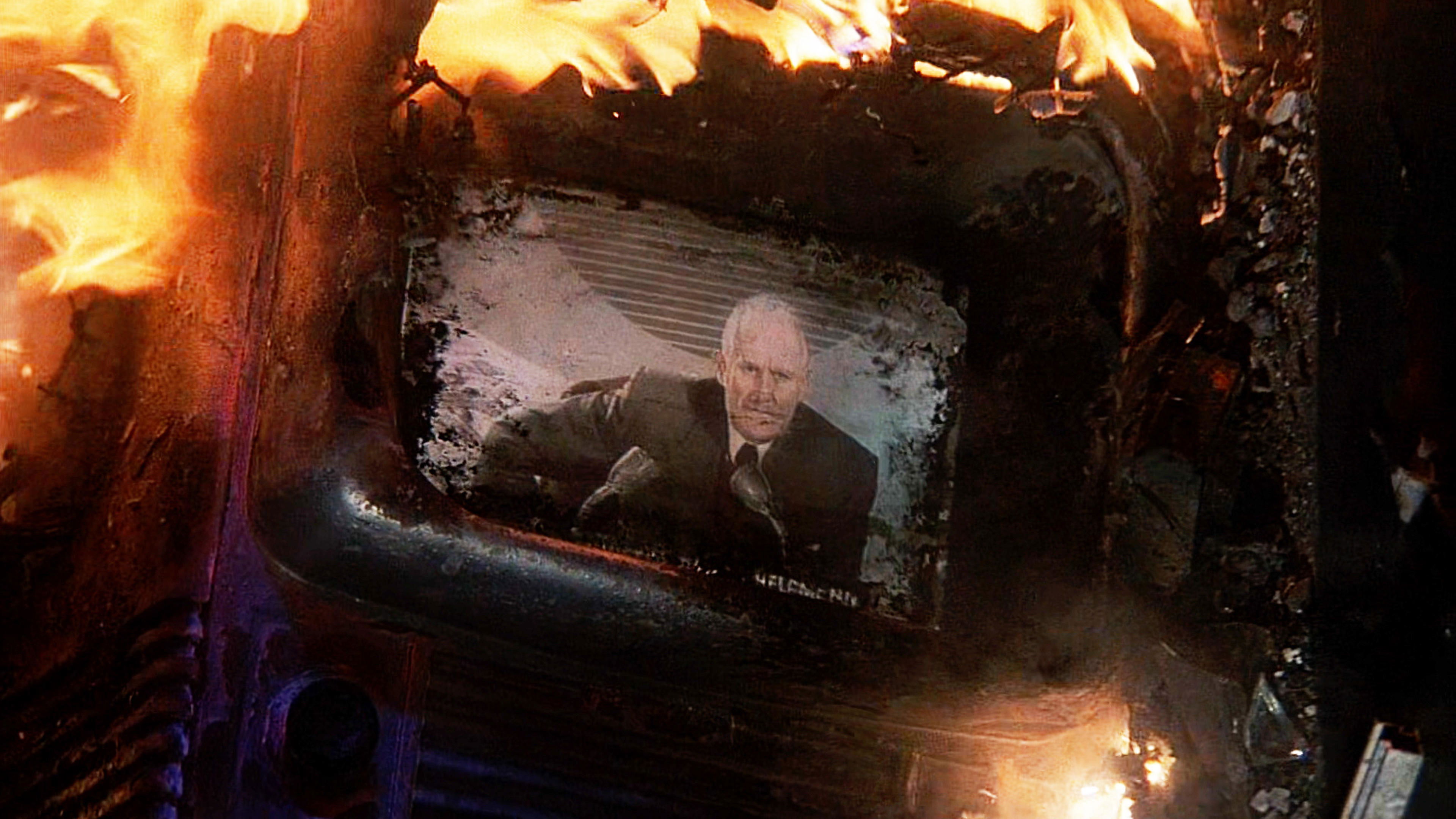
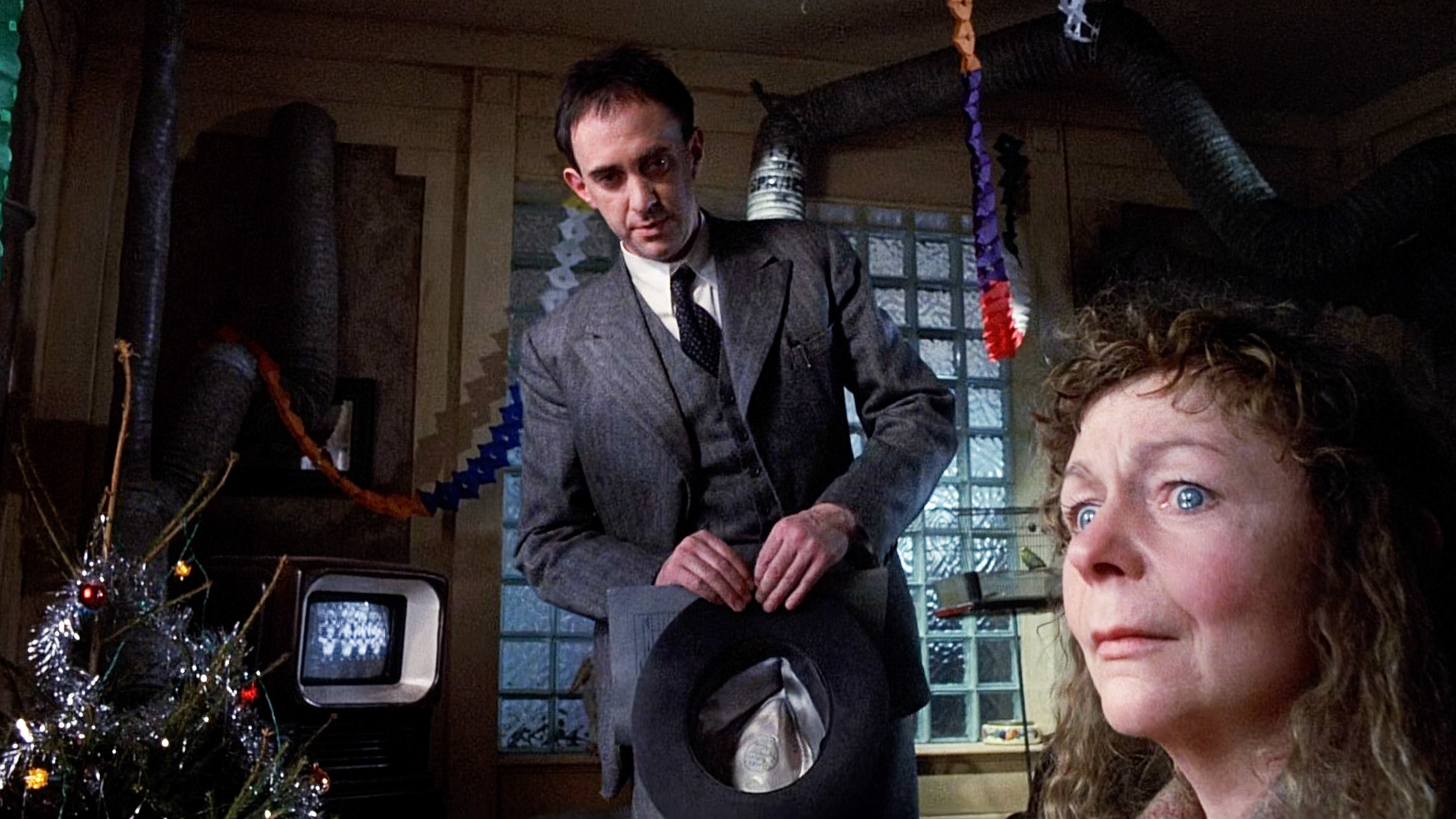
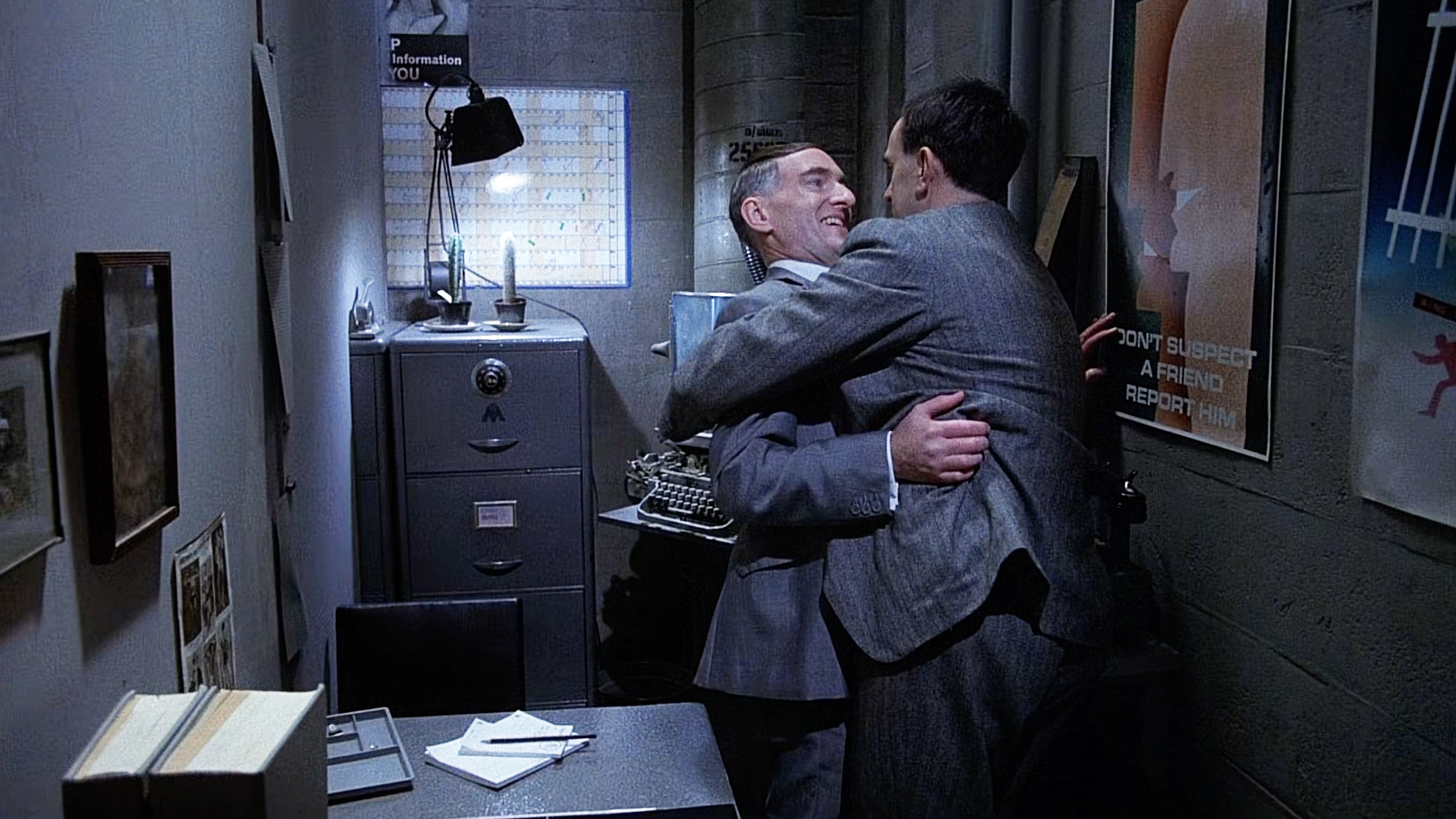
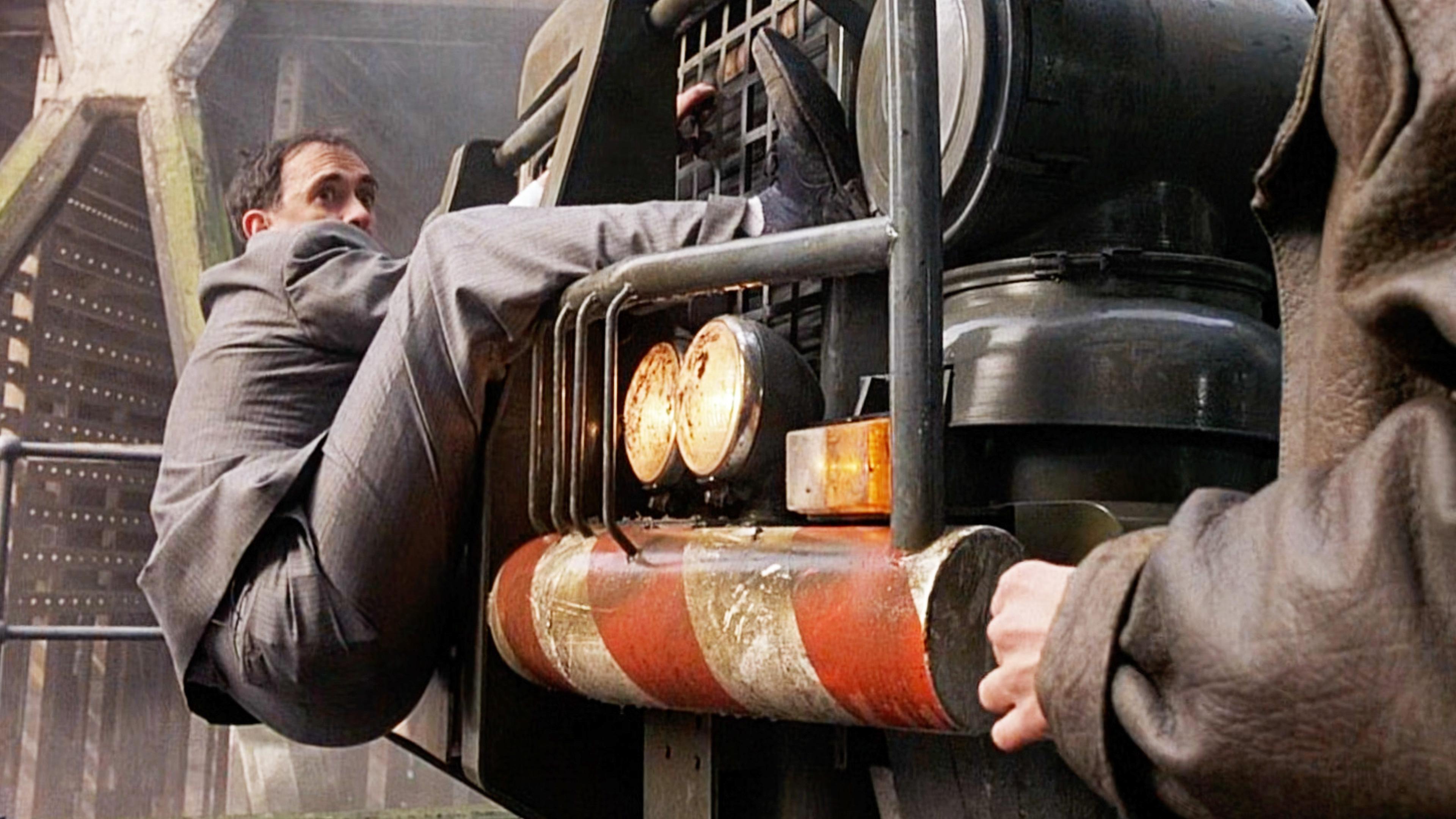
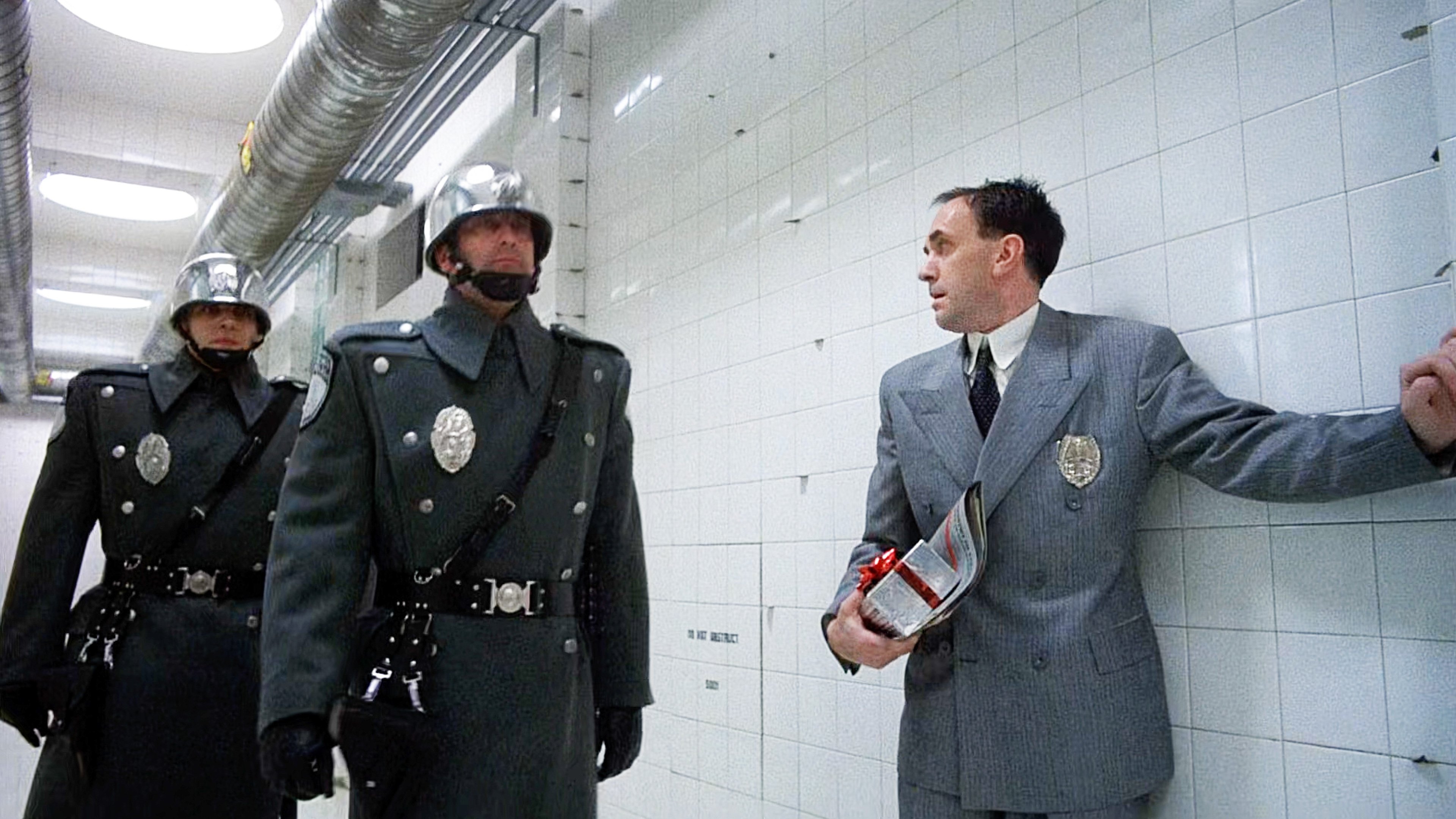
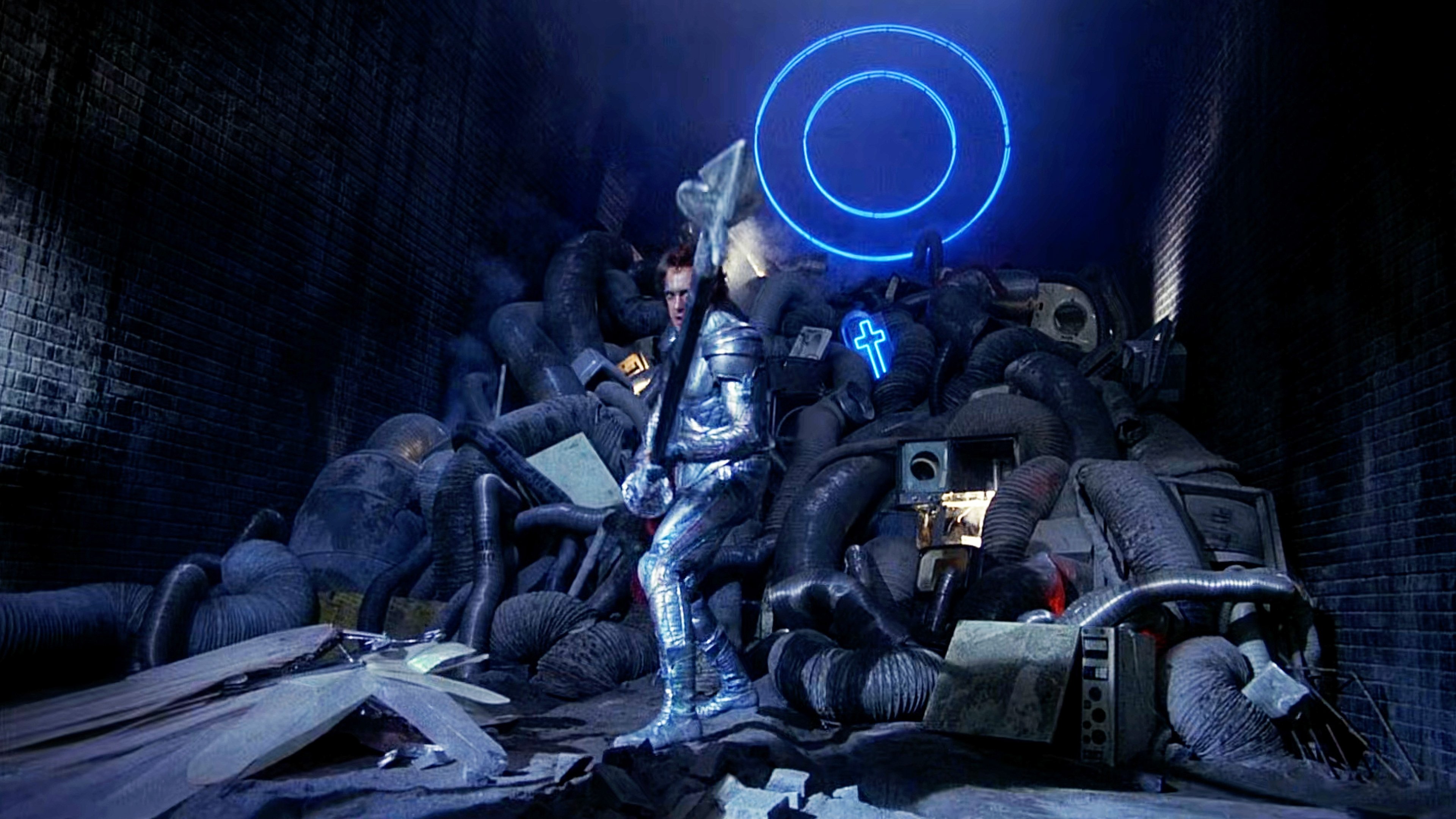
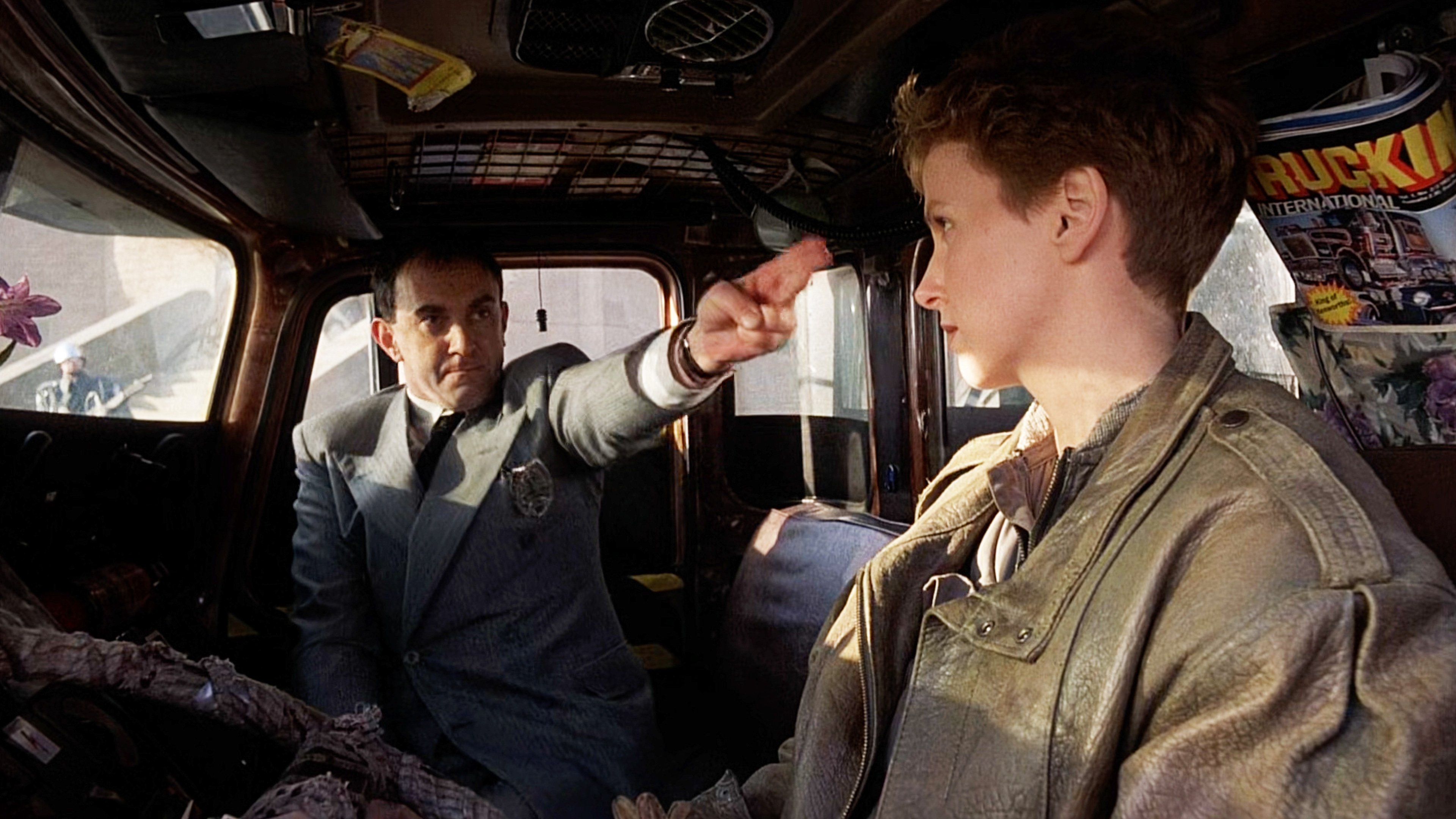
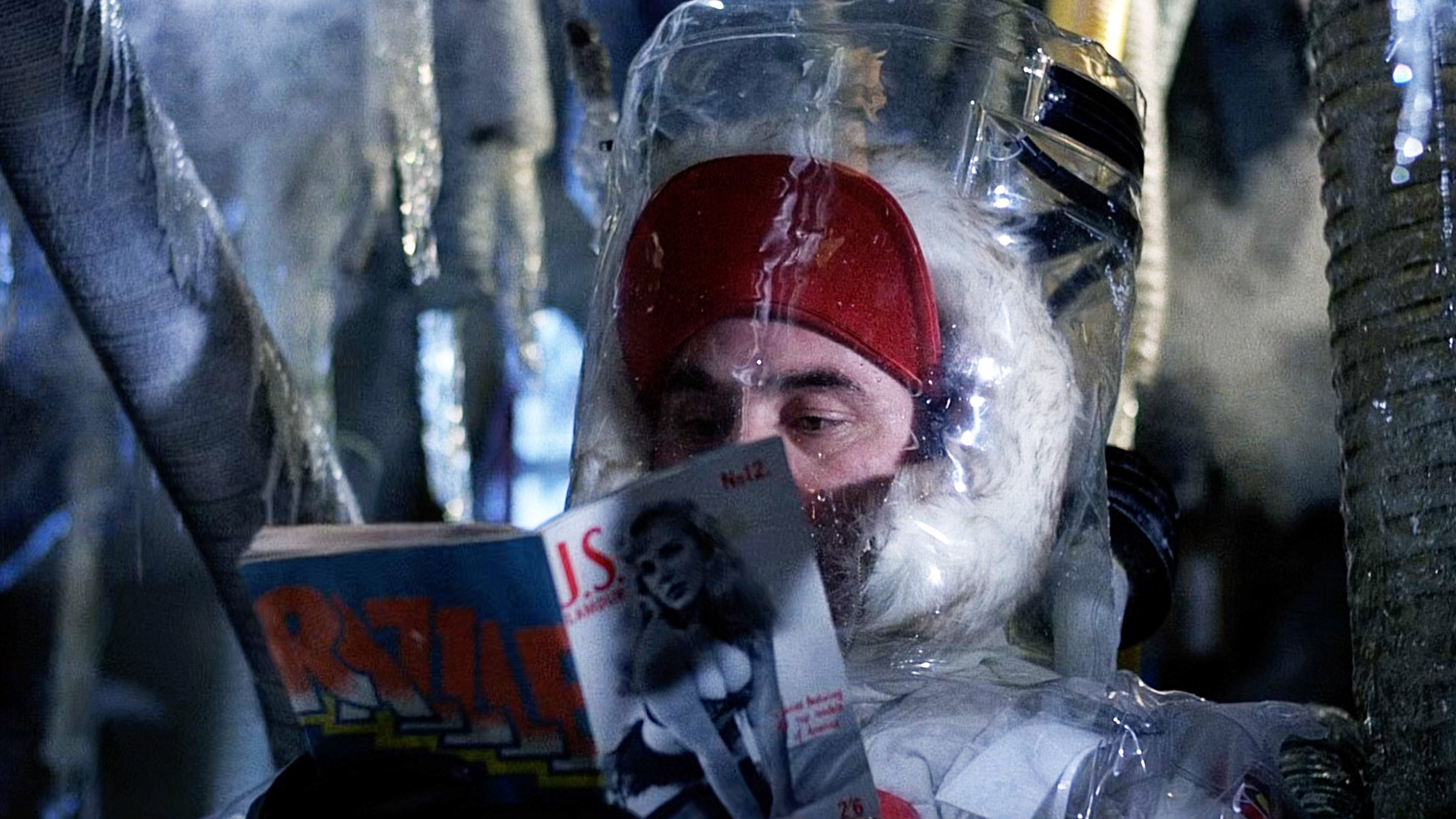
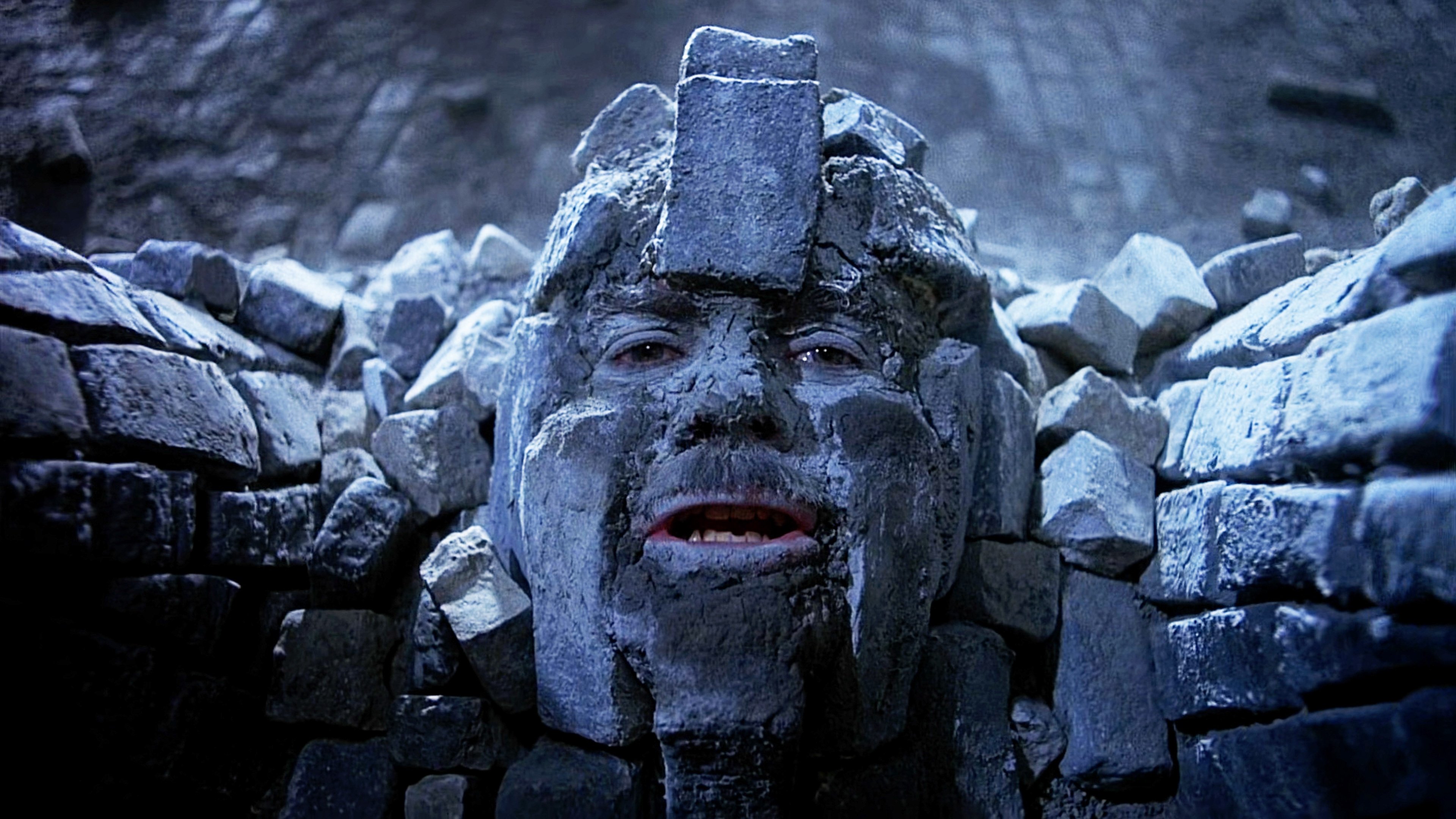
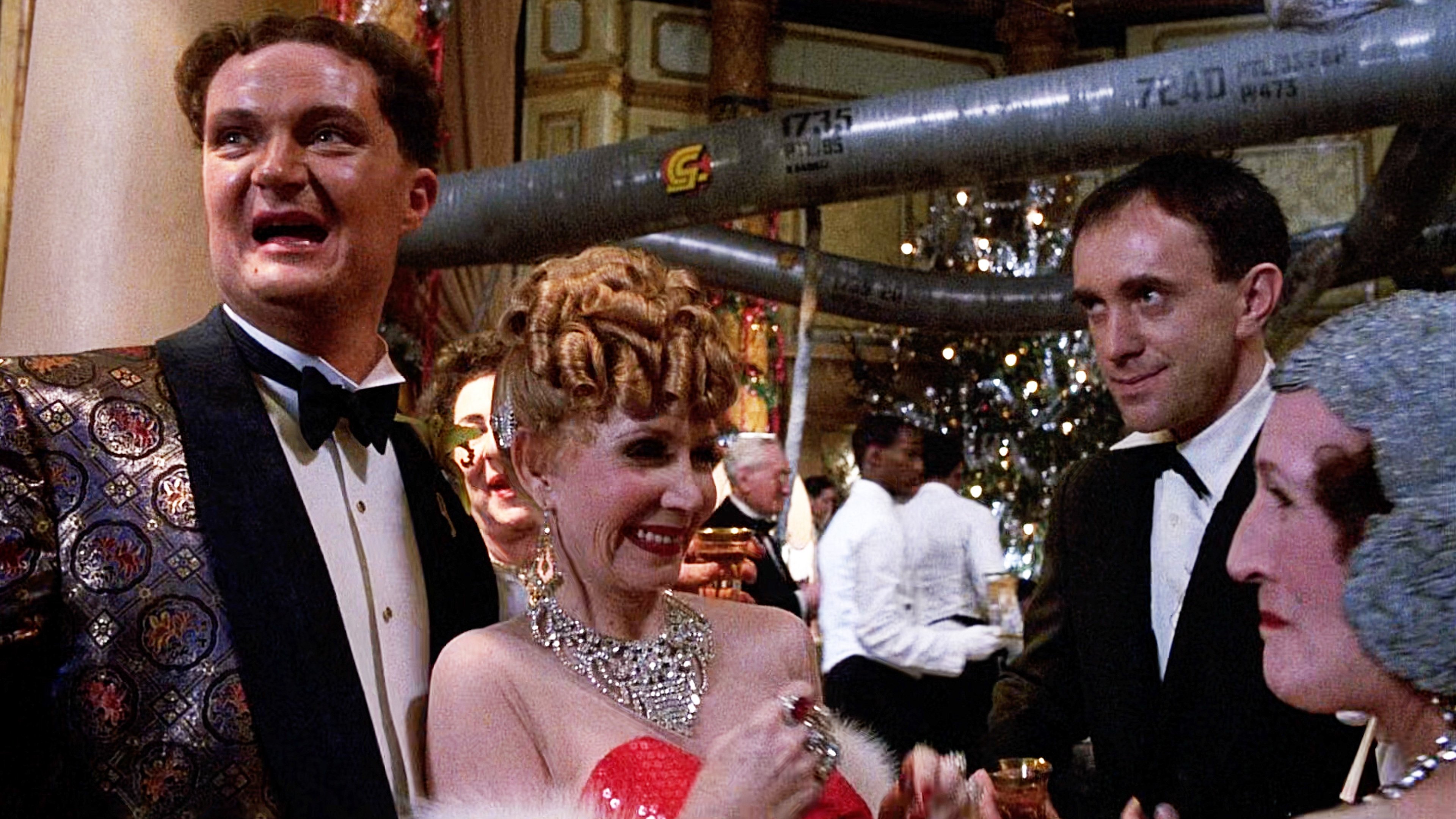
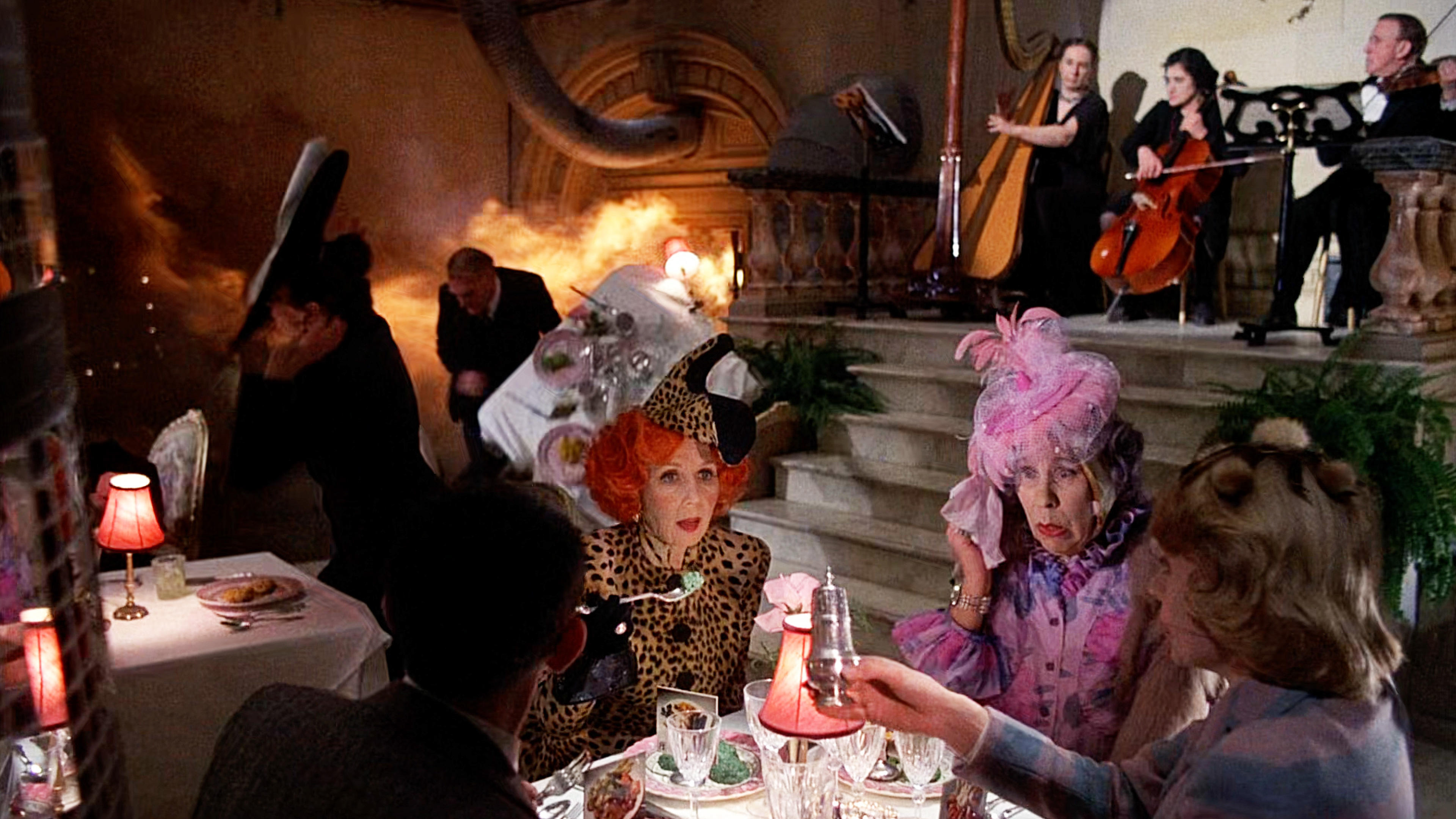
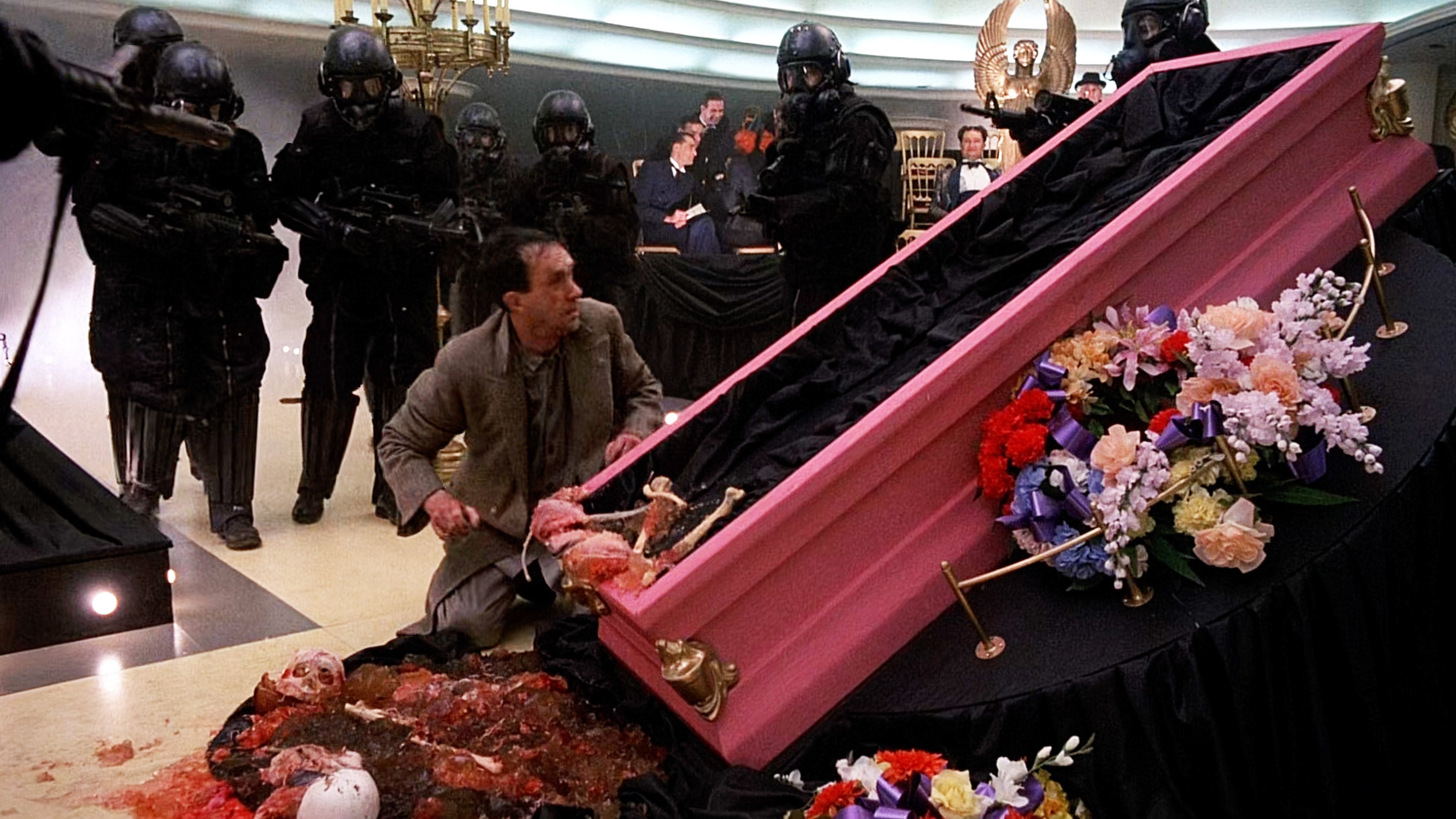
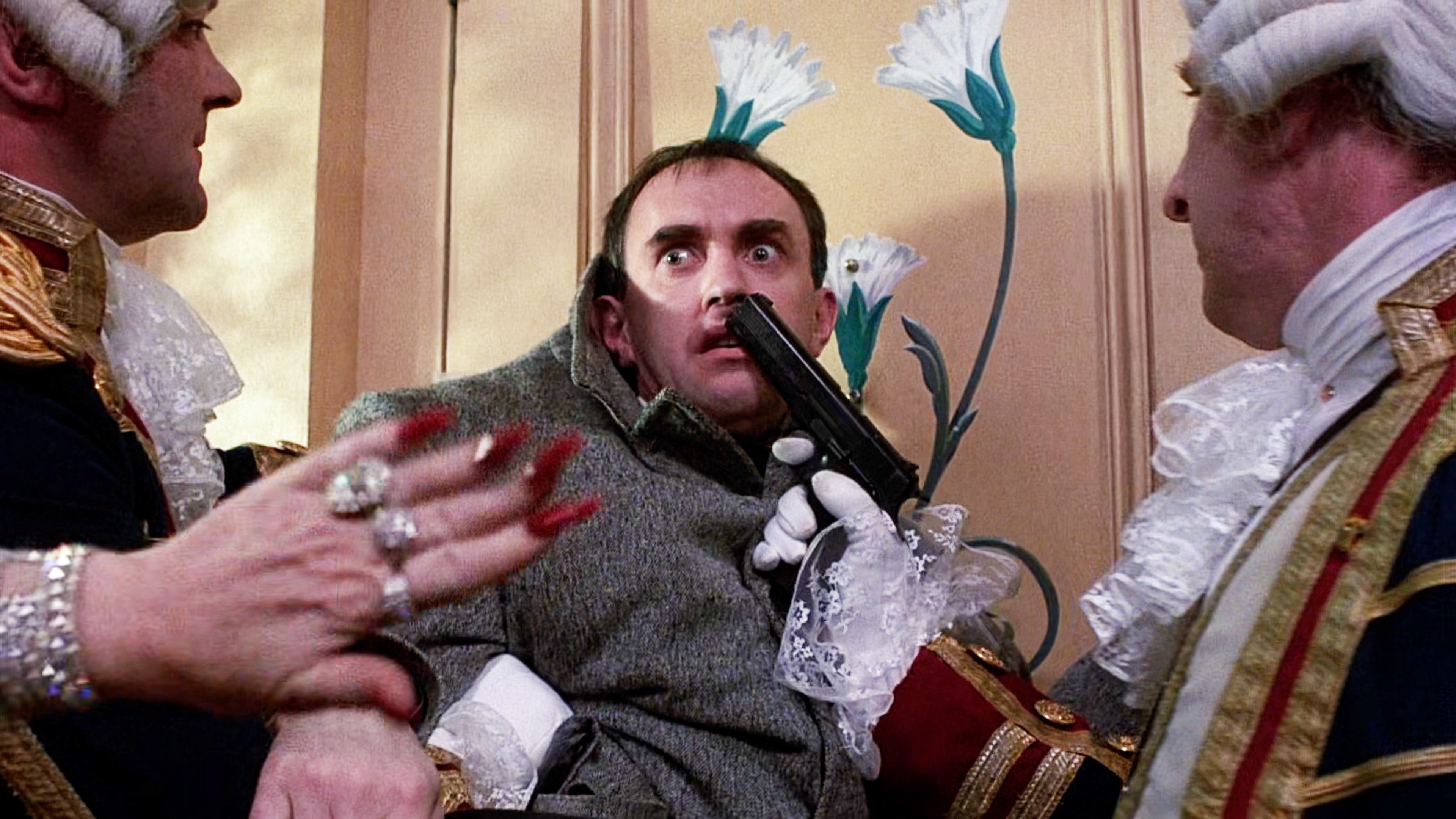
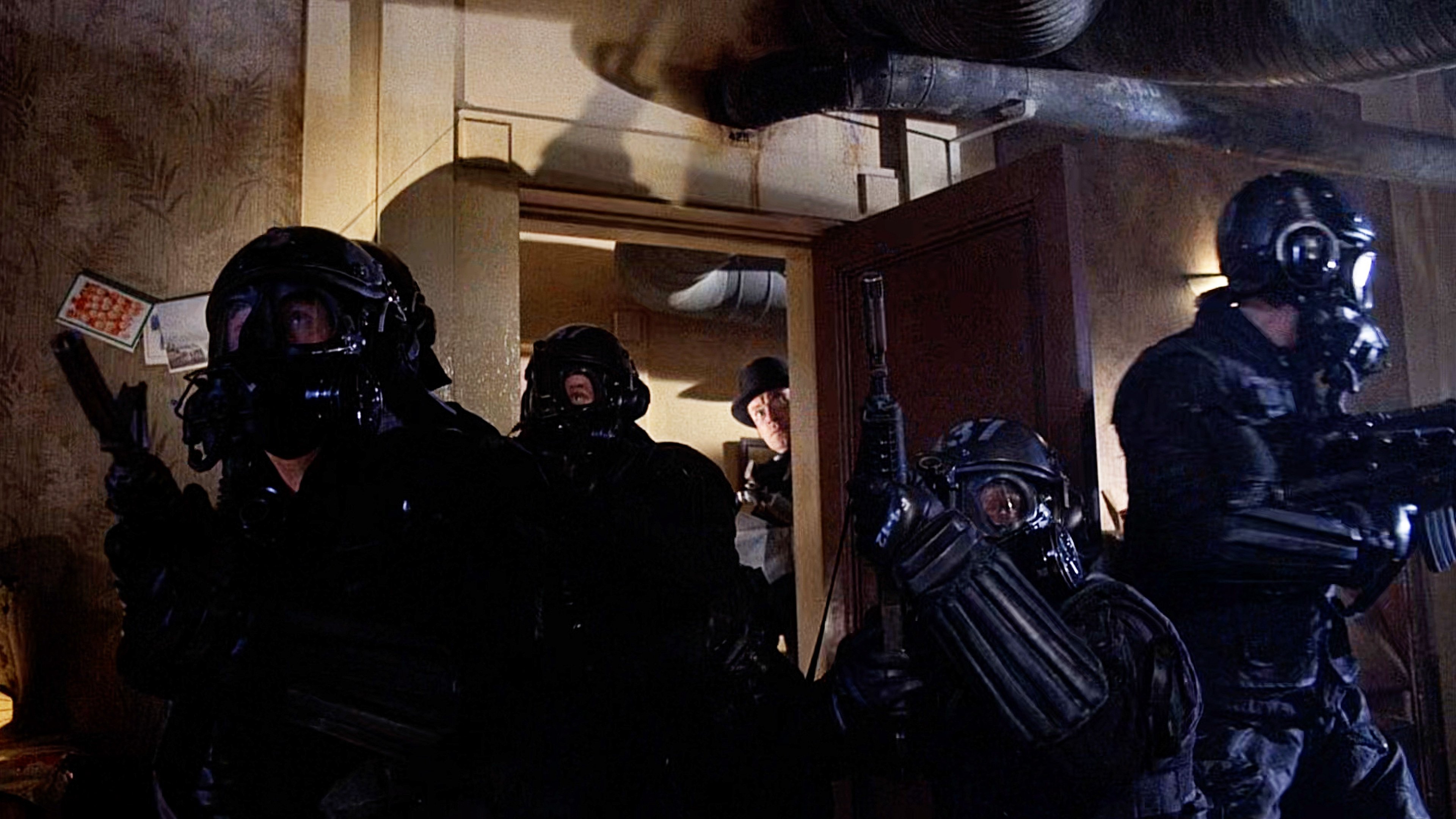
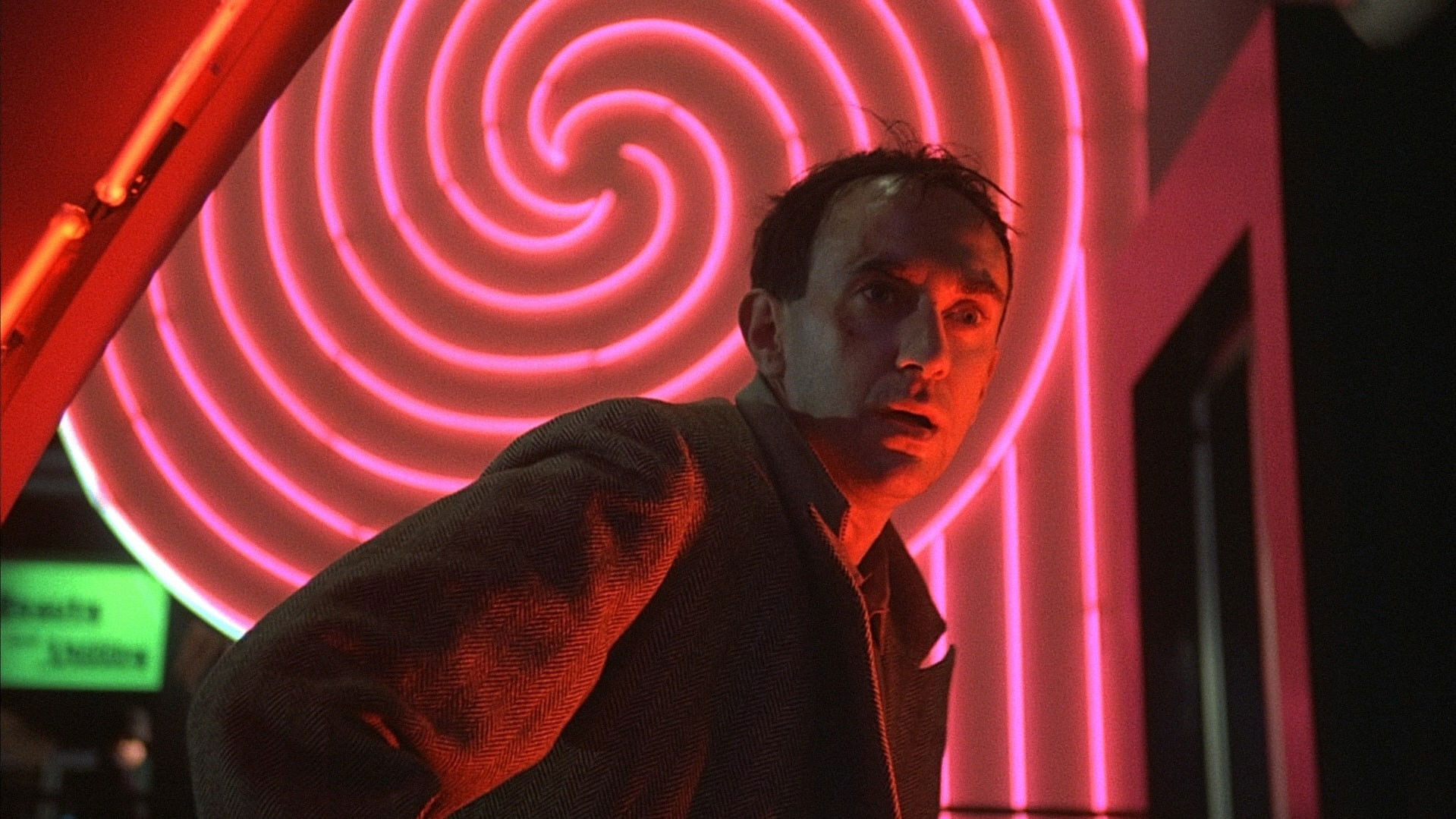
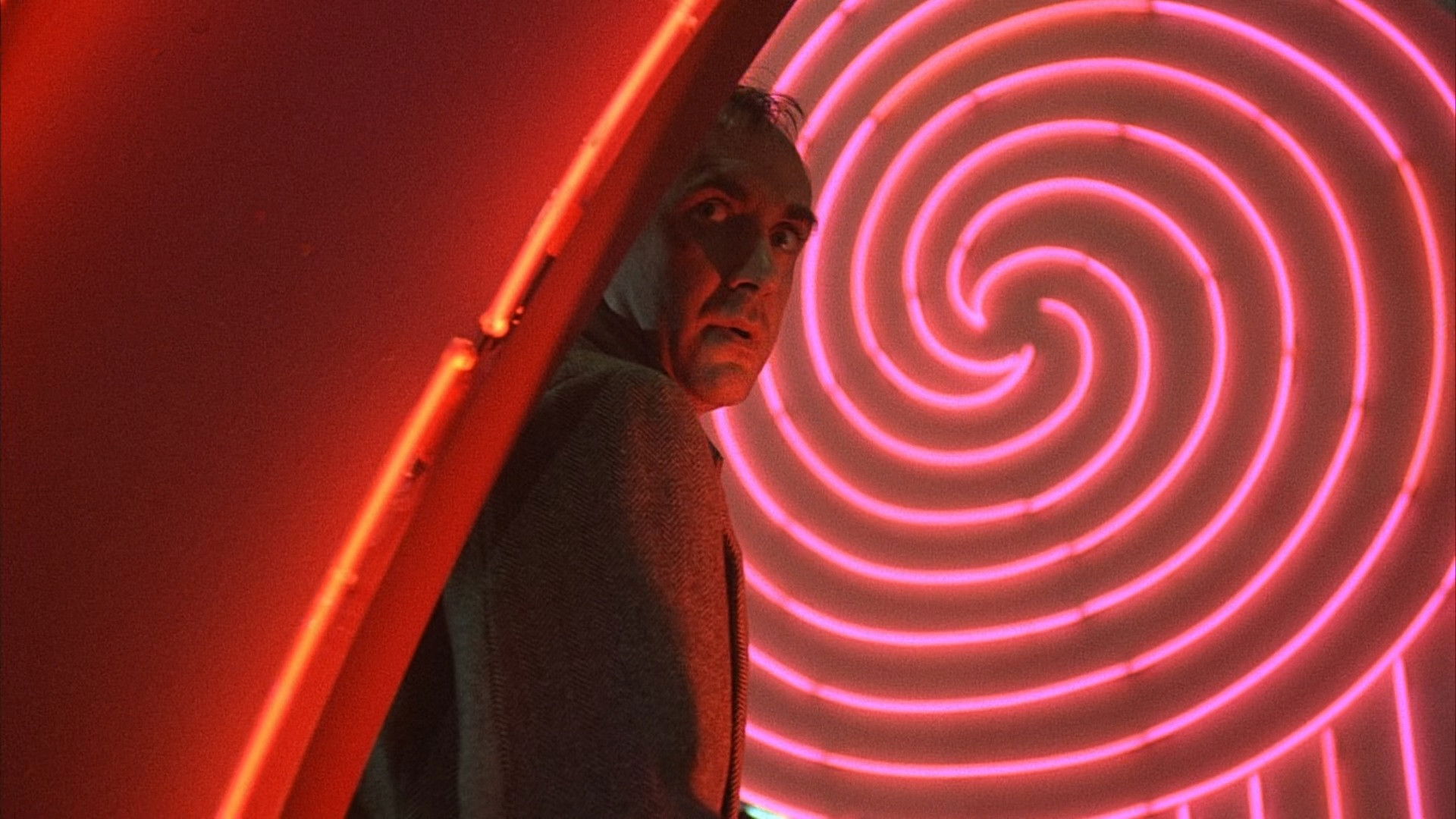
We find ourselves in a bizarre and unnecessarily complex, futuristic world. Government employee Sam Lowrey is an overwhelmed statistician trapped in a web of bureaucracy and technology. He finds his escape and peace in dreams that isolate him from everything. In his dreams, he constantly saves the same woman. The real world Sam lives in is managed by a computer that sees and controls everything. When a young woman named Jill Layton is accused of being a terrorist, Sam, who regularly conducts error checks, realizes there is a mistake and recognizes her as the girl he keeps saving in his dreams.
Overview
Brazil: A Journey in the Absurd World of the Future
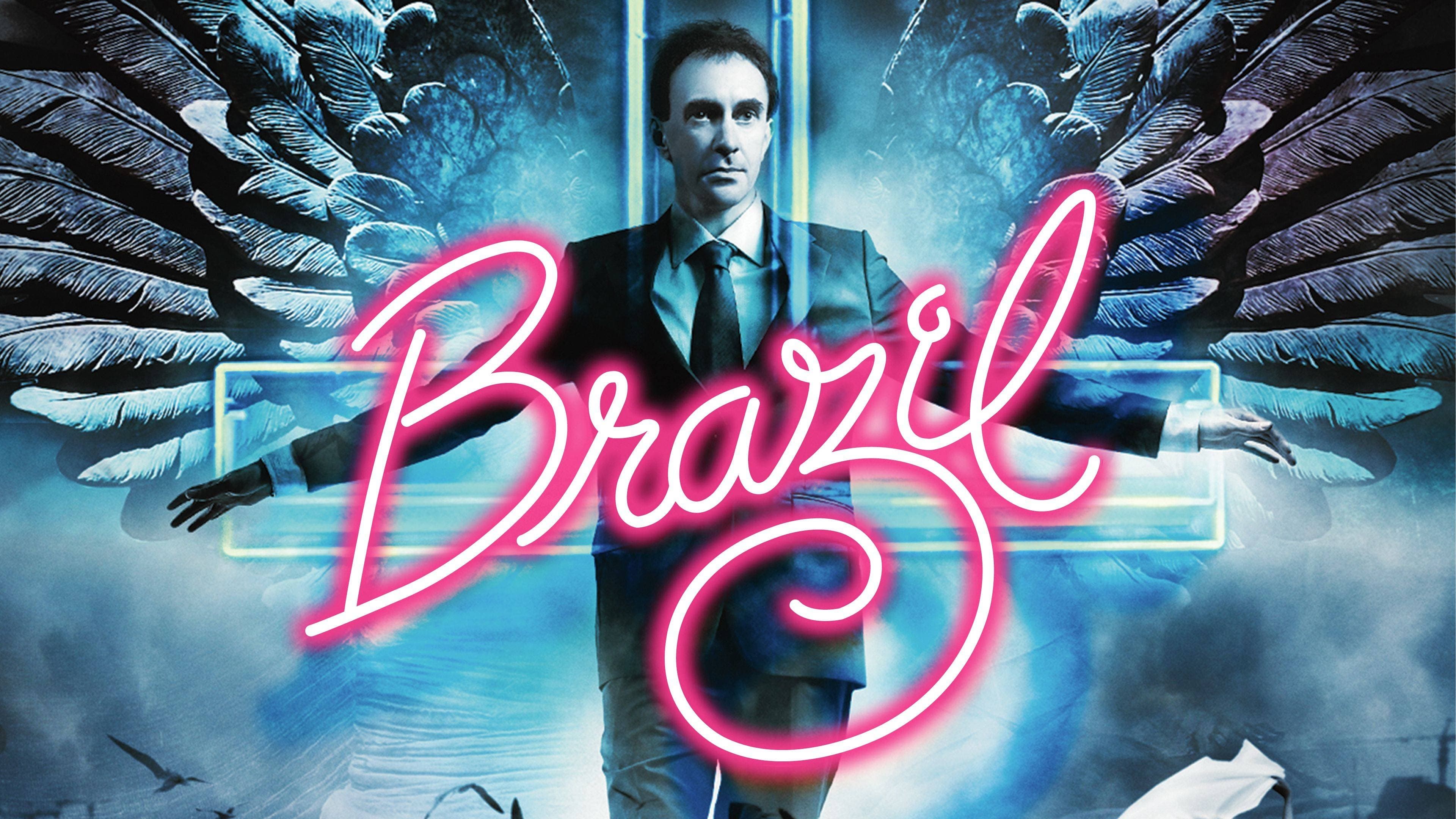
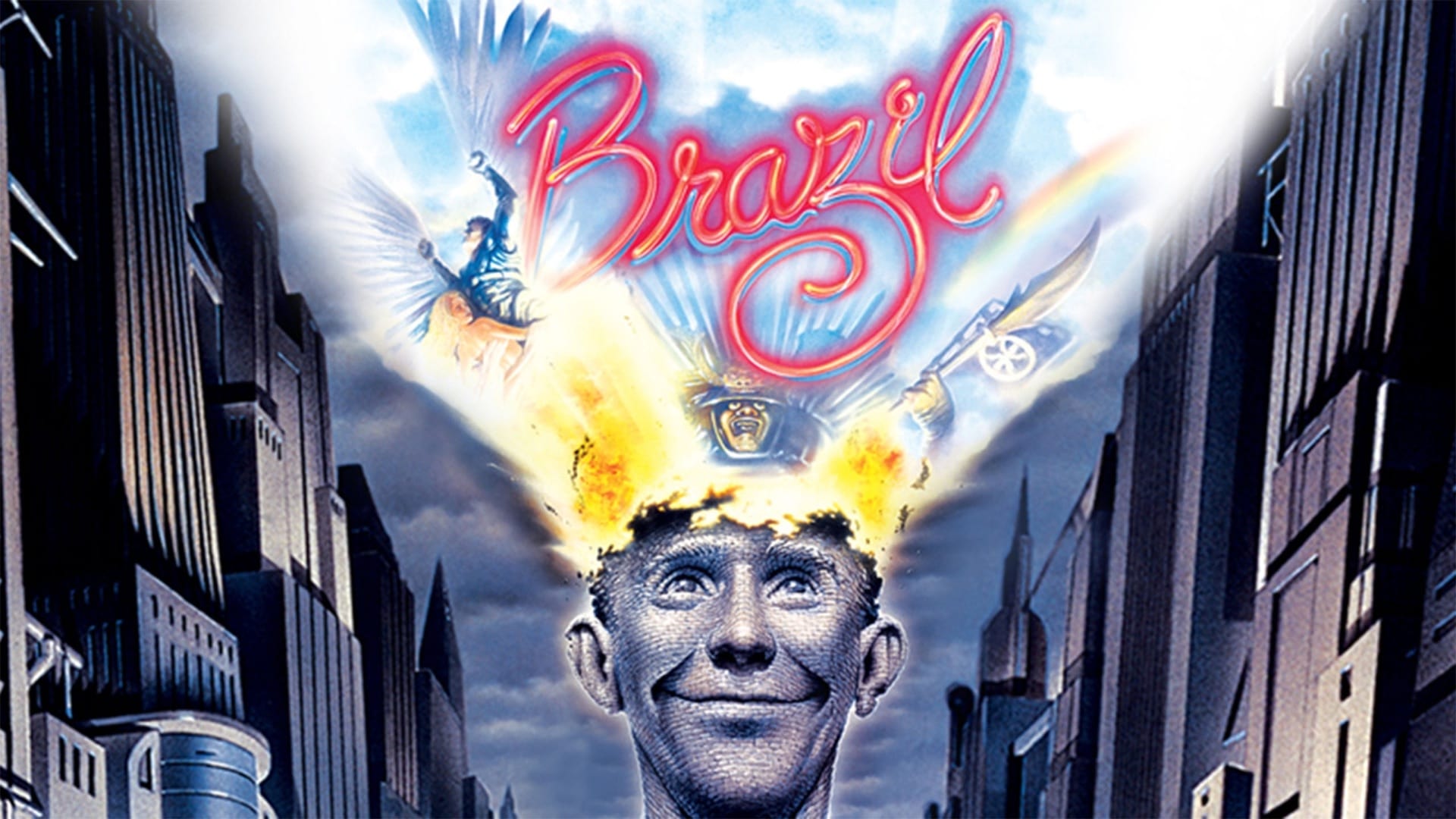
Terry Gilliam's 1985 film "Brazil" emerges as a masterpiece that skillfully blends science fiction and comedy. Starring Jonathan Pryce, the film also features master actors like Robert De Niro, Katherine Helmond, Ian Holm, and Bob Hoskins in significant roles. It tells the story of a civil servant trapped in a complex bureaucracy and technology in a dystopian future.
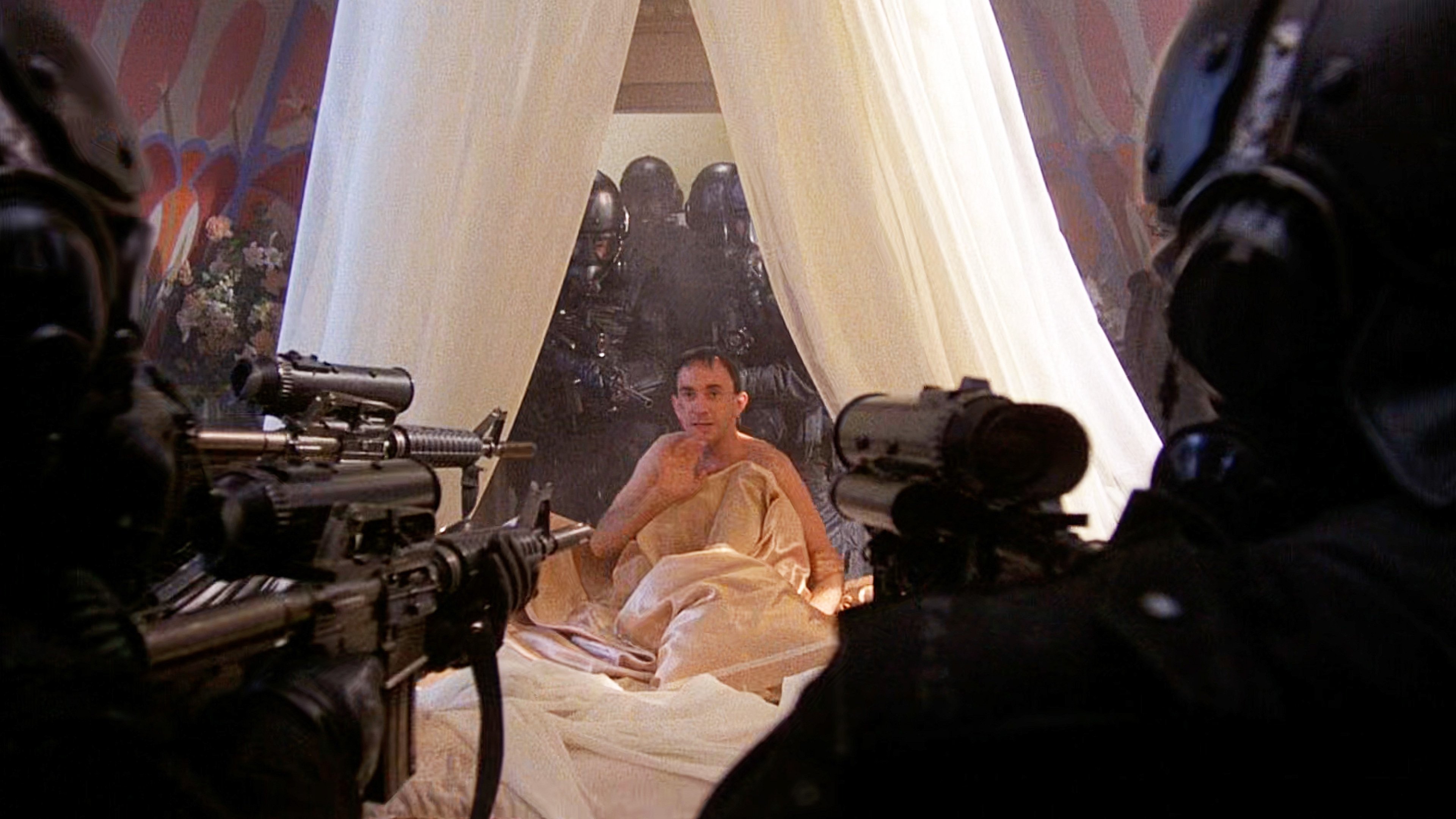
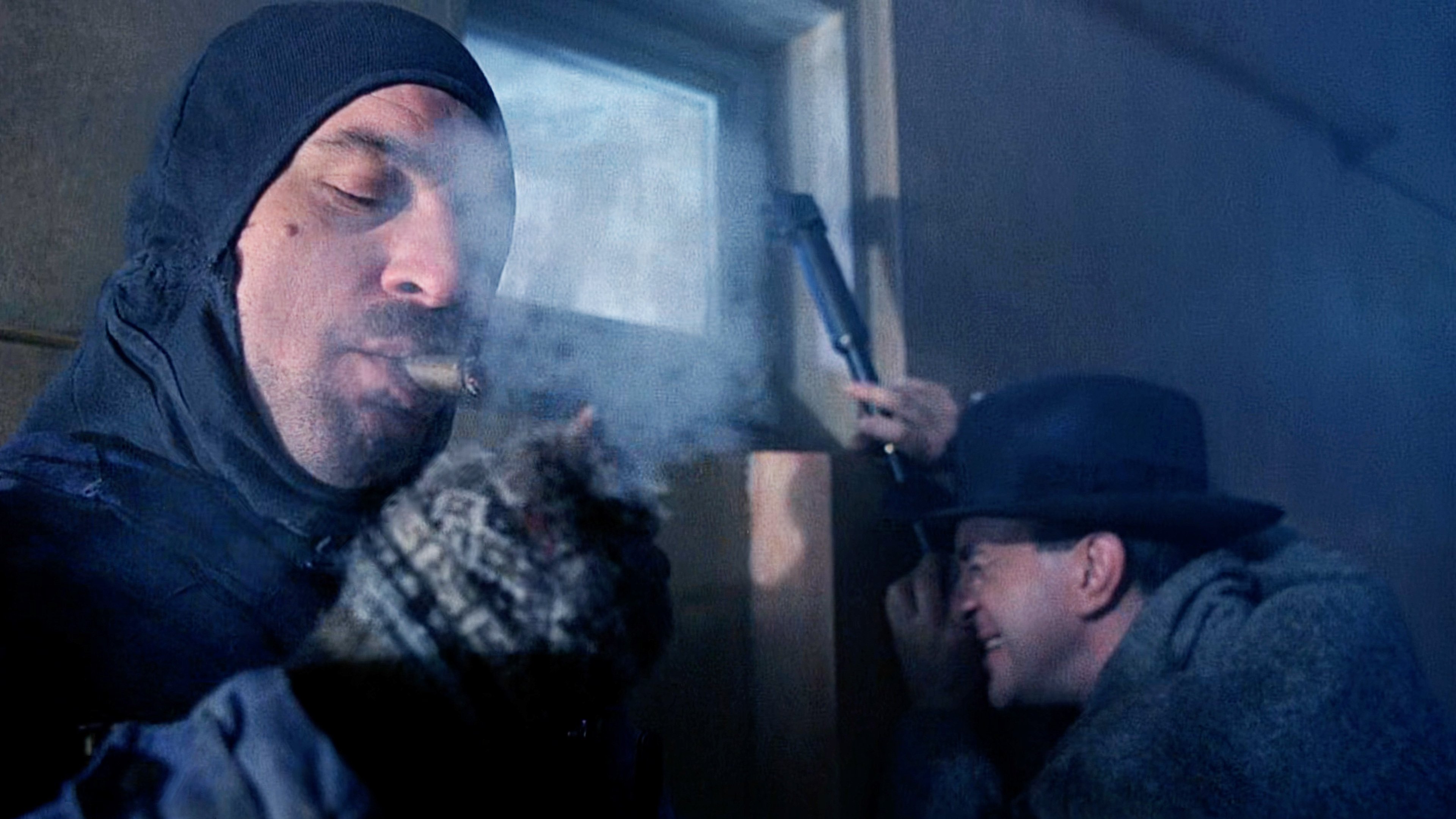
The film follows the life and dreams of civil servant Sam Lowrey (Jonathan Pryce). In his search for an escape from the monotony of daily life, Sam dreams of a woman named Jill Layton (Kim Greist) who occupies his mind. However, as these dreams draw him further away from reality, he realizes there is a mistake involving Jill, who is accused of being a terrorist. At this point, everything begins to unravel for Sam. The plot of "Brazil" questions how bureaucracy and technology shape human life while providing viewers with a thought-provoking experience.
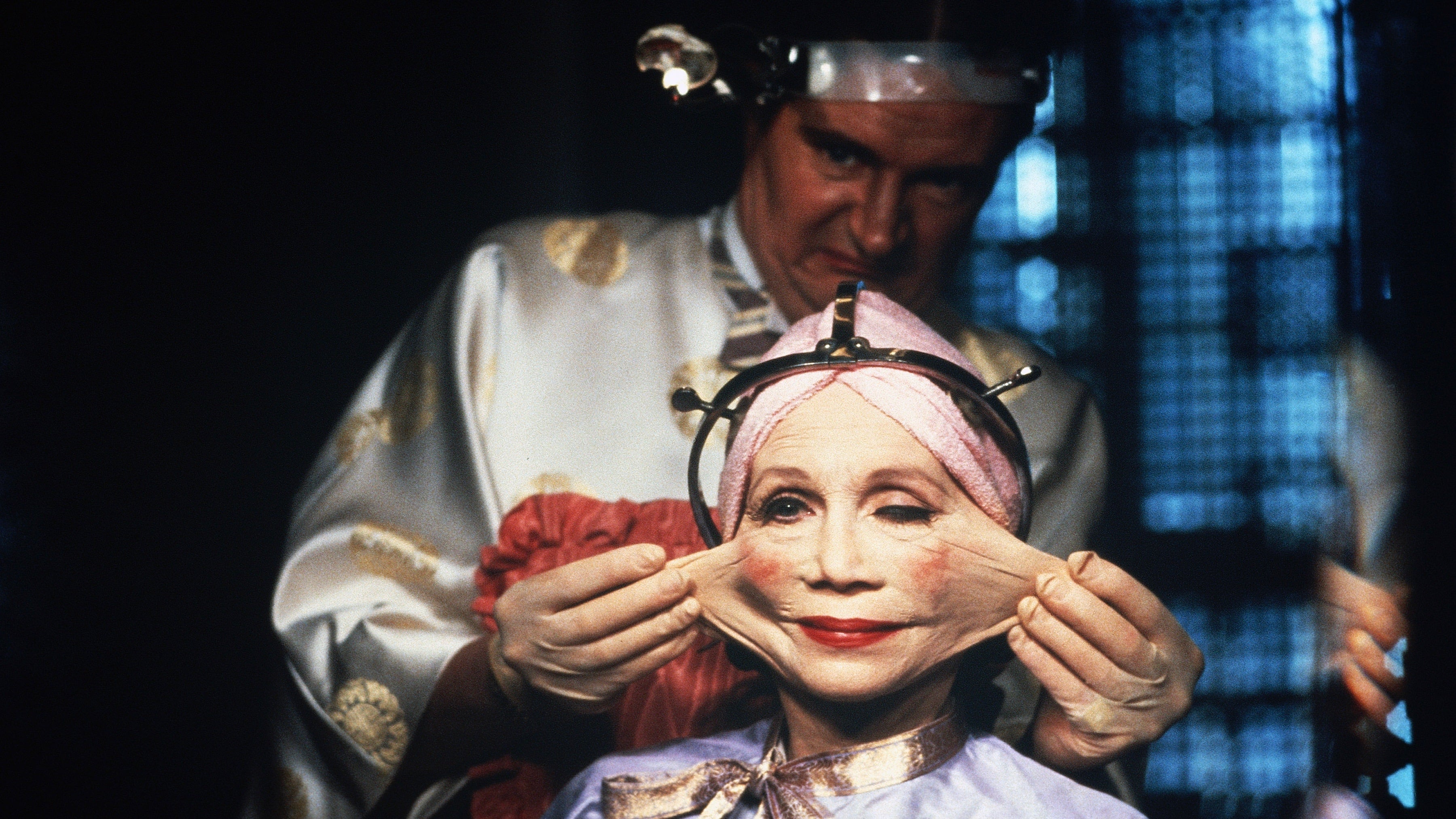
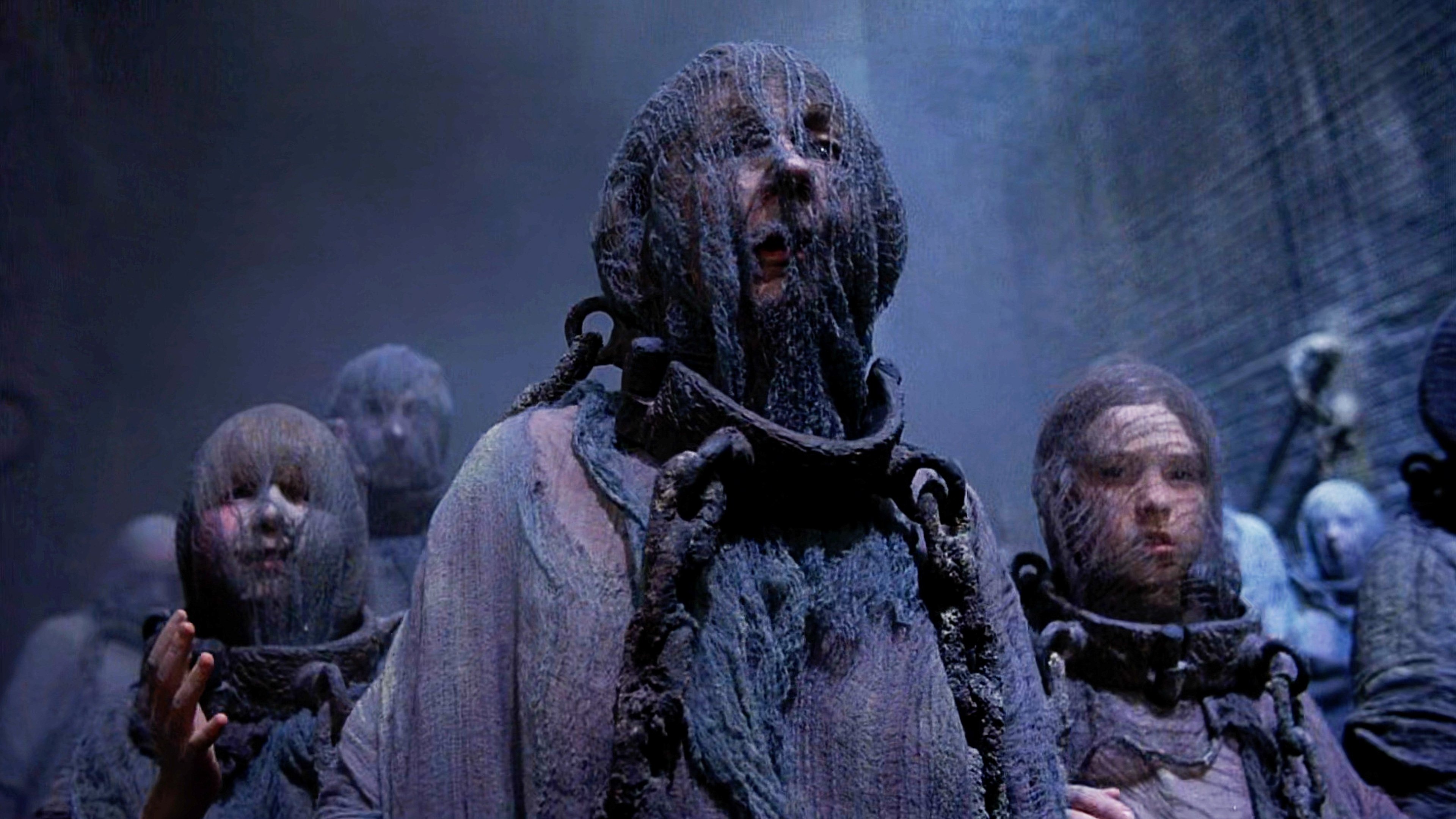
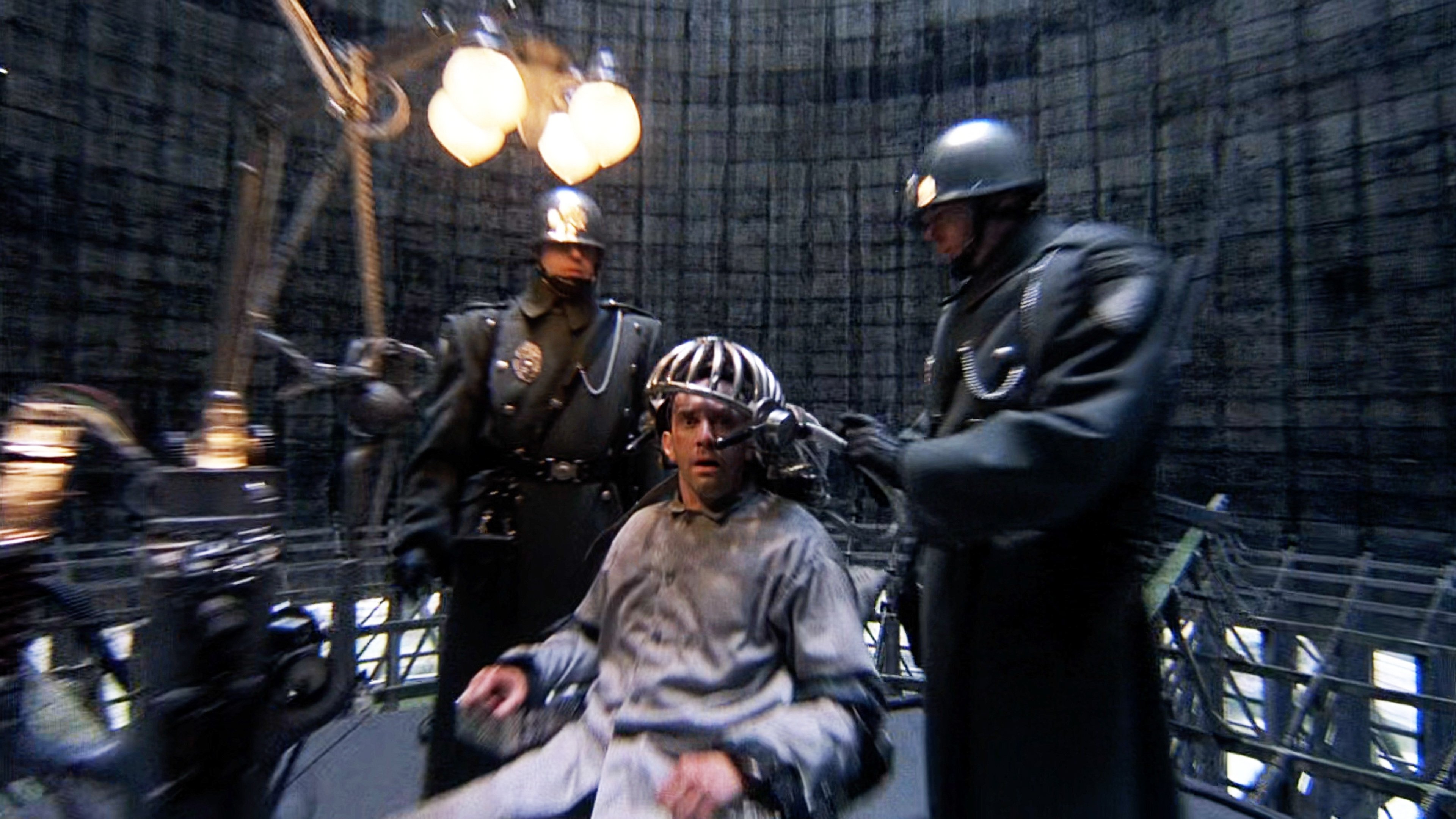
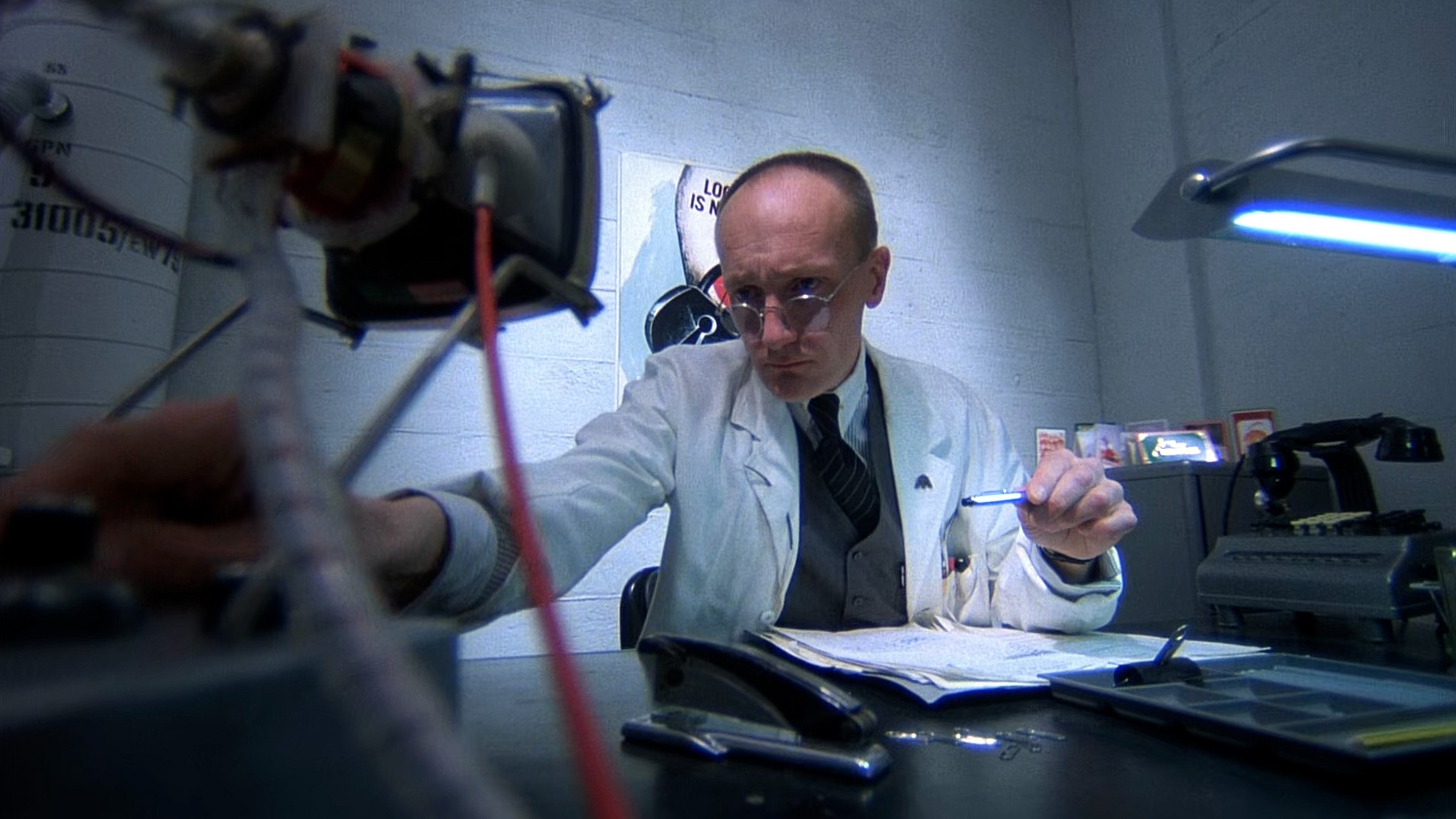
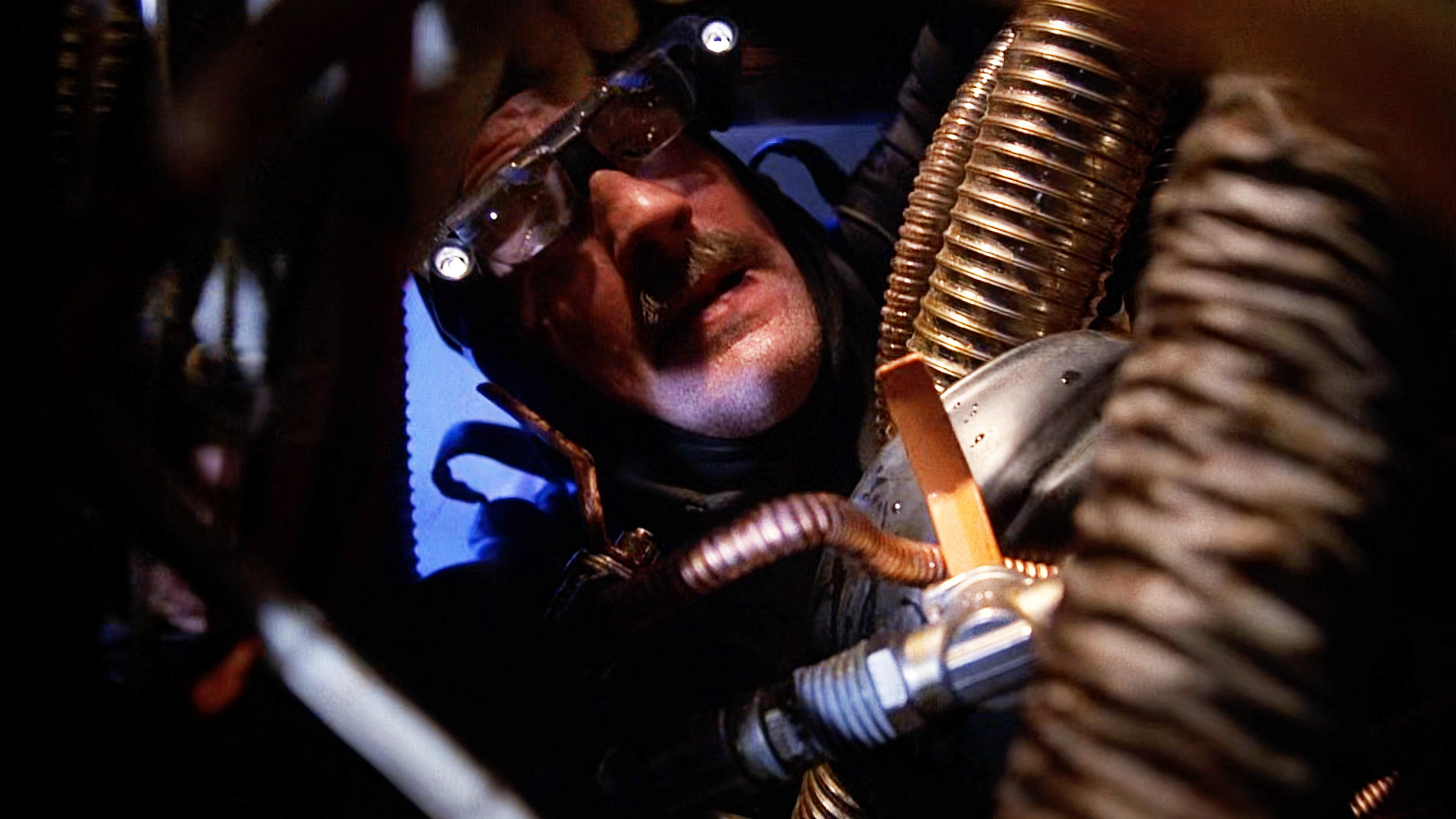
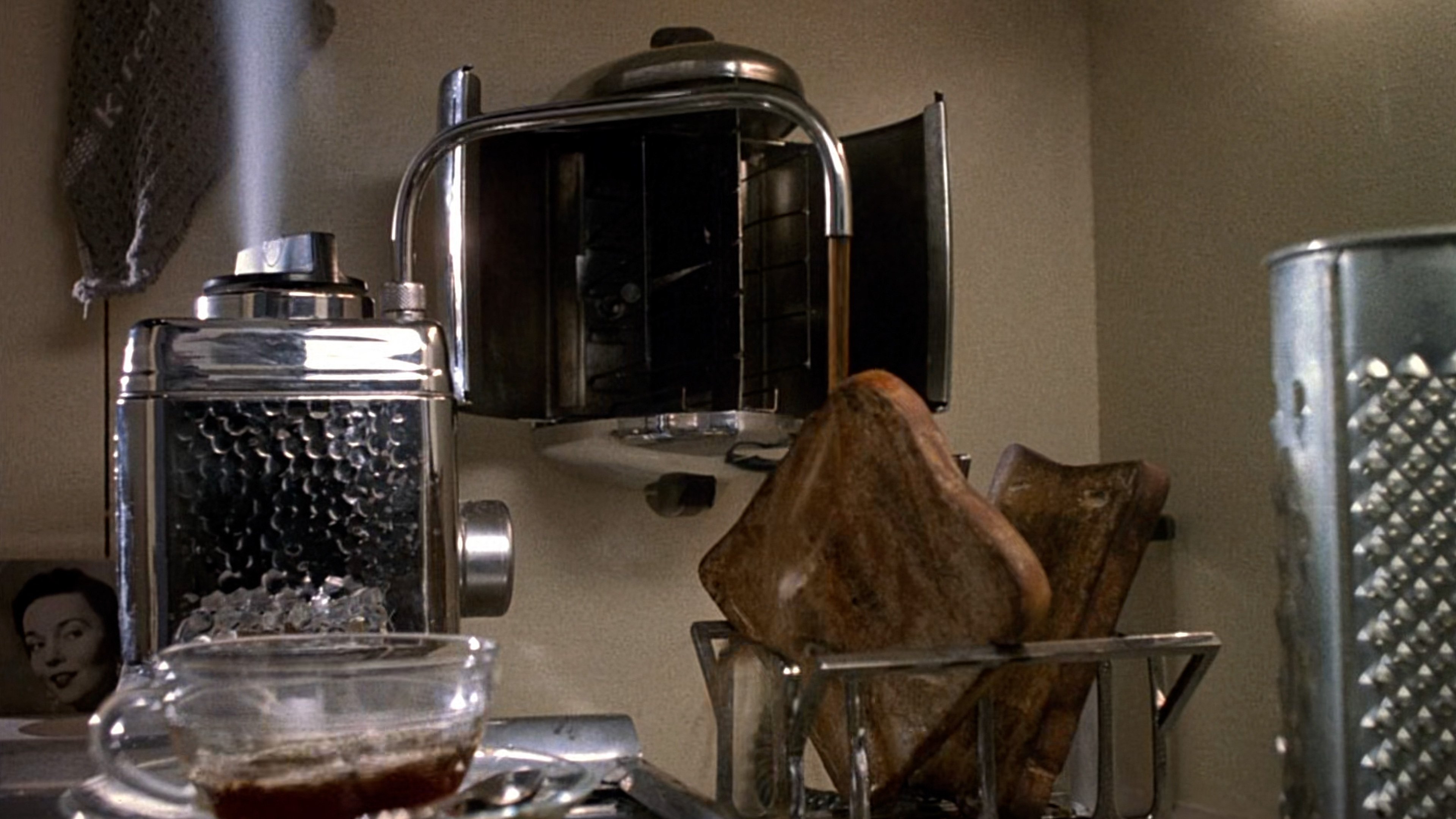
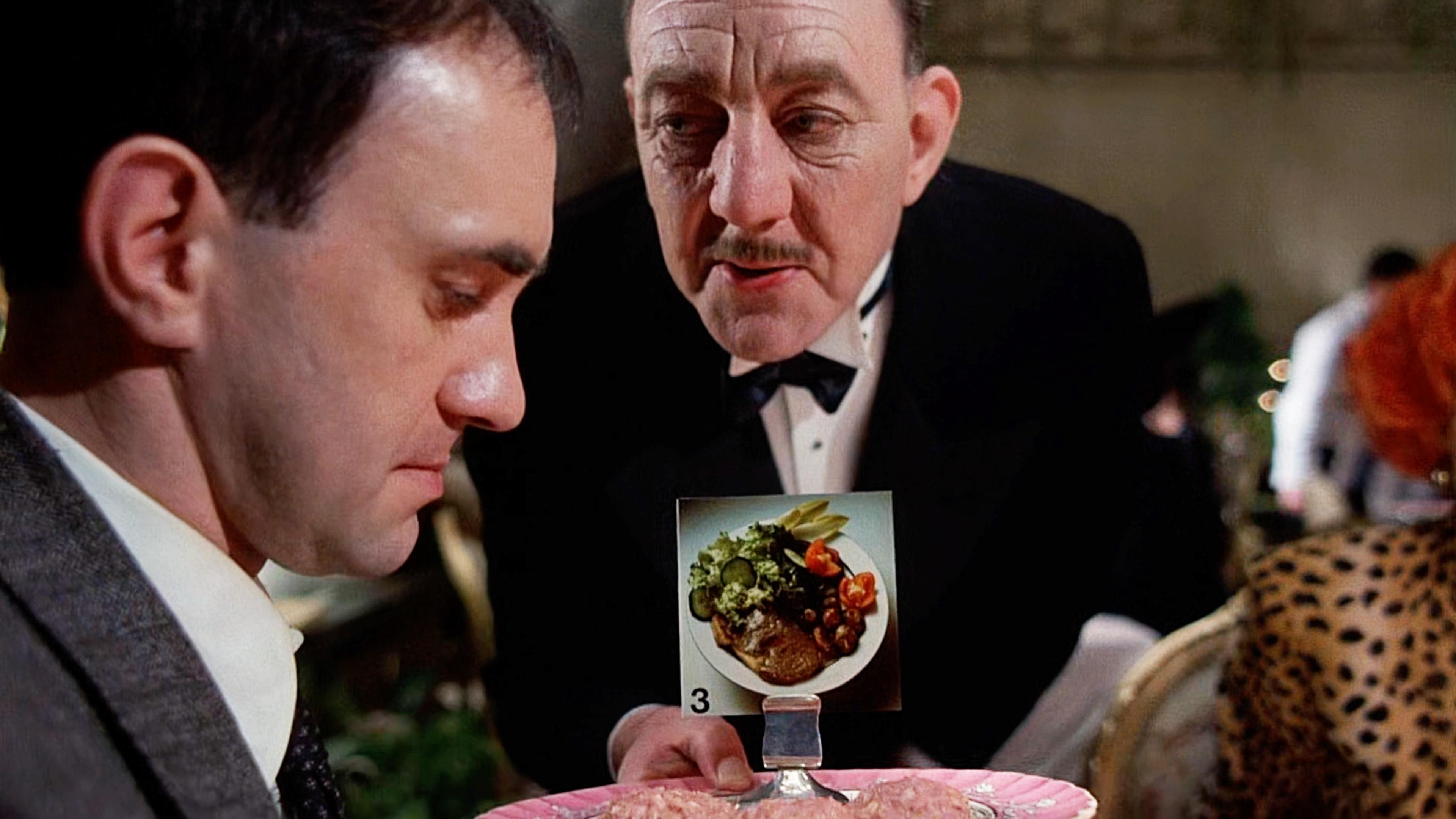
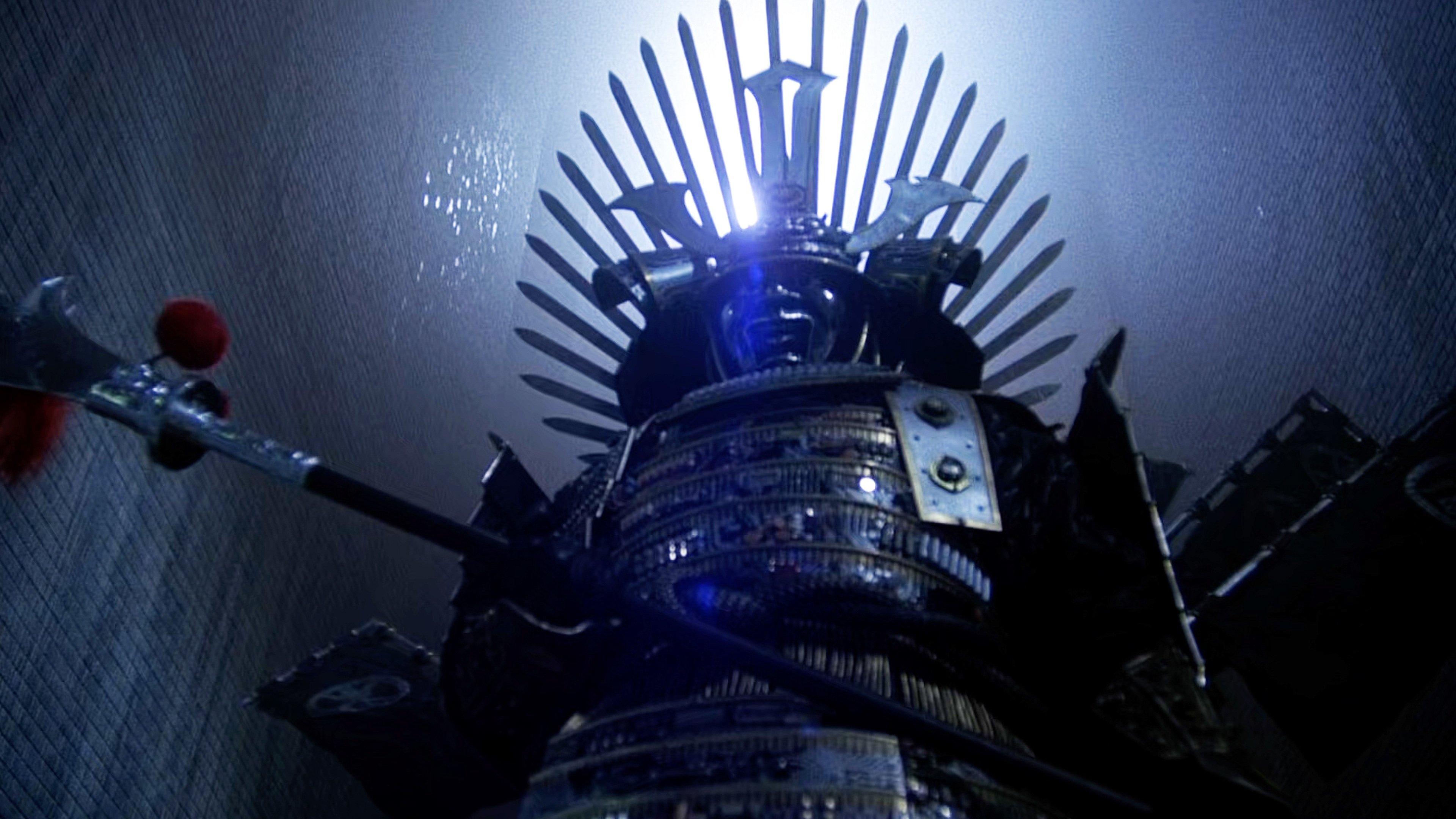
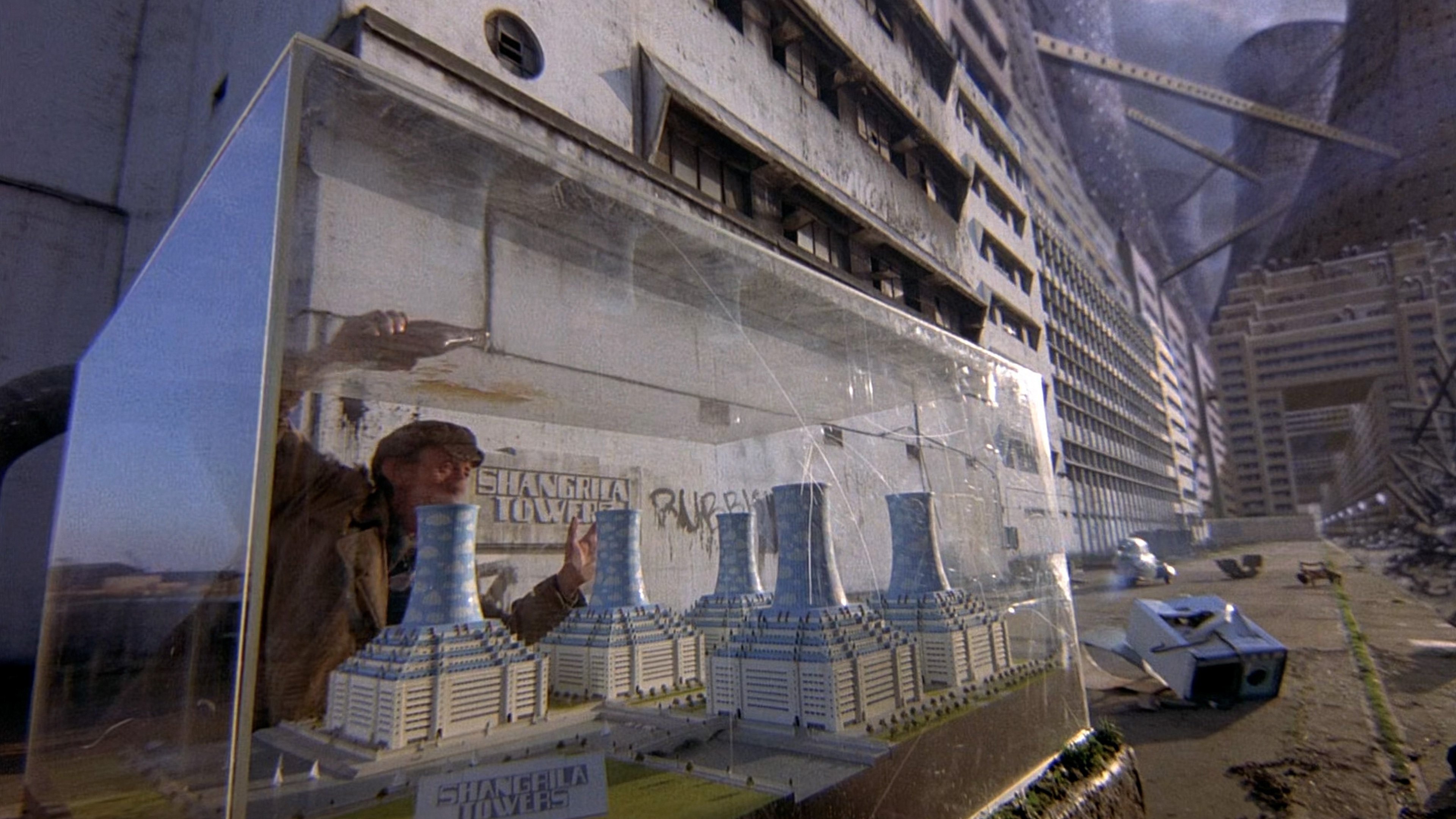
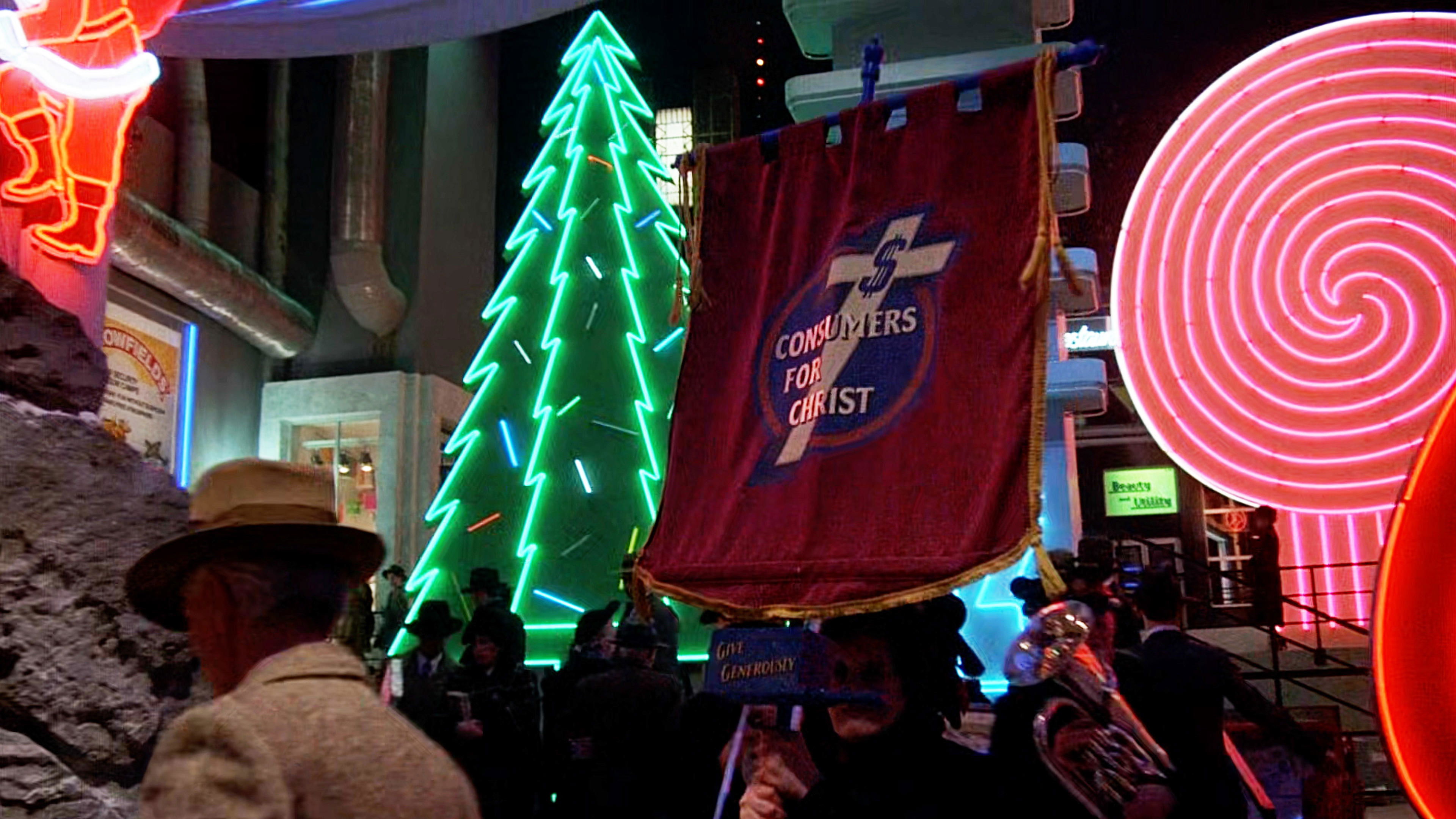
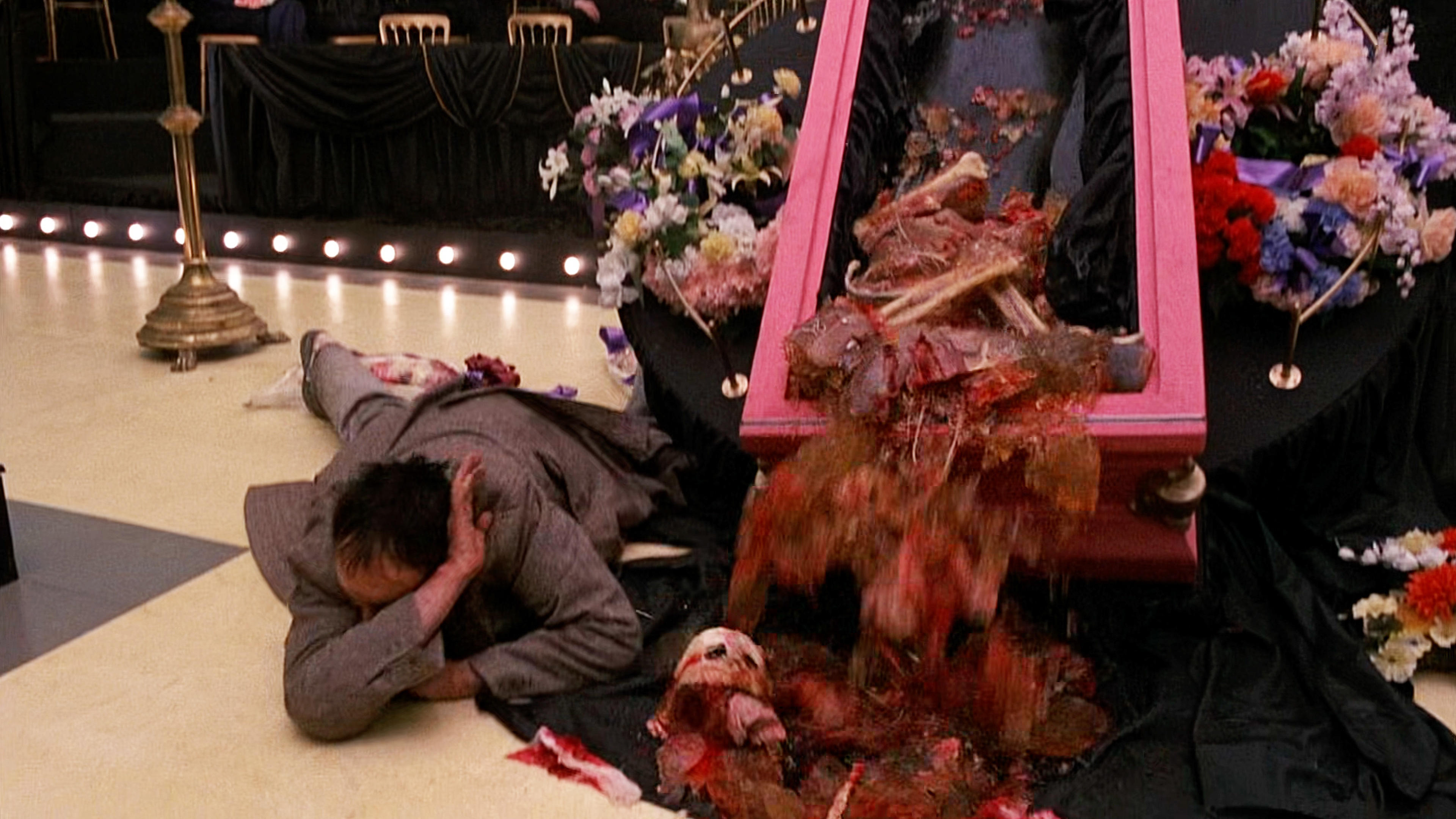
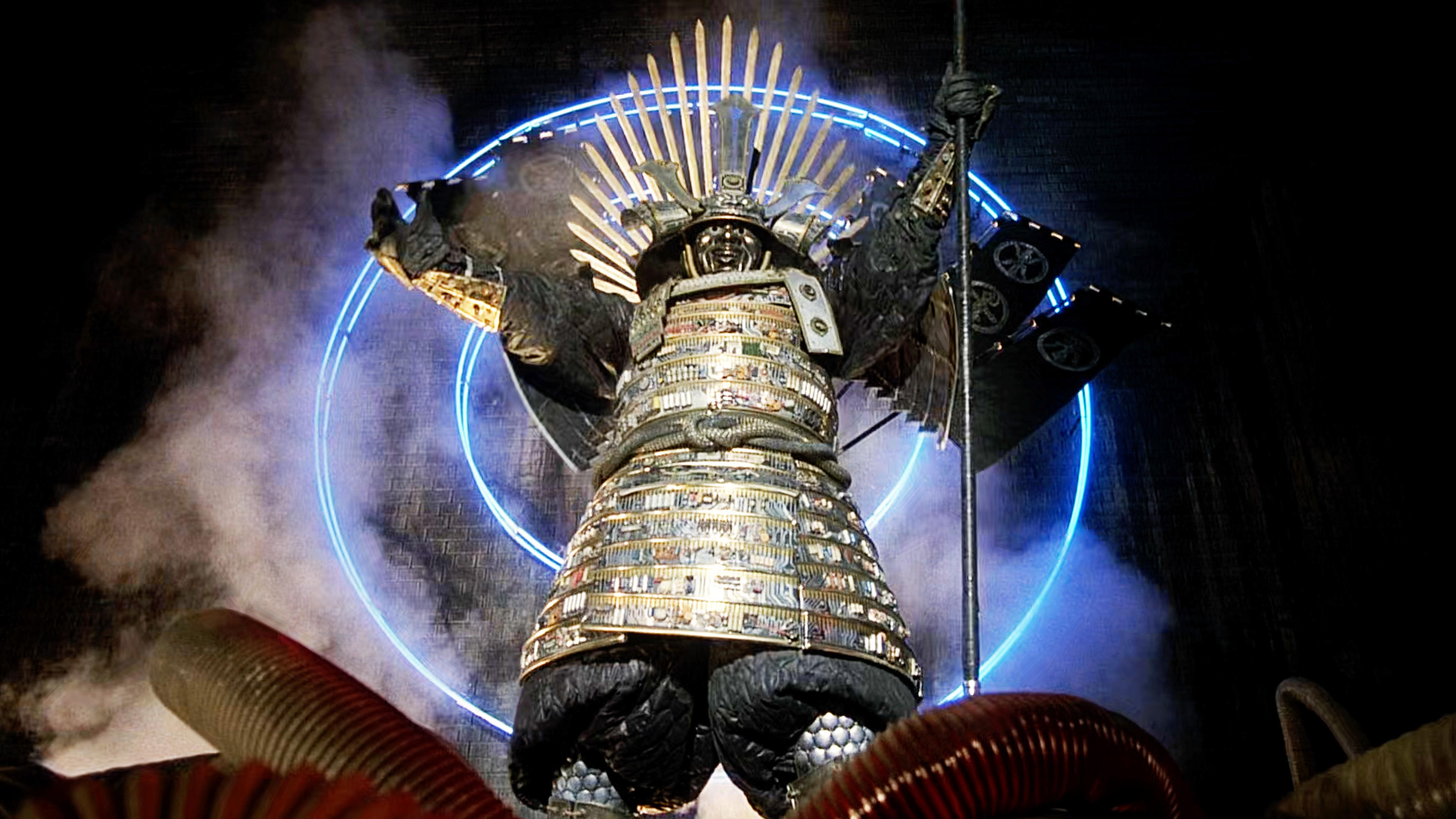
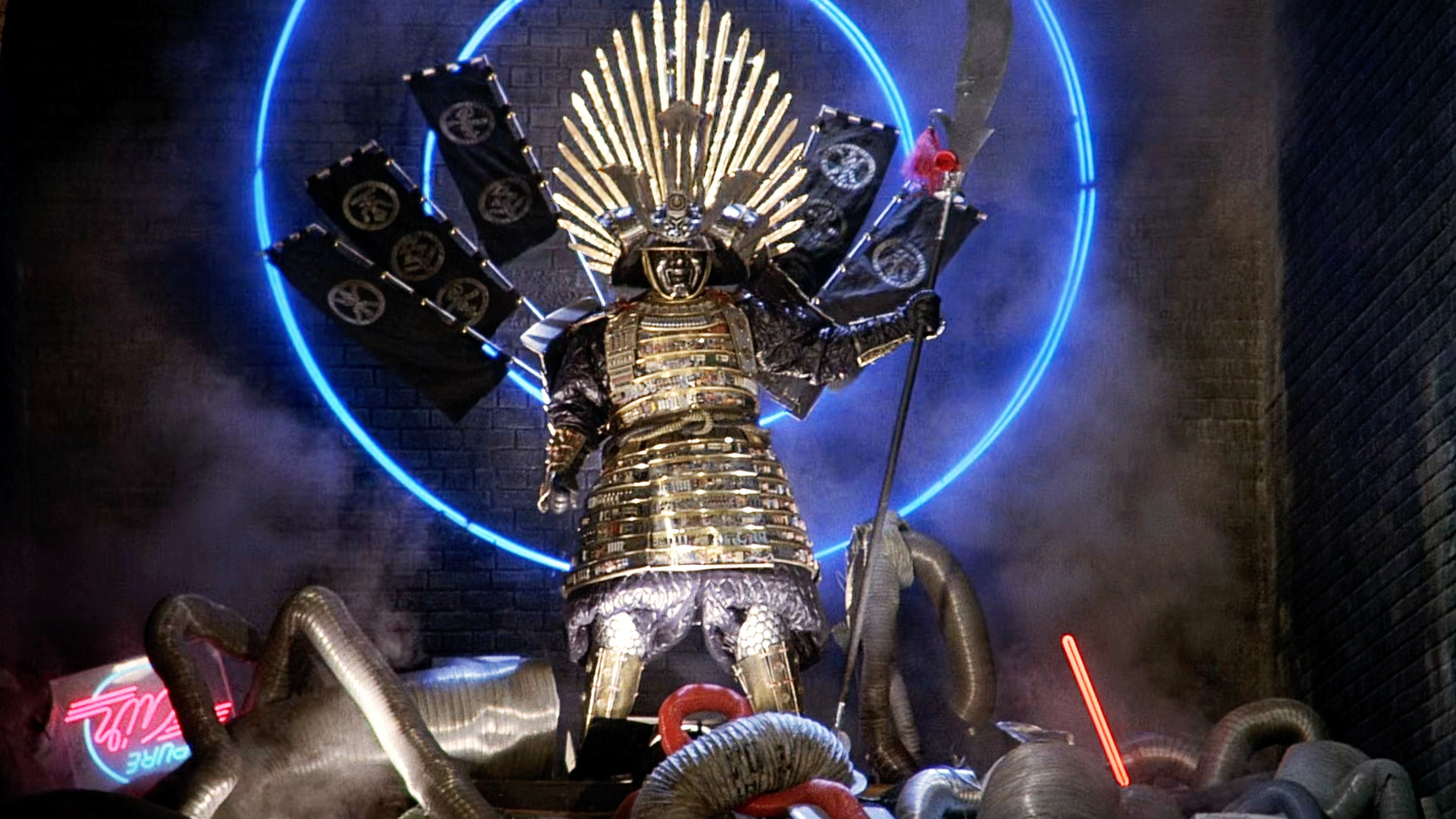
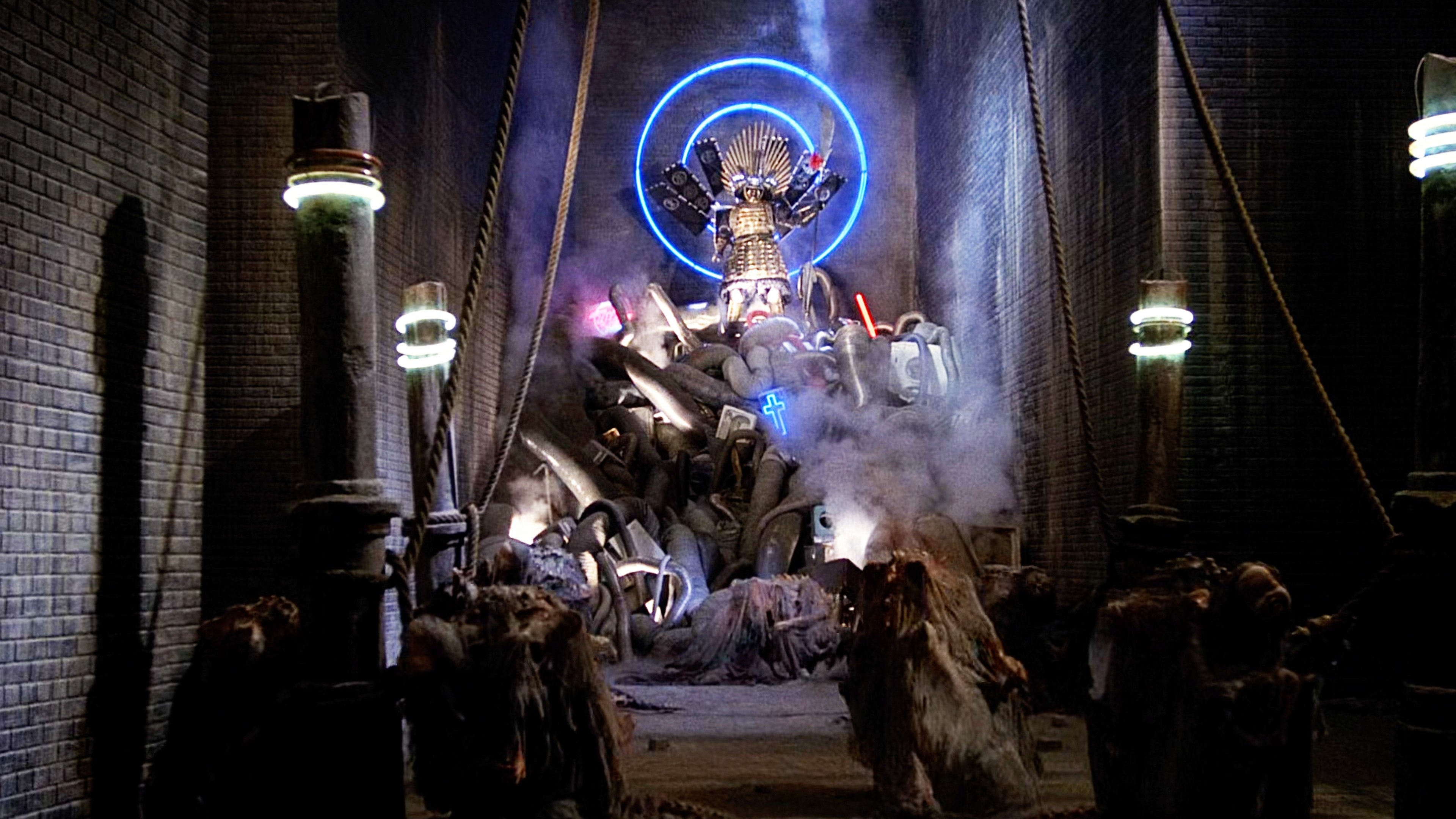
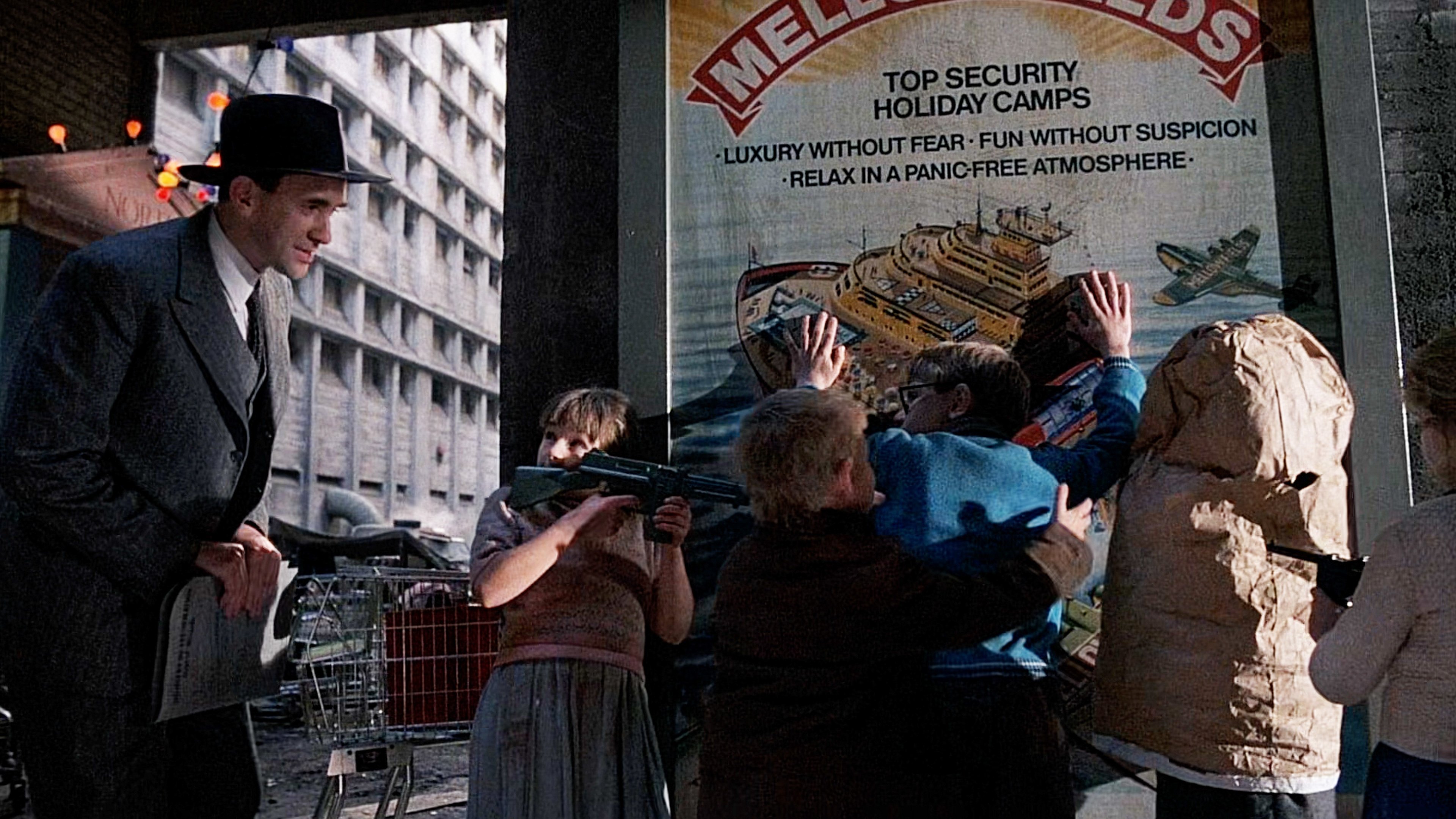
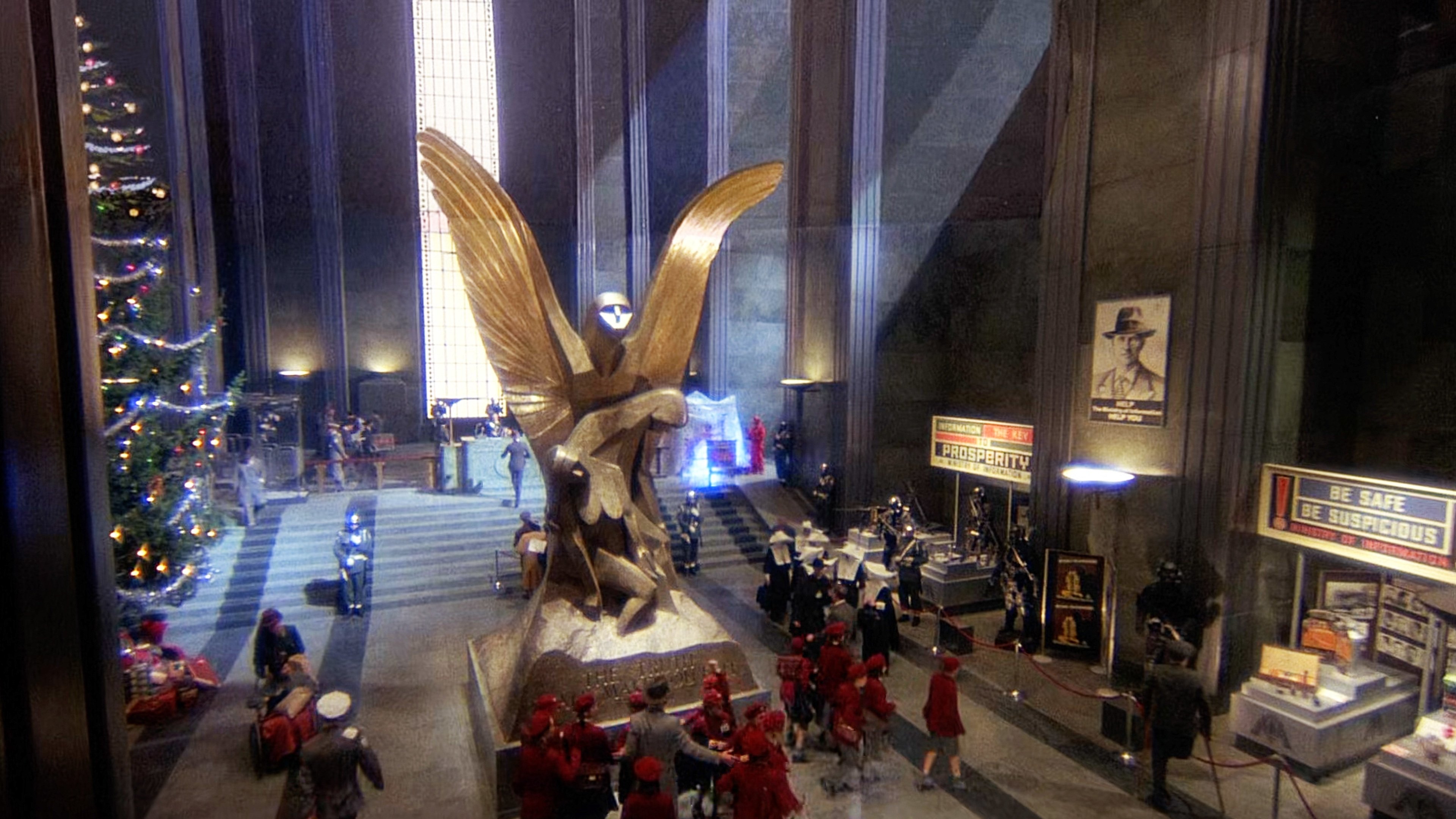
Terry Gilliam is known for his unique visual style and absurd sense of humor. "Brazil" is one of the films that best reflects these qualities. The detailed set design and striking visuals transport viewers to another world. The performances are equally impressive. Jonathan Pryce brings depth to the character of Sam, while Robert De Niro's portrayal of the "department head" adds a humorous depth to the film. The interaction between these two actors strengthens the dynamics of the film.
"Brazil" goes beyond being just a film, offering viewers a thought-provoking social critique. While deeply questioning how technology and bureaucracy shape human life, it also delivers insightful messages about the importance of individual freedom and imagination. Therefore, "Brazil" is not just a spectacle but also a work that deserves in-depth examination. Like Gilliam's other works, this film provides an experience that leaves viewers breathless. If you haven't seen "Brazil," you should create an opportunity to explore this absurd and thought-provoking world as soon as possible.
In conclusion, Terry Gilliam's "Brazil" holds its place in cinema history as a film rich in both visual and narrative aspects. The themes in the film remain relevant today, successfully offering viewers different perspectives. Prepare yourself to step into the magical world of "Brazil!"
Why Watch?
STRONG POINTS: An impressive script that skillfully blends low probability and dystopian themes. Unique cinematography that stands out with its visual aesthetics and creative design. A deep narrative that boldly addresses social critiques.
WHO IT APPEALS TO: It appeals to viewers looking for a different cinematic experience and those who enjoy dystopian and thought-provoking works.
EXPECTATION MANAGEMENT: Viewers who prefer ordinary action films may not find this film to meet their expectations.
Frequently Asked Questions
What is the plot of Brazil?
Brazil tells the story of an individual’s struggle against the system in a dystopian future. The main character, Sam Lowry, encounters absurd events while searching for freedom in a bureaucratic world.
Is Brazil based on a true story?
No, Brazil is not based on a true story. The film reflects a fictional dystopia born from Terry Gilliam's imagination.
Where can I watch Brazil?
Brazil can be watched on various digital platforms and some television channels. It is also available for purchase on DVD and Blu-ray.
How long is Brazil?
The film has a runtime of 143 minutes.
What does the ending of Brazil mean?
The ending of Brazil symbolizes the individual's escape from the system and the search for freedom. This ending contains uncertainties that provoke thought in the audience.
What year was Brazil released?
The film was released in 1985.
Is Brazil worth watching?
Yes, Brazil is worth watching. Its visual style, deep themes, and absurd humor make it one of the significant works in cinema history.