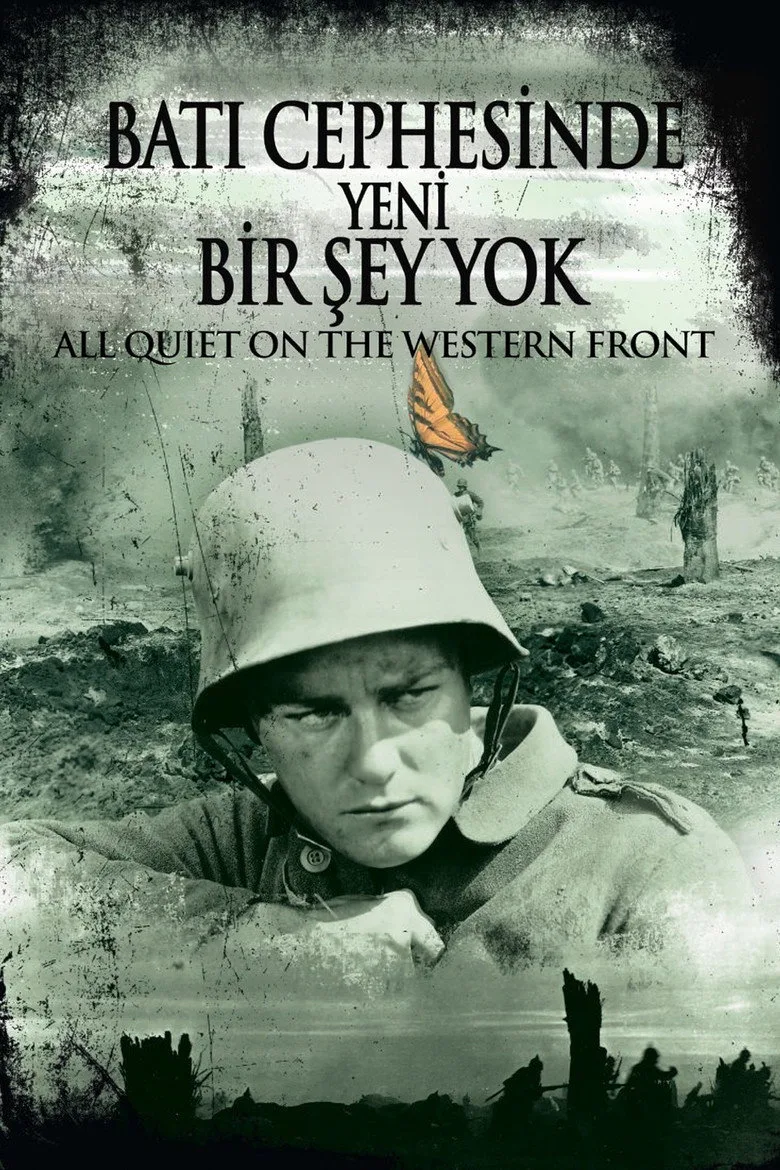
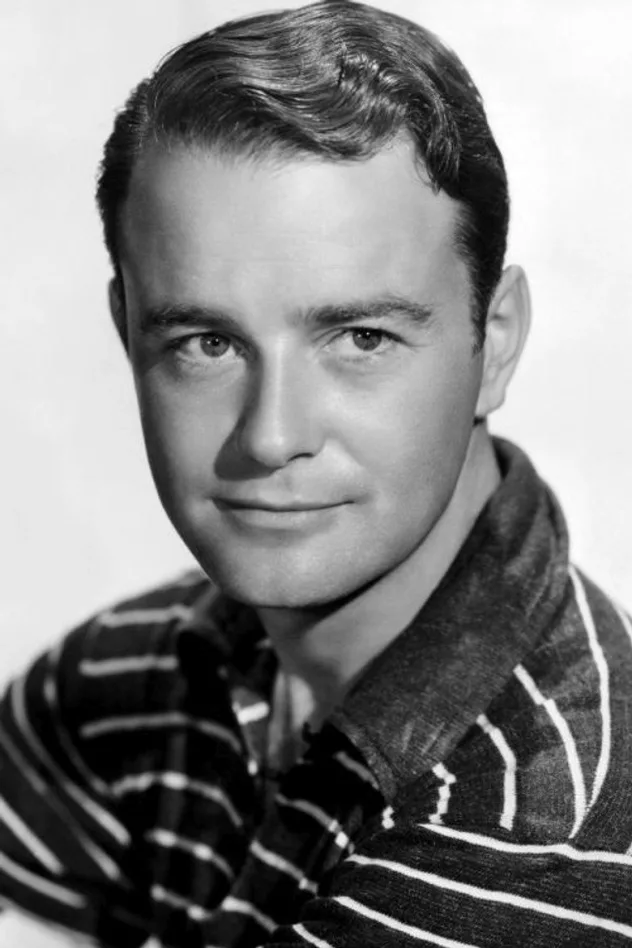
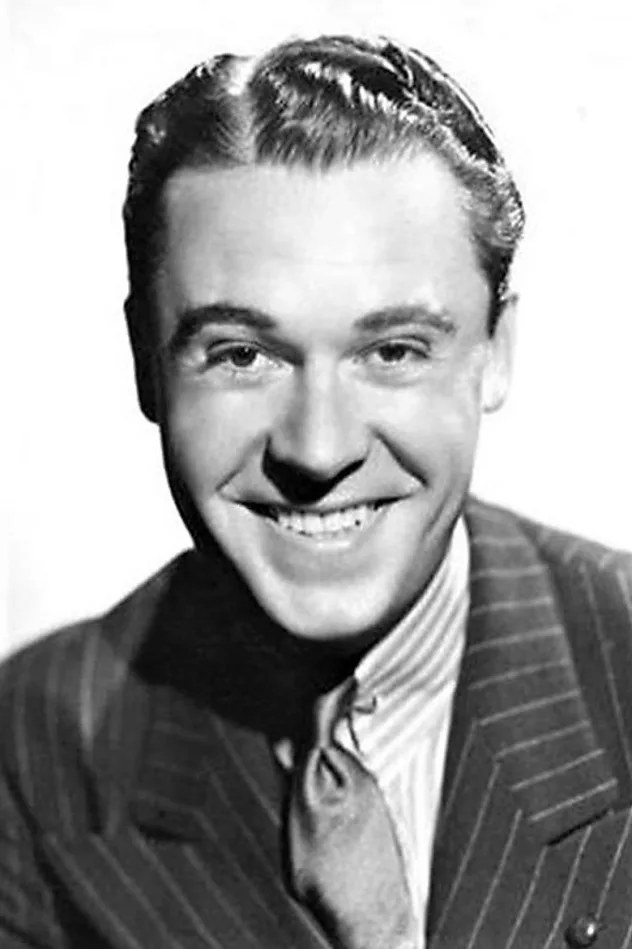
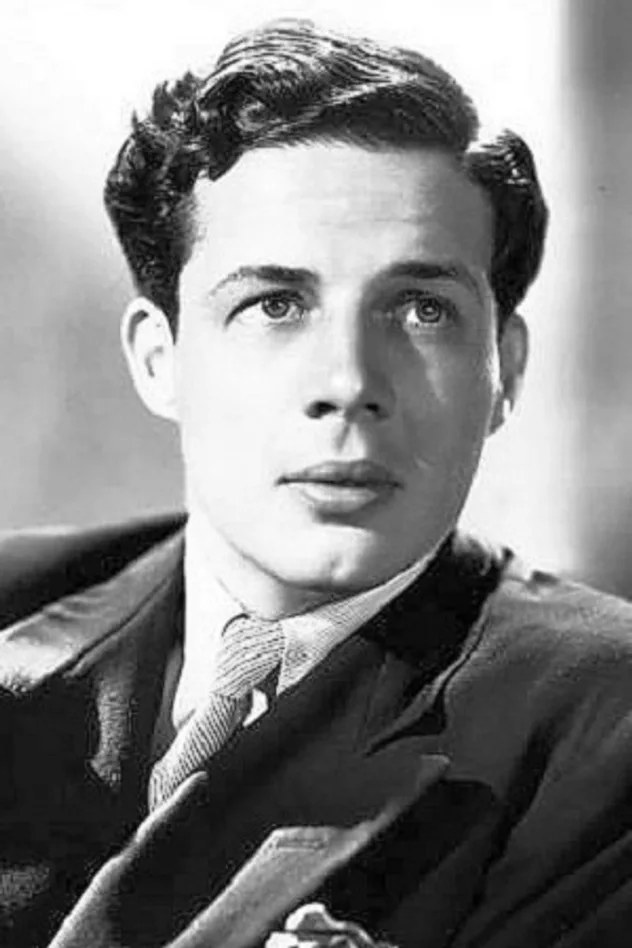
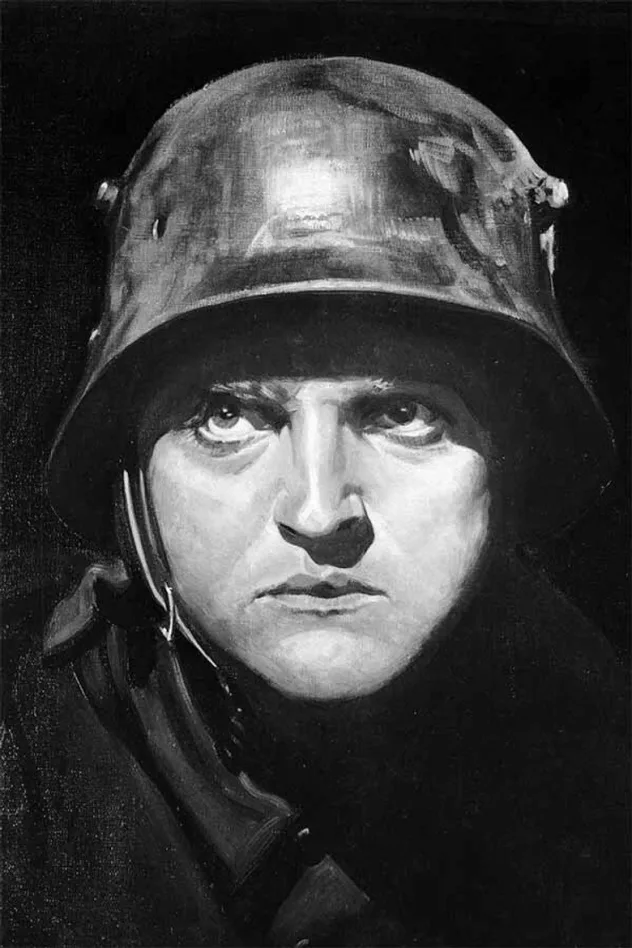
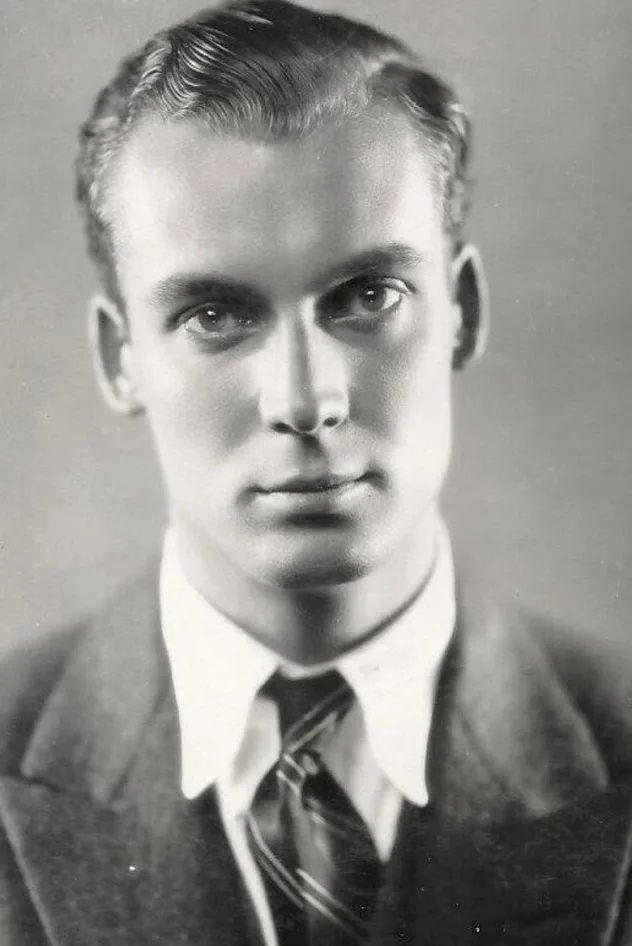
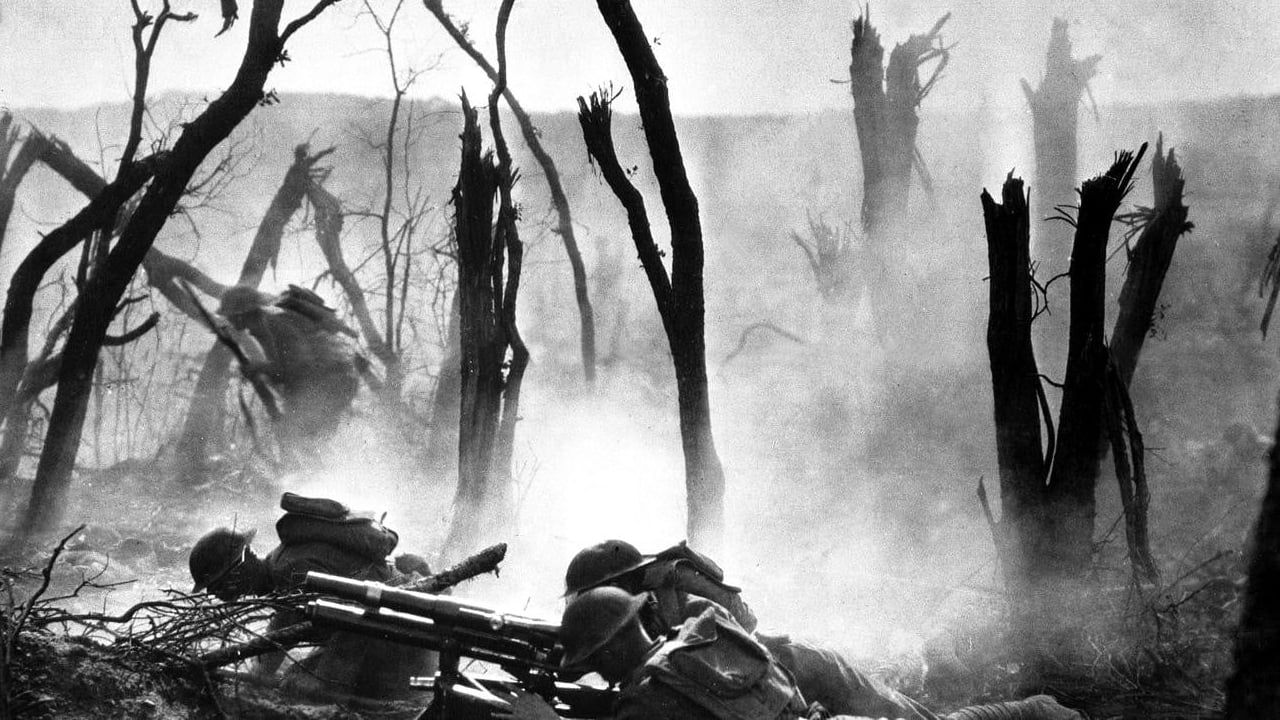
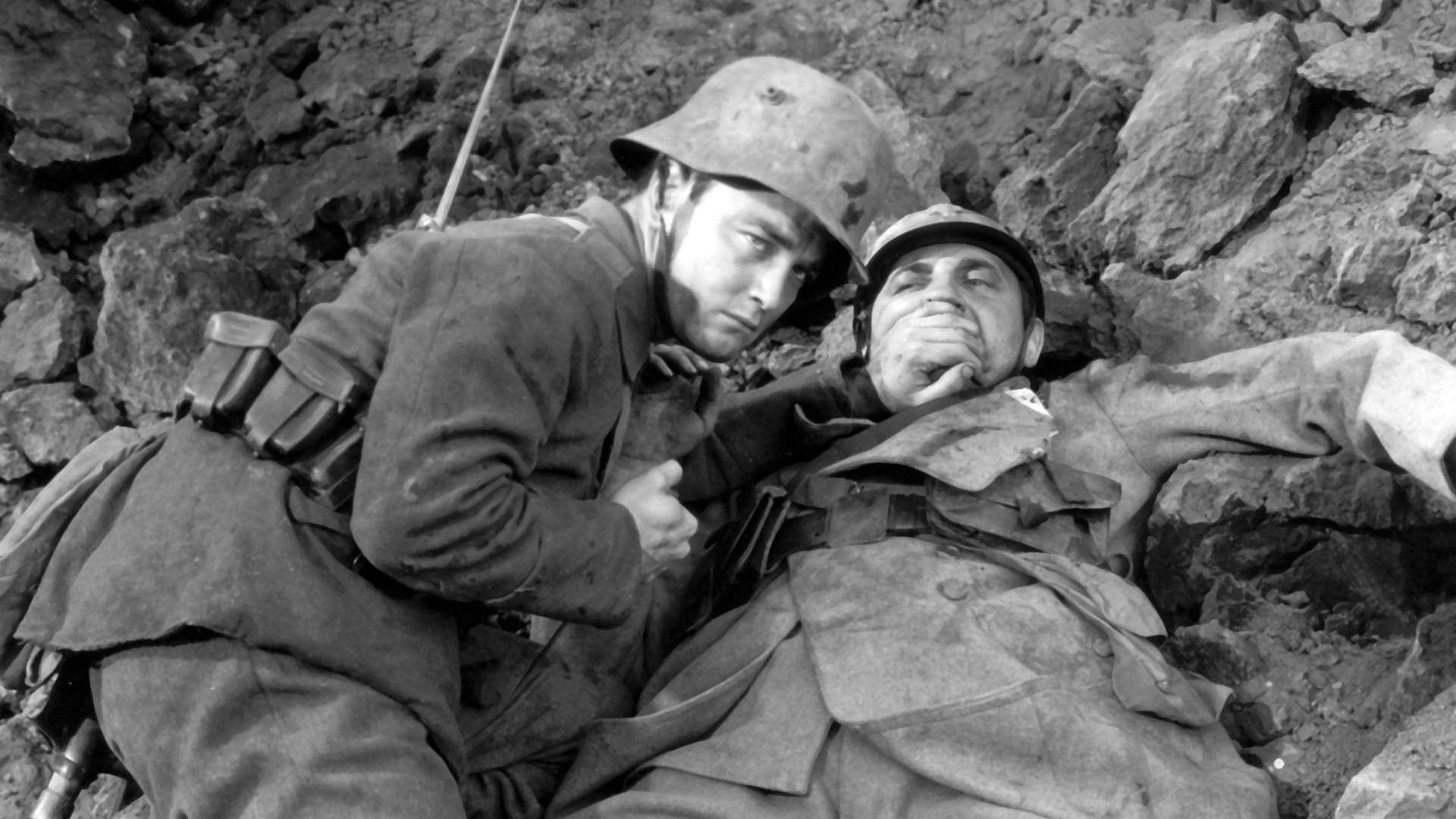
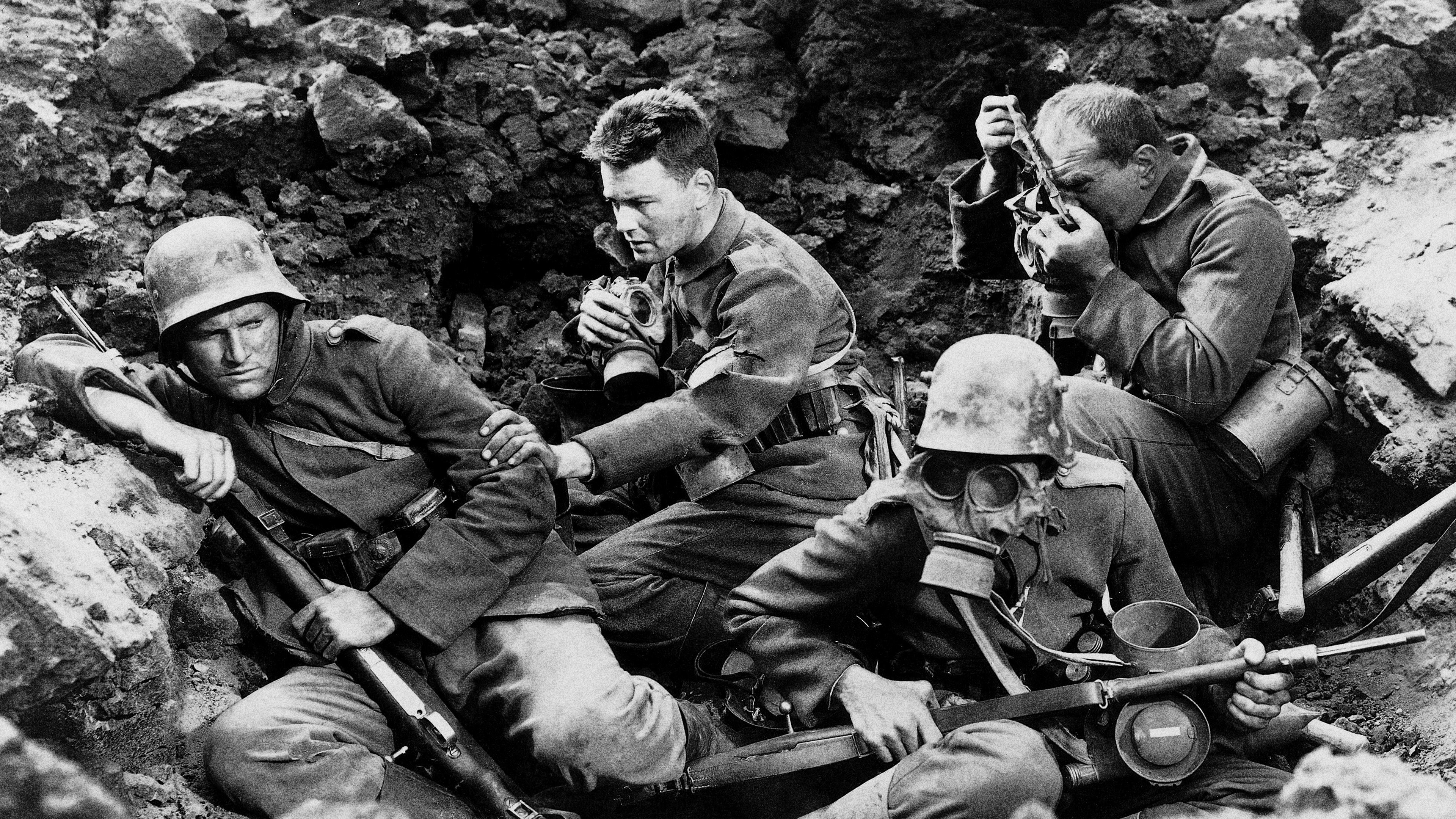
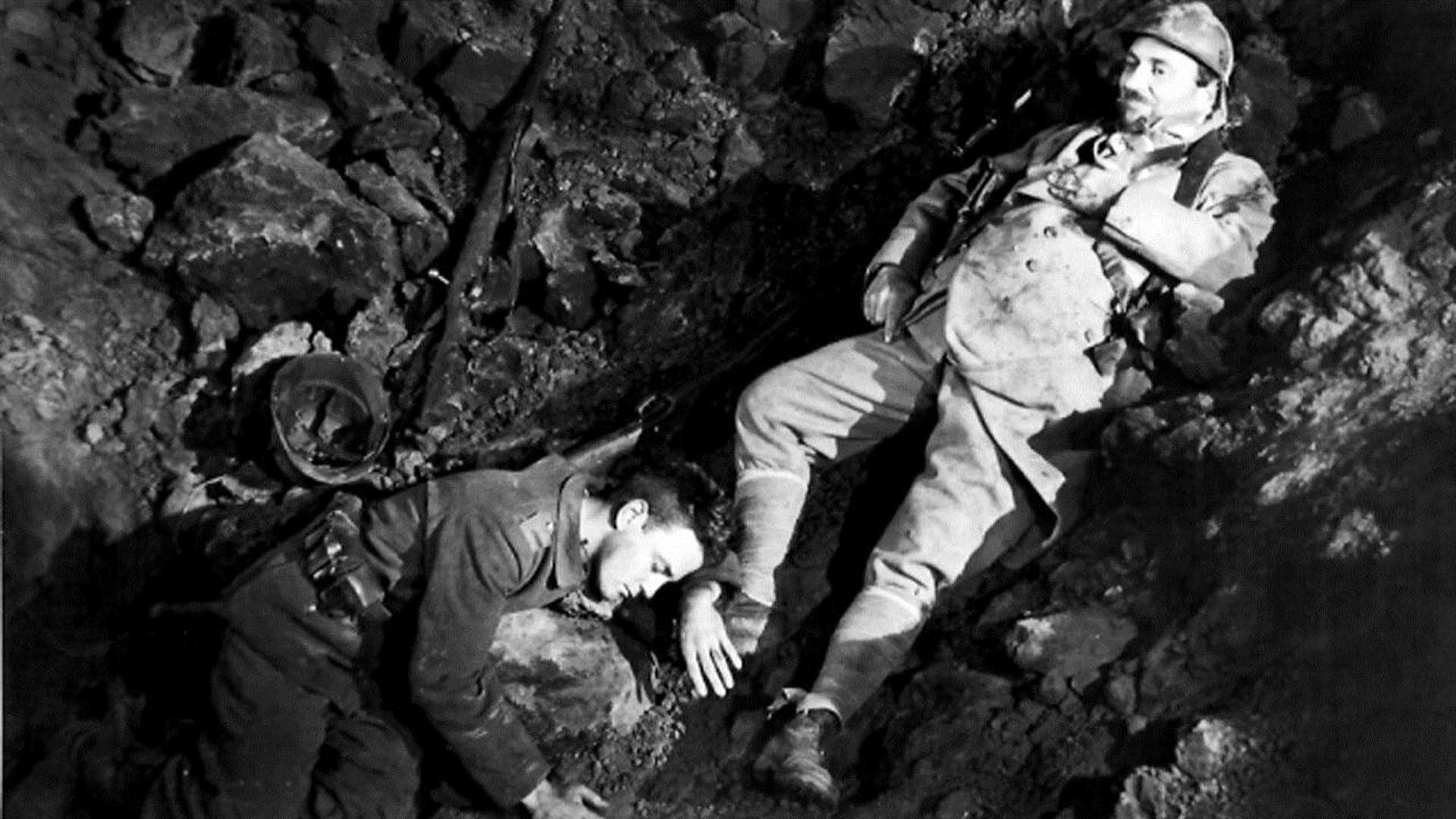
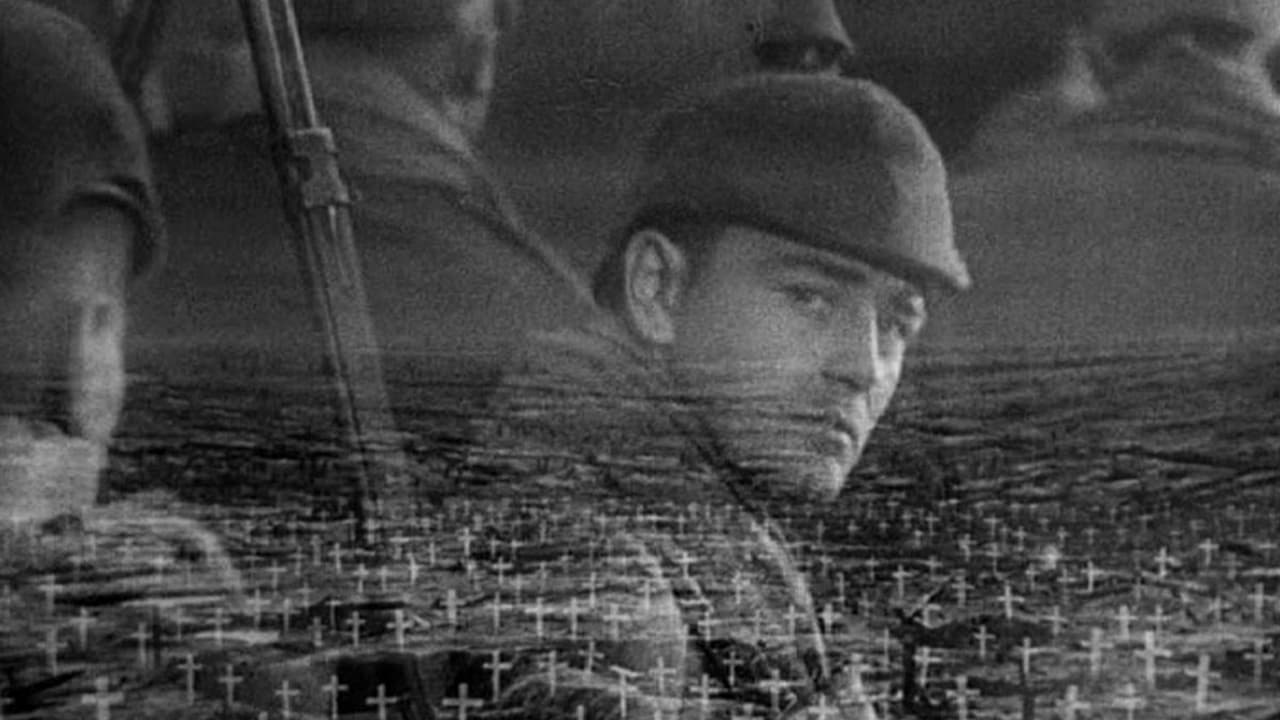
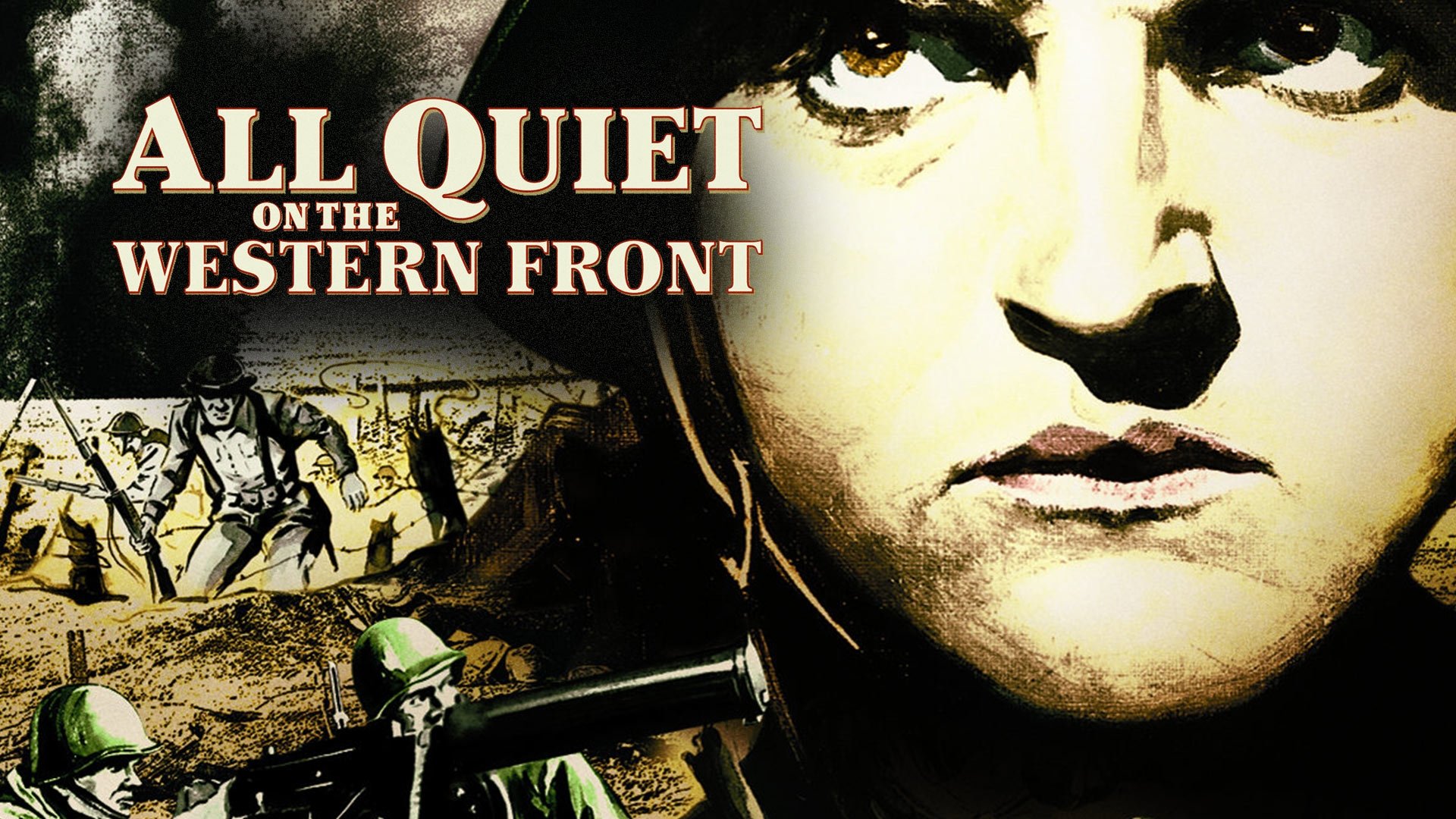
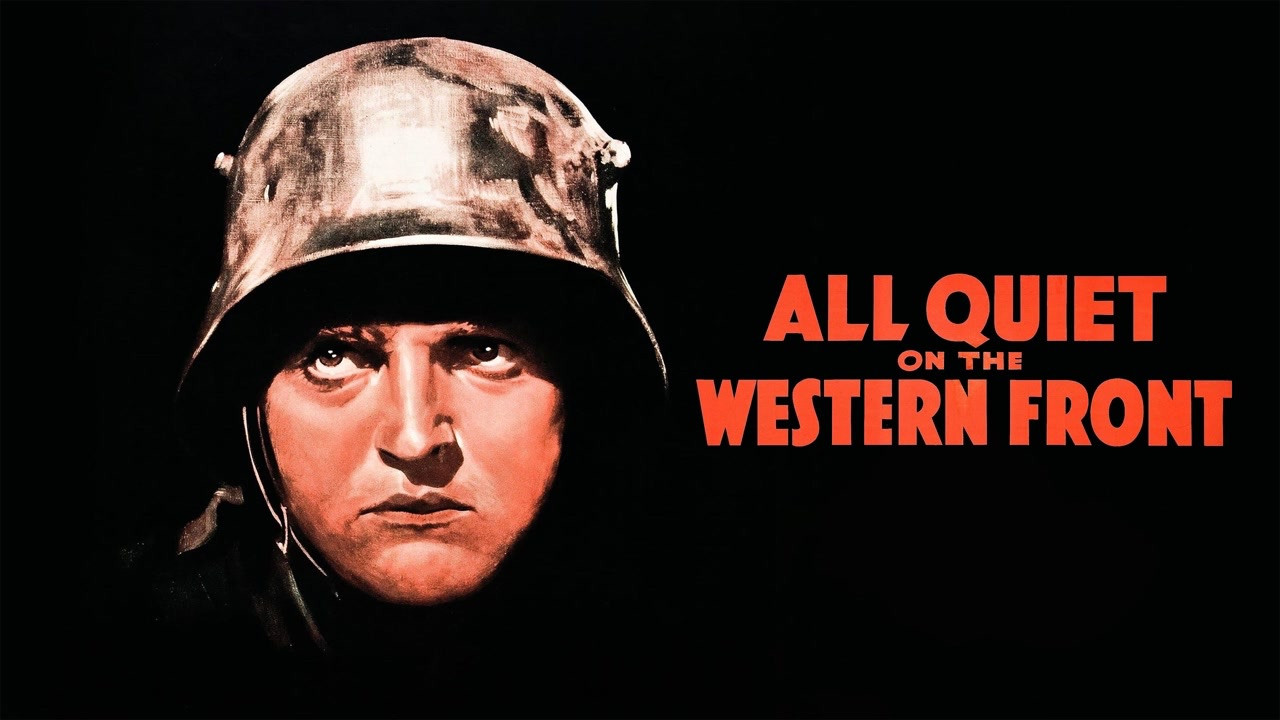
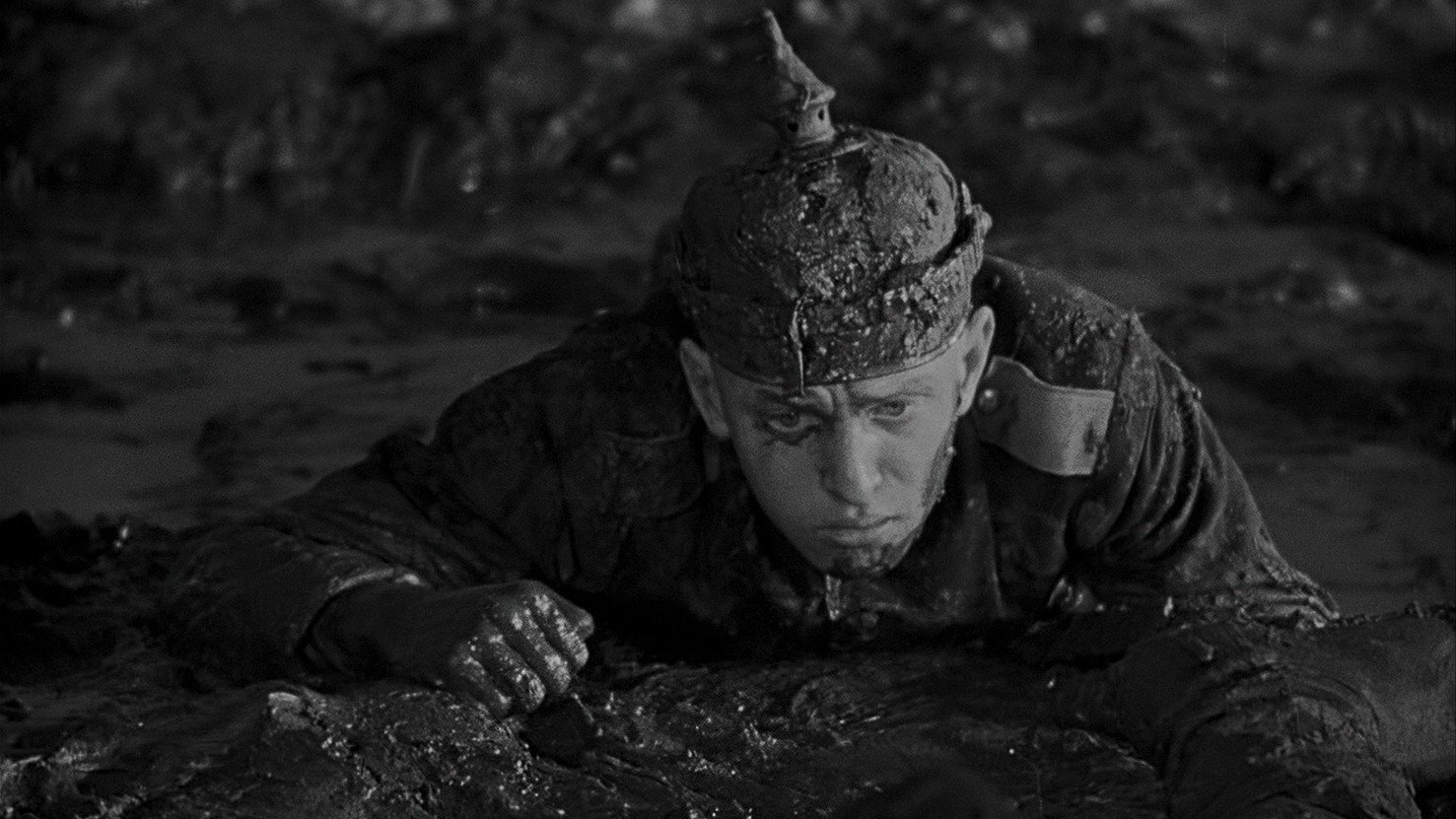
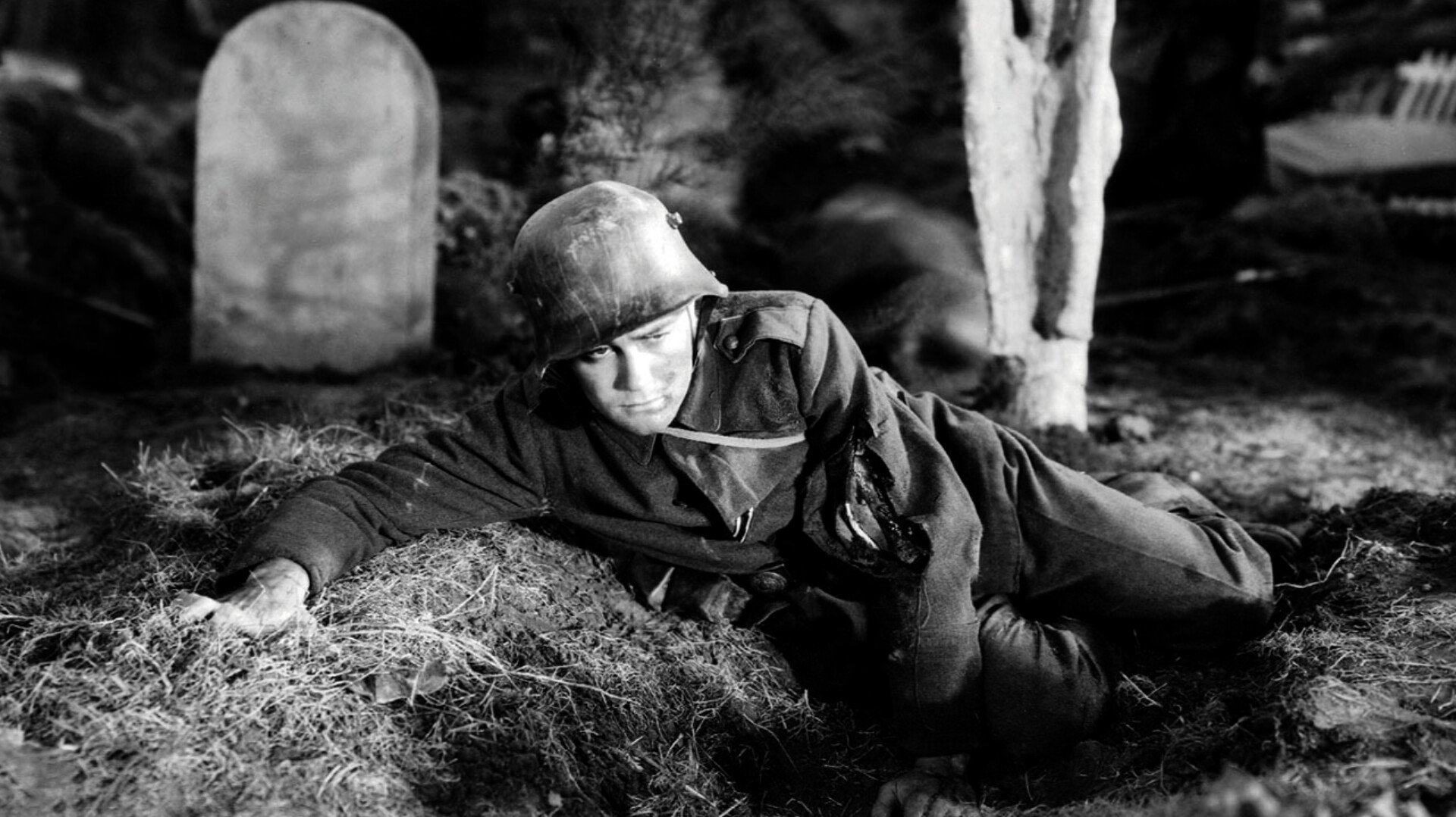
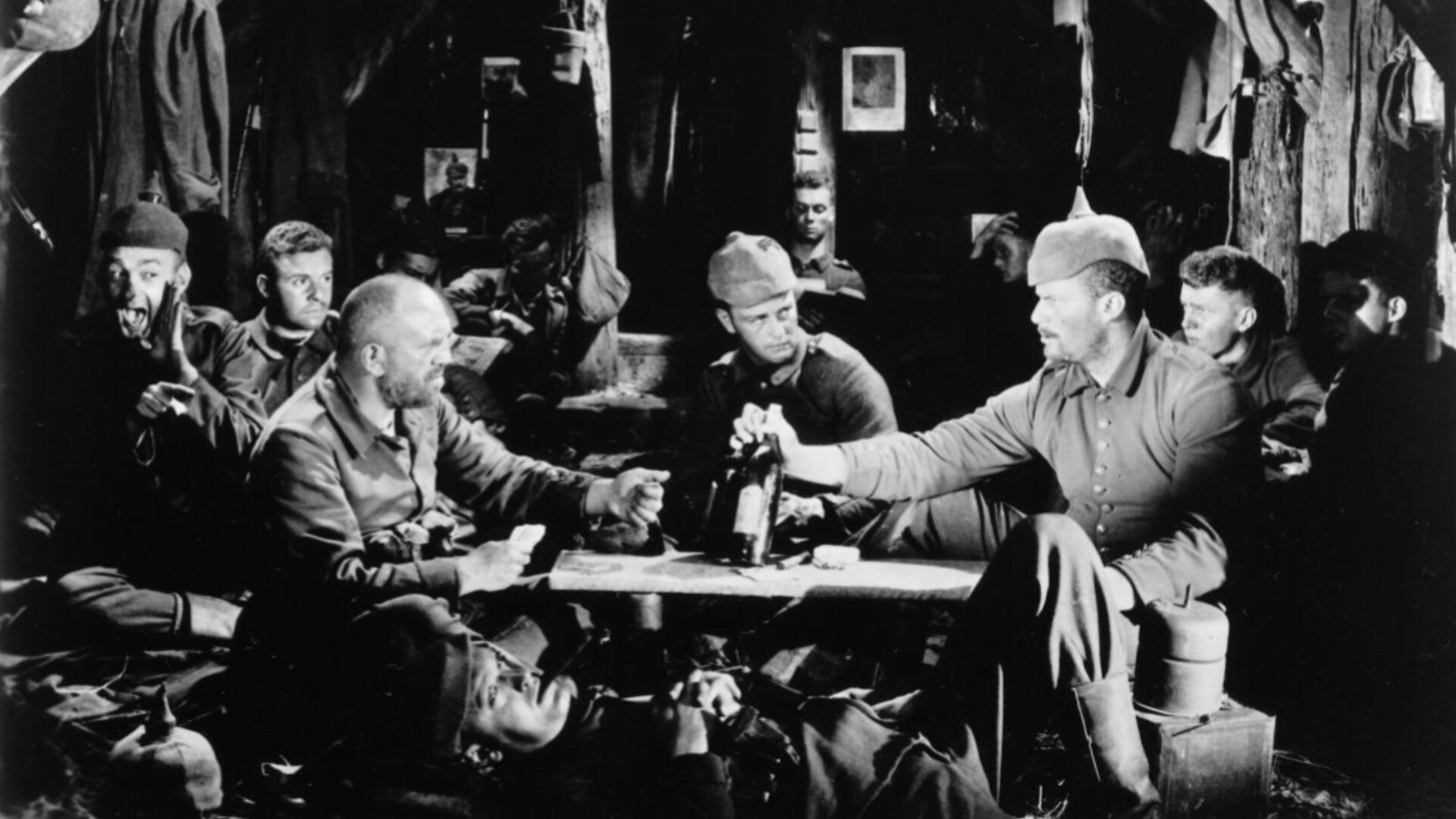
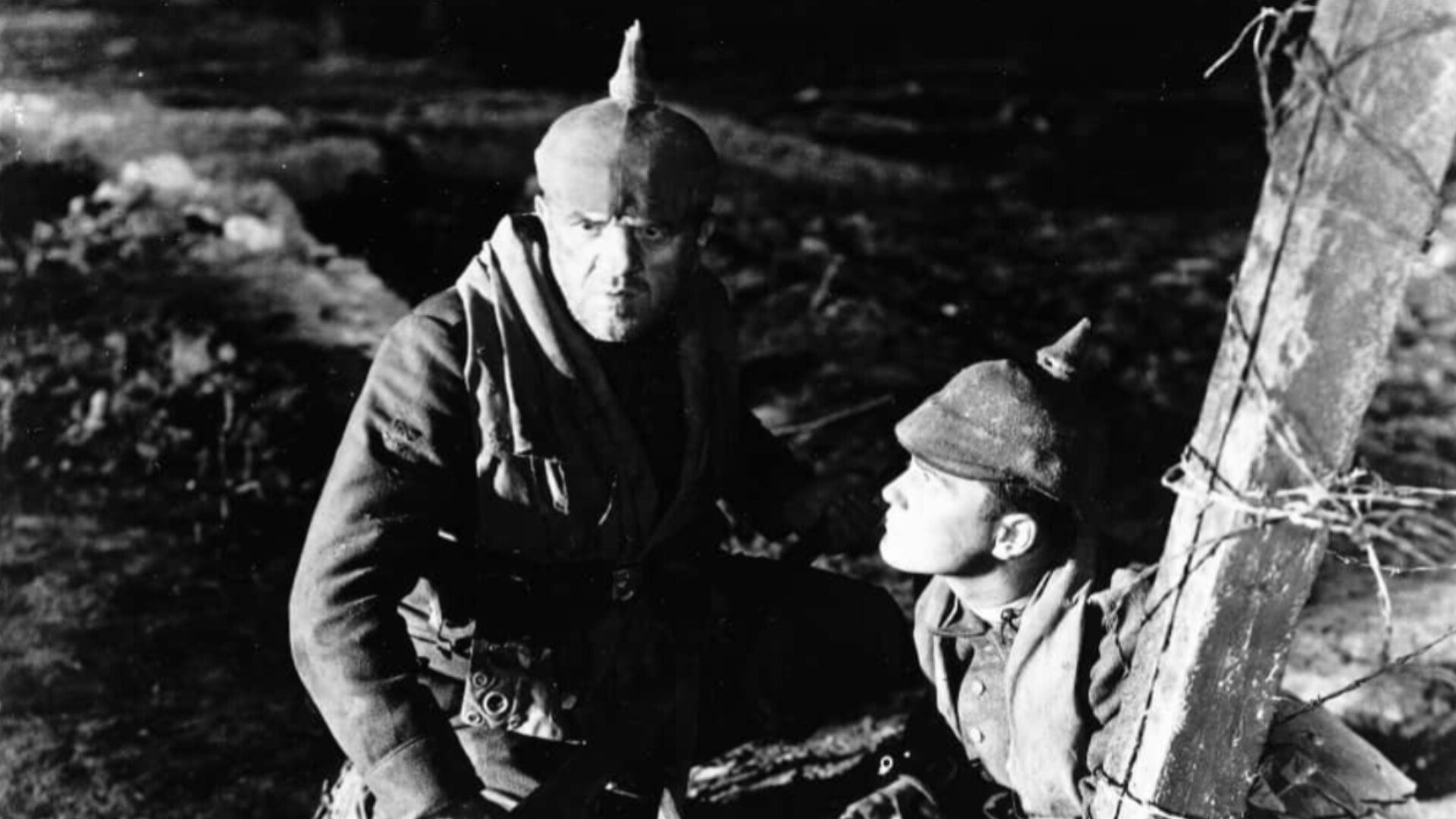
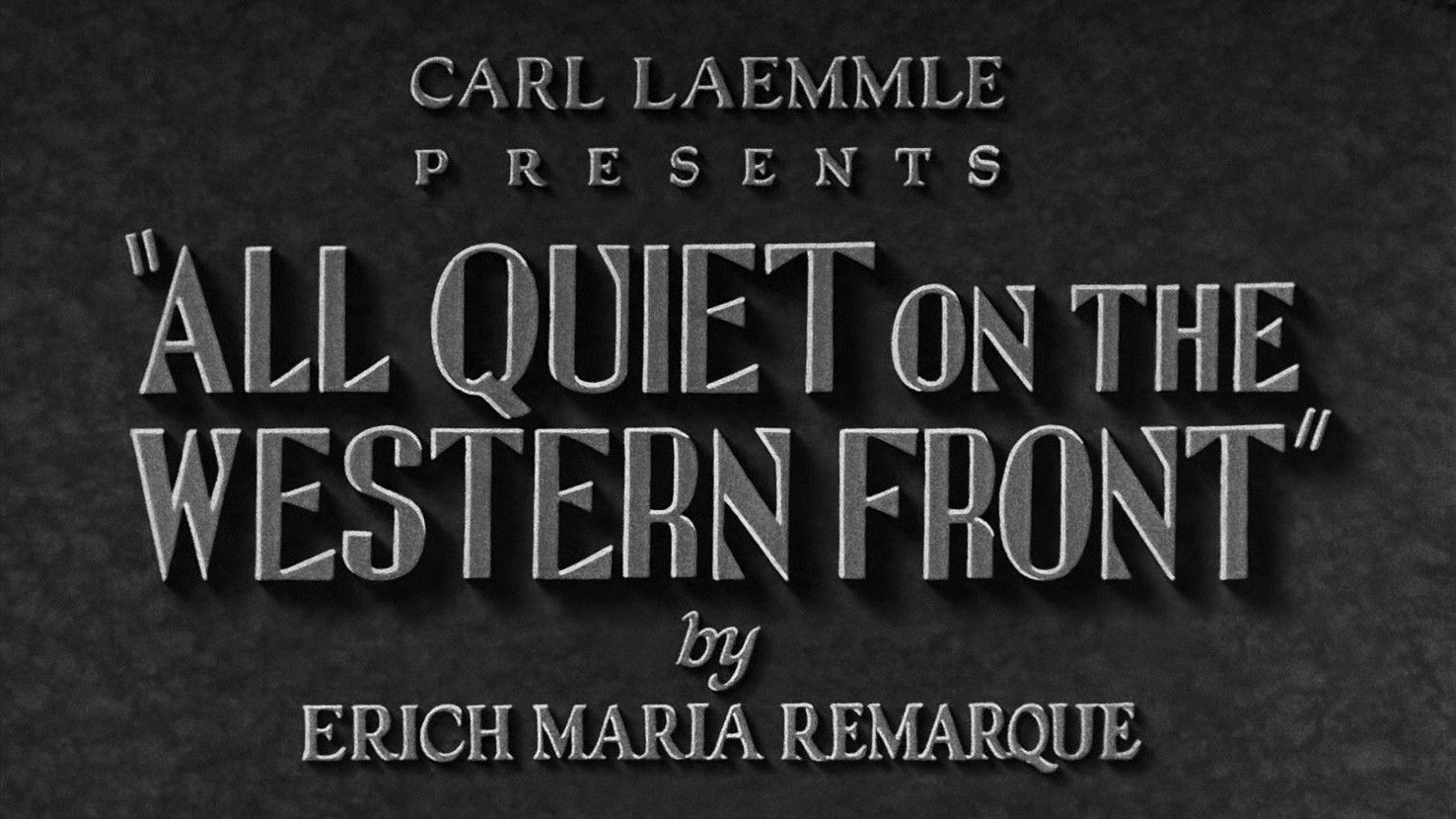
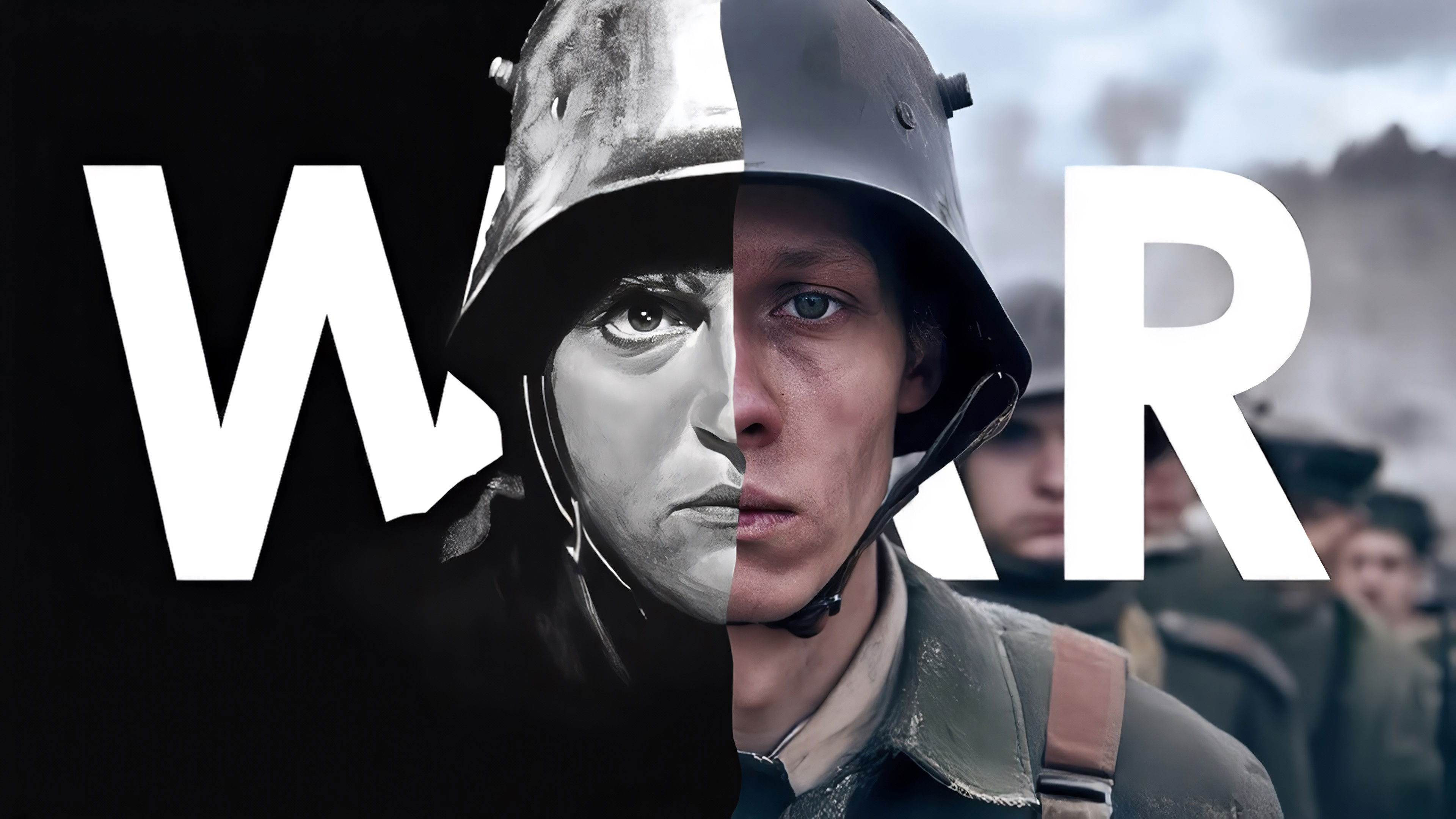
The story follows a group of inexperienced young German soldiers whose tales, beginning with great idealism during World War I, end in disappointment. The main character Paul Baumer, played by Lew Ayres, summarizes the film's theme with his line: "We live in the trenches and fight. We try not to die; that's all we do." Unlike many films with quickly outdated messages, the impact of this adaptation of Erich Maria Remarque's anti-war novel has not diminished even years later. Lewis Milestone's measured, simple, and deeply affecting work remained banned in many countries for years.
Overview
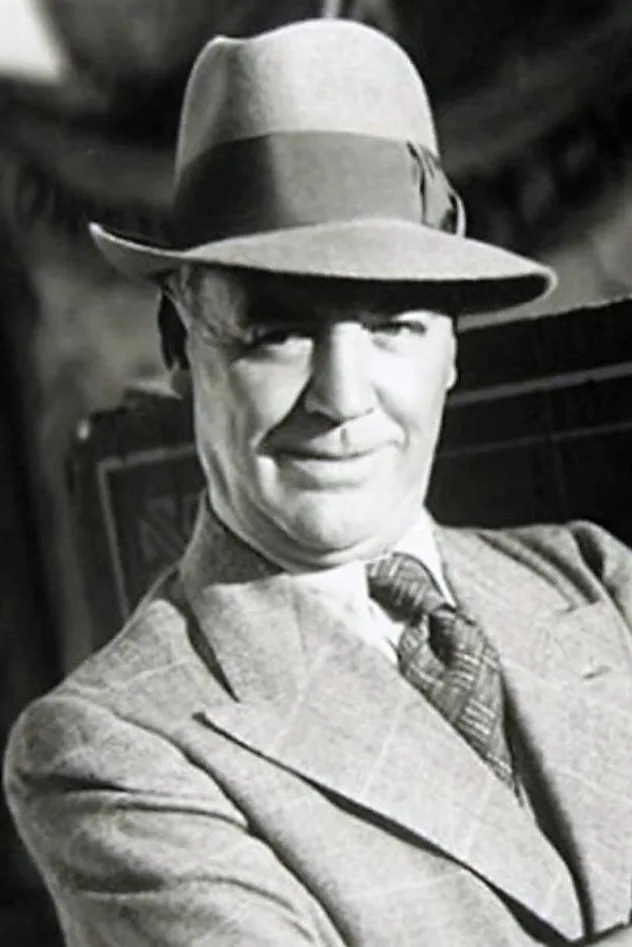
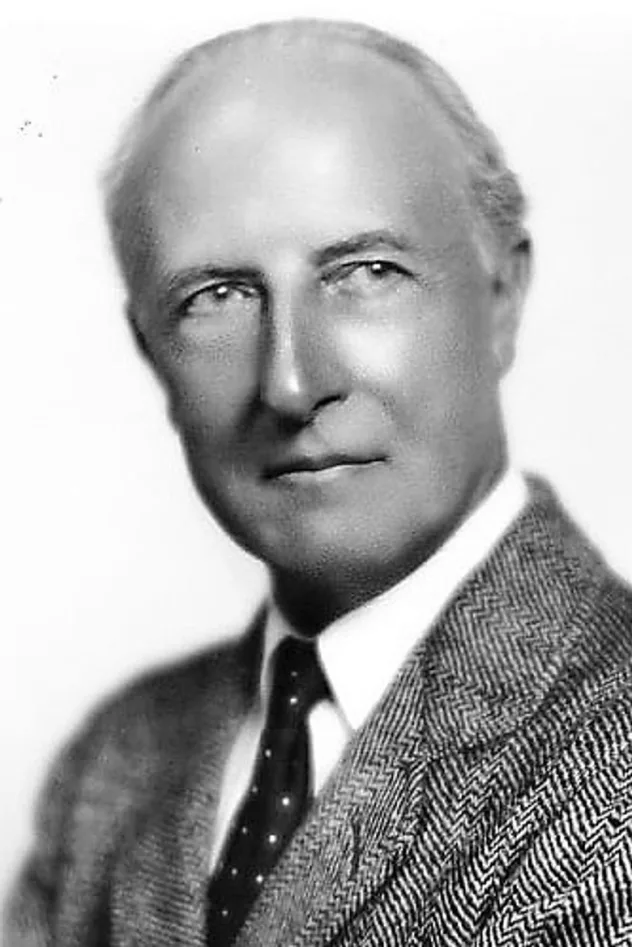
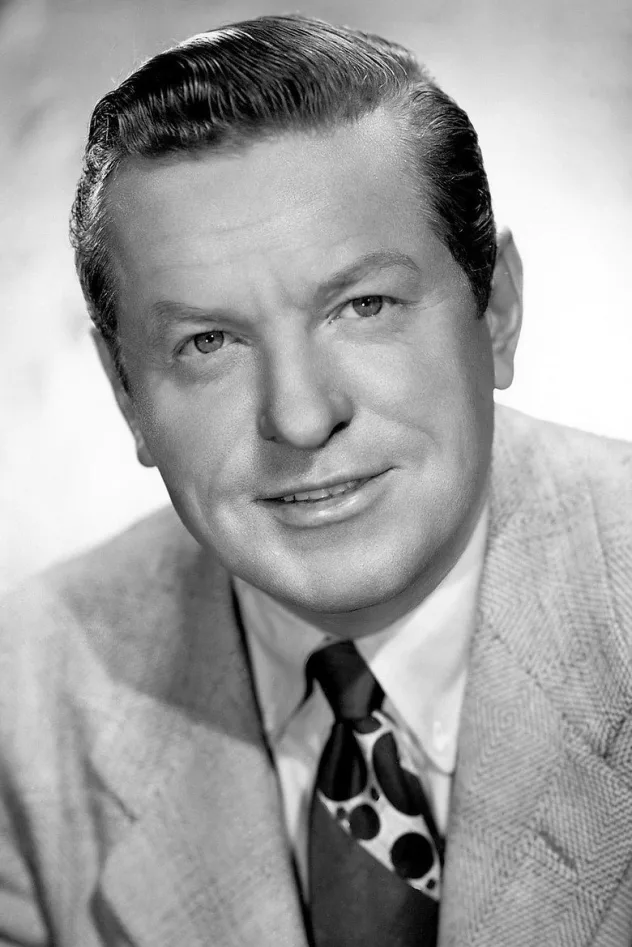
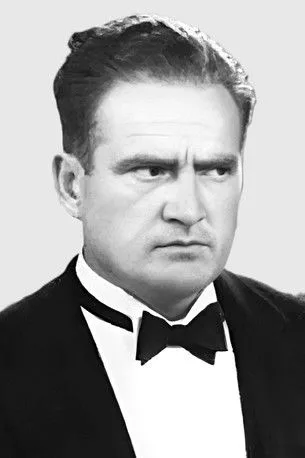
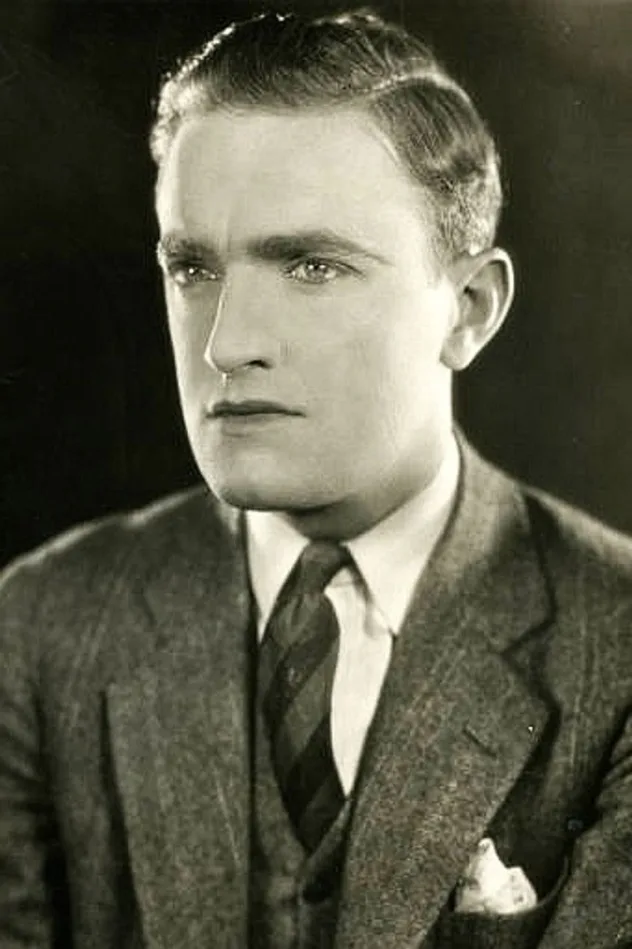
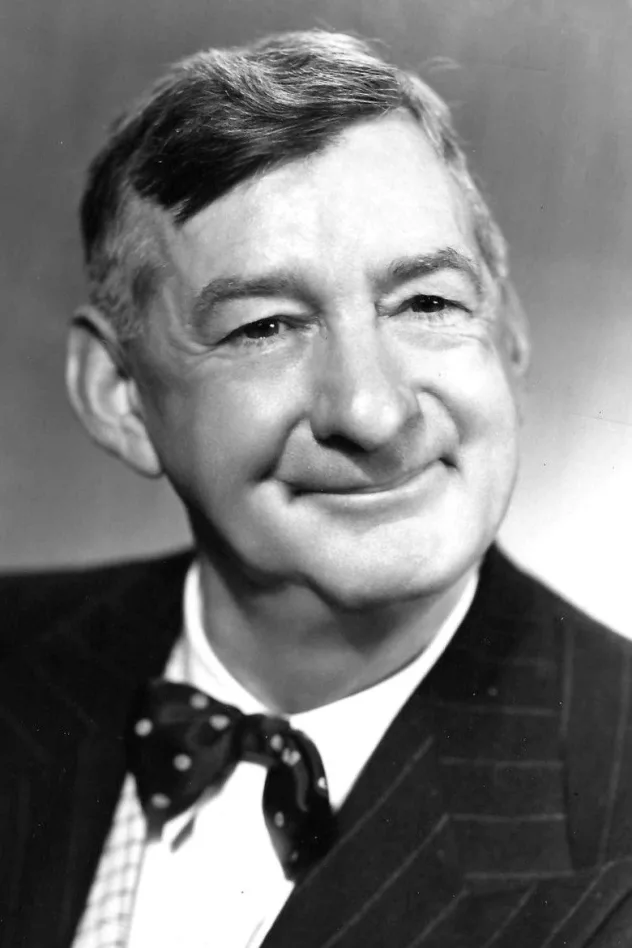
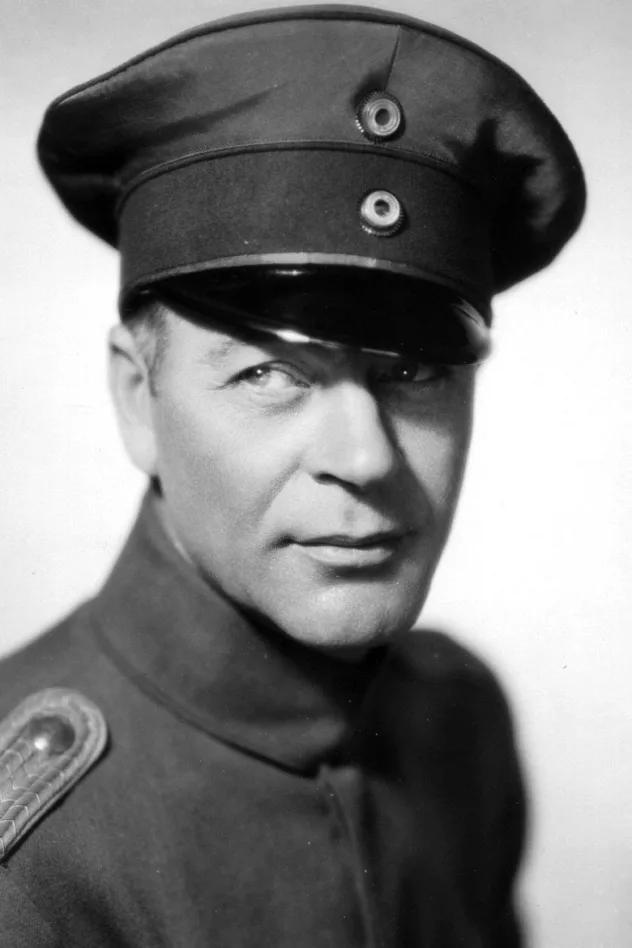
All Quiet on the Western Front (1930) is a drama film adapted from the anti-war novel by renowned author Erich Maria Remarque, showcasing the horrors of war. Directed by Lewis Milestone, this film premiered in 1930. The talented cast includes Lew Ayres, Louis Wolheim, John Wray, Arnold Lucy, and Ben Alexander. The film focuses on young German soldiers confronting the brutal realities of war during the pre-World War II era.
The story is told through the eyes of inexperienced young soldier Paul Baumer (Lew Ayres), depicting his journey that begins with an idealistic view of war but turns into disillusionment. The young men, initially romanticizing war, find themselves in a struggle for survival in the trenches. Paul’s quote, “We live in the trenches and fight. We try not to die; that’s all we do,” encapsulates the film's main theme. Rather than glorifying war, the film reveals the destruction and psychological collapse it brings. Therefore, All Quiet on the Western Front offers an experience that provokes deep thoughts in its audience.
Lewis Milestone adopts a remarkably restrained and straightforward narrative style in this film. By realistically portraying the horrific face of war without exaggeration, Milestone ensures that the audience is emotionally affected. The performances are also noteworthy. Lew Ayres conveys the depth of the Paul Baumer character, making the audience feel the weight of war and loss. Louis Wolheim successfully reflects the impact of war on the human spirit with a tough and realistic character. The other actors contribute to the atmosphere of this drama, enriching the film.
All Quiet on the Western Front not only tells the story of the war of its time but also engages in a profound inquiry into the human condition. The film contains powerful messages that remain relevant even years later. This work, which stands against the destructiveness of war, provides the audience with a chance to establish deep empathy. For this reason, it occupies a unique place among war-themed films and truly deserves to be watched. Lewis Milestone’s significant work offers viewers an opportunity to question the real face of war and its effects on the human spirit.
In conclusion, All Quiet on the Western Front is an important work that goes beyond being just a war film, encompassing the pains of humanity and inquiries about war. The film is definitely a must-watch due to its historical perspective and its handling of universal themes. If you are interested in war films, do not miss watching All Quiet on the Western Front. With its anti-war messages and compelling narrative, this film ranks among the unforgettable classics of cinema history.
Why Watch?
STRONG POINTS: It strikingly addresses the deep effects of war on the human spirit. It offers an impressive experience in terms of visual storytelling and cinematography. It provokes deep thoughts in the audience while staying true to historical realities.
WHO IT APPEALS TO: It appeals to viewers who enjoy films about history and war, and those interested in in-depth emotional stories.
EXPECTATION MANAGEMENT: It may not be suitable for viewers looking for fast action and entertainment.
Frequently Asked Questions
What is the plot of All Quiet on the Western Front?
The film depicts the experiences of young German soldiers on the front lines during World War I and the horrors of war. It showcases how the main character Paul Bäumer and his friends cope with the destruction and losses brought by war.
Is All Quiet on the Western Front based on a true story?
Yes, the film is adapted from the novel of the same name by Erich Maria Remarque, inspired by the author's own war experiences. Therefore, it is based on real events and emotions.
Where can I watch All Quiet on the Western Front?
The film is available on various digital platforms and some television channels. It may also be featured in special screenings or cinema events.
How long is All Quiet on the Western Front?
The film has a runtime of 133 minutes.
What does the ending of All Quiet on the Western Front mean?
The ending of the film is a profound reflection on the losses and senselessness brought by war. The tragedy experienced by the main character emphasizes the devastating effects of war on human life.
What year was All Quiet on the Western Front released?
The film was released in 1930.
Is All Quiet on the Western Front worth watching?
Yes, the film is worth watching for its in-depth exploration of the true face of war and human psychology. With its cinematic storytelling and powerful messages, it stands among the classics.