


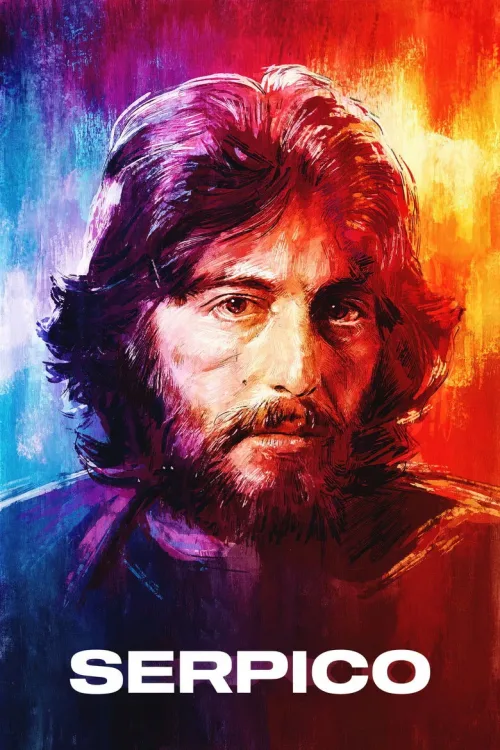


Michail "Mikis" Theodorakis (Greek: Μιχαήλ "Μίκης" Θεοδωράκης,29 July 1925 – 2 September 2021) was a Greek composer and lyricist credited with over 1,000 works. He scored for the films Zorba the Greek (1964), Z (1969), and Serpico (1973). He was a three time BAFTA nominee, winning for Z. For the score in the movie Serpico (1973), he earned Grammy nominations. Furthermore, for the unforgettable score to Zorba the Greek (1964), with its ‘Zorba’s Dance’, he was Golden Globe nominated. He composed the "Mauthausen Trilogy", also known as "The Ballad of Mauthausen", which has been described as the "most beautiful musical work ever written about the Holocaust" and possibly his best work.Up until his death, he was viewed as Greece's best-known living composer. He was awarded the Lenin Peace Prize. Politically, he was associated with the left because of his long-standing ties to the Communist Party of Greece (KKE). He was an MP for the KKE from 1981 to 1990. Despite this however, he ran as an independent candidate within the centre-right New Democracy party in 1989, in order for the country to emerge from the political crisis that had been created due to the numerous scandals of the government of Andreas Papandreou. He helped establish a large coalition between conservatives, socialists and leftists. In 1990 he was elected to the parliament (as in 1964 and 1981), became a government minister under Konstantinos Mitsotakis, and fought against drugs and terrorism and for culture, education and better relations between Greece and Turkey. He continued to speak out in favour of leftist causes, Greek–Turkish–Cypriot relations, and against the War in Iraq. He was a key voice against the 1967–1974 Greek junta, which imprisoned him and banned his songs.
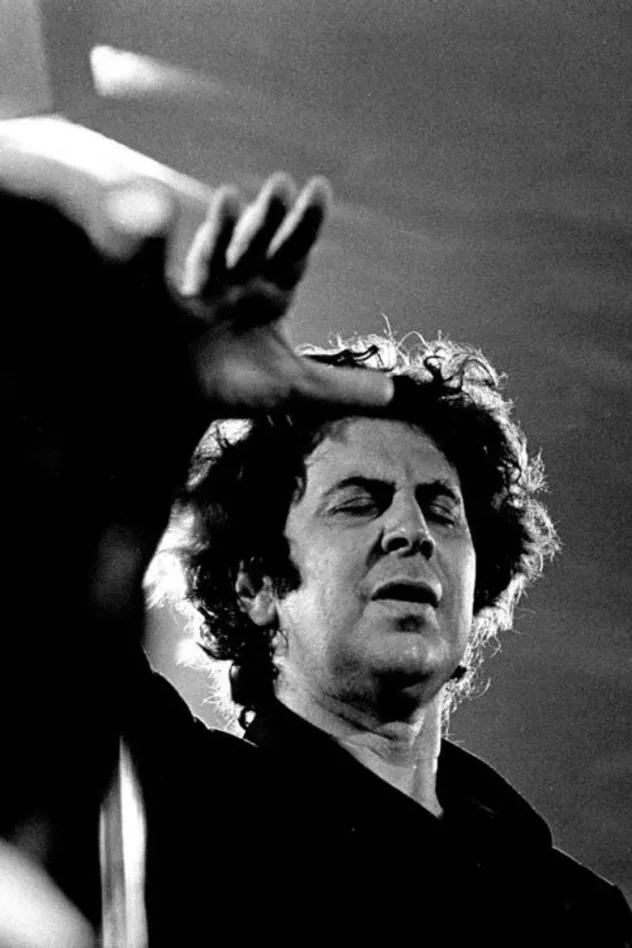
Míkis Theodorakis
Μίκης Θεοδωράκης
ممثل
Michail "Mikis" Theodorakis (Greek: Μιχαήλ "Μίκης" Θεοδωράκης,29 July 1925 – 2 September 2021) was a Greek composer and lyricist credited with over 1,000 works. He scored for the films Zorba the Greek (1964), Z (1969), and Serpico (1973). He was a three time BAFTA nominee, winning for Z. For the score in the movie Serpico (1973), he earned Grammy nominations. Furthermore, for the unforgettable score to Zorba the Greek (1964), with its ‘Zorba’s Dance’, he was Golden Globe nominated. He composed the "Mauthausen Trilogy", also known as "The Ballad of Mauthausen", which has been described as the "most beautiful musical work ever written about the Holocaust" and possibly his best work.Up until his death, he was viewed as Greece's best-known living composer. He was awarded the Lenin Peace Prize. Politically, he was associated with the left because of his long-standing ties to the Communist Party of Greece (KKE). He was an MP for the KKE from 1981 to 1990. Despite this however, he ran as an independent candidate within the centre-right New Democracy party in 1989, in order for the country to emerge from the political crisis that had been created due to the numerous scandals of the government of Andreas Papandreou. He helped establish a large coalition between conservatives, socialists and leftists. In 1990 he was elected to the parliament (as in 1964 and 1981), became a government minister under Konstantinos Mitsotakis, and fought against drugs and terrorism and for culture, education and better relations between Greece and Turkey. He continued to speak out in favour of leftist causes, Greek–Turkish–Cypriot relations, and against the War in Iraq. He was a key voice against the 1967–1974 Greek junta, which imprisoned him and banned his songs.
- 5فيلم
- 2مسلسل
- 1964بداية المسيرة


